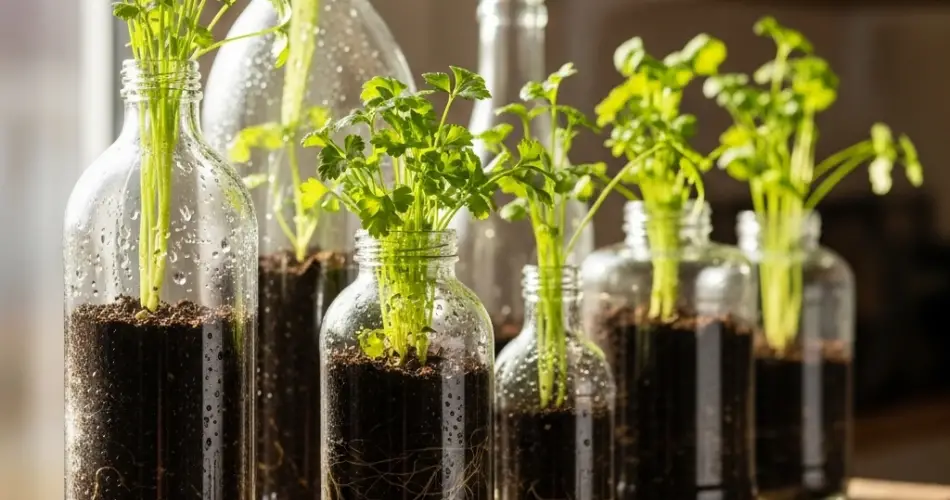
Parsley is one of the most versatile and widely used herbs in kitchens around the world. Whether sprinkled fresh over roasted vegetables, mixed into sauces, or used as a garnish, it adds a refreshing flavor and vibrant green color to meals. Many home cooks like to keep it close at hand, but not everyone has the outdoor space for a traditional herb garden. That’s where bottled planters come in. By using recycled plastic bottles, you can create a vertical parsley garden right on your wall—saving space while keeping your kitchen supplied with fresh herbs year-round.
This method is not only practical but also sustainable, as it turns everyday waste into useful gardening tools. Below, you’ll learn how to set up your own wall-mounted parsley garden using bottles, along with care tips to ensure healthy growth.
Why Grow Parsley in Bottled Planters?
Growing parsley vertically on a wall with bottled planters comes with multiple advantages:
-
Space-Saving Solution: Perfect for small apartments, balconies, or kitchens with limited counter space.
-
Eco-Friendly: Plastic bottles that would otherwise be discarded get a second life as planters.
-
Easy Access: Having parsley growing on your wall means fresh herbs are always within reach.
-
Decorative Touch: A wall covered in green parsley brings freshness and natural beauty indoors.
This gardening approach is especially useful for those who want a productive herb garden but have little to no outdoor land.
Choosing the Right Bottles and Setup
Start with sturdy plastic bottles, ideally 1.5- or 2-liter soda bottles. They’re large enough to provide root space yet easy to cut and mount. You can use them in two main ways:
-
Horizontal Planters: Cut out a rectangle on one side of the bottle, leaving the top and bottom intact. This allows space for soil and plants while the bottle rests horizontally.
-
Vertical Planters: Cut off the top portion, then use the bottom section as a pot. These can be mounted upright on a wall.
Make drainage holes at the bottom of each bottle to prevent waterlogging. A healthy root system depends on good drainage, so this step is essential.
For the wall mount, you can use wooden frames, metal grids, or even simply attach bottles with strong hooks or ropes. Ensure the bottles are secured firmly so they can support the weight of soil and plants.
Preparing Soil and Planting
Parsley thrives in nutrient-rich, well-draining soil. A good mix includes:
-
Potting soil (for structure)
-
Compost (for organic nutrients)
-
Perlite or sand (to improve drainage)
Fill each bottle planter about three-quarters full with this soil mix.
You can grow parsley either from seeds or young seedlings. If starting from seed, soak them overnight before planting, as parsley seeds have a tough outer shell that benefits from softening. Plant seeds about half an inch deep, and keep the soil moist until germination, which may take 2–4 weeks.
If using seedlings, transplant them gently into the prepared bottles, ensuring the roots are well covered.
Light and Water Requirements
Parsley needs at least 5–6 hours of sunlight daily. Place your bottled planters on a wall that receives sufficient natural light, such as a balcony wall or near a south-facing window. If light is limited indoors, supplement with a small grow light.
Water regularly to keep the soil moist but not soggy. Because plastic bottles are smaller than regular pots, they dry out more quickly. Check the soil often and water when the top feels dry. However, be cautious—overwatering can cause root rot.
Fertilizing for Healthy Growth
To keep parsley thriving, feed it with a balanced liquid fertilizer every 3–4 weeks. Organic options, such as compost tea or fish emulsion, work particularly well in small container setups. Fertilizing ensures steady growth and continuous leaf production.
Harvesting Parsley from Bottled Planters
The best way to harvest parsley is to cut stems from the outer edges, leaving the inner stems to continue growing. This method encourages new shoots and ensures a continuous harvest. Avoid cutting more than one-third of the plant at once, as this can slow regrowth.
Regular harvesting not only keeps the plant producing but also prevents it from becoming too tall or leggy.
Keeping Your Wall Garden Thriving
Here are a few extra tips for success:
-
Rotate bottles occasionally so all sides of the plant receive light.
-
Trim any yellow or wilted leaves to maintain plant health.
-
Refresh the soil every few months to prevent nutrient depletion.
-
During colder months, move the planters indoors or closer to a heat source if temperatures drop significantly.
Benefits Beyond Cooking
Aside from supplying fresh herbs, parsley grown in bottled planters adds charm to your home. The wall of greenery acts as a natural decoration and can even improve air quality indoors. Plus, growing your own herbs reduces packaging waste from store-bought parsley.
Final Thoughts
Creating a parsley wall garden with bottled planters is an affordable, sustainable, and practical way to enjoy fresh herbs every day. It requires little space, minimal tools, and just a bit of care. Whether you’re cooking soups, stews, or garnishing meals, having parsley growing within arm’s reach is both convenient and satisfying.
By combining creativity with eco-friendly practices, you can transform unused wall space into a productive and beautiful mini-garden. With bottled planters, fresh parsley will always be available to brighten your dishes—and your home.


