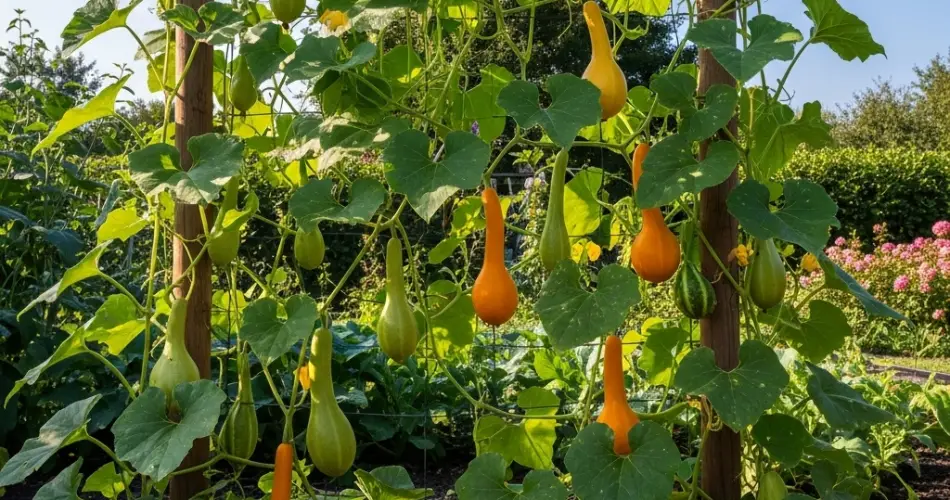
Craft gourds, with their fascinating shapes and hard shells, have been used for centuries as natural materials for art, containers, and decorative projects. From birdhouses and bowls to intricate carvings, these gourds are prized not only for their utility but also for their natural beauty. Growing them at home can be incredibly rewarding, but their vigorous vines and sometimes bulky fruits present unique challenges in the garden.
Without support, gourd vines sprawl across the ground, taking up valuable space and leaving fruits vulnerable to pests, rot, and uneven growth. This is where rustic wooden supports come in. By training gourds vertically, gardeners can save space, improve fruit quality, and add a charming, old-world touch to their growing spaces.
Why Use Wooden Supports for Gourds?
Gourds are not light crops. Their vines grow aggressively, and the fruits, depending on the variety, can become quite heavy. Wooden supports provide a natural, sustainable, and effective way to guide these plants upward. Here are a few reasons why wooden supports are especially suited for craft gourds:
-
Strength and durability: Wooden posts and frames can withstand the weight of vigorous vines and maturing gourds.
-
Sustainability: Untreated or reclaimed wood can be repurposed, making supports environmentally friendly.
-
Rustic charm: The weathered look of wood adds beauty and character to the garden.
-
Adaptability: Wood can be fashioned into a wide range of support structures, from simple stakes to elaborate trellises.
Benefits of Growing Gourds Vertically
Training craft gourds to grow on wooden supports provides several practical advantages:
-
Healthier fruits: Elevated gourds avoid direct soil contact, reducing rot and pest damage.
-
Space savings: Vertical growing frees up ground space for other crops or flowers.
-
Improved airflow: Upright plants dry more quickly after rain, lowering the risk of mildew.
-
Cleaner harvests: Fruits hanging from supports are smoother and less blemished, making them better for crafts.
-
Ease of harvest: Hanging gourds are easier to see, pick, and cure.
Types of Rustic Wooden Supports for Craft Gourds
1. Simple Wooden Stakes
Stakes are the most straightforward option. Drive sturdy wooden poles into the soil near each plant and tie vines as they grow.
-
Best for: Small gardens or lighter gourd varieties.
-
Tip: Use hardwood stakes at least 6–7 feet tall for reliable support.
2. A-Frame Wooden Trellises
Two slanted wooden frames joined at the top form a strong A-frame. Gourds climb both sides, and fruits dangle in the open space beneath.
-
Best for: Larger gardens and heavier gourd types.
-
Tip: Reinforce the top joint with bolts or metal brackets for extra strength.
3. Rustic Teepee Structures
Arrange long wooden poles in a cone-shaped teepee, tying them securely at the top. Plant gourds at the base, and the vines will naturally climb.
-
Best for: Raised beds or small clusters of gourd plants.
-
Tip: Teepees can double as decorative features in the garden.
4. Overhead Wooden Arbors
Sturdy posts with crossbeams form an overhead arbor. Gourds grow up the sides and hang dramatically from above, creating a tunnel effect.
-
Best for: Larger gardens, pathways, or ornamental growing spaces.
-
Tip: Use thick beams to handle the combined weight of vines and multiple gourds.
5. Rustic Branch Frames
For an eco-friendly option, use thick pruned branches tied together to create a frame. These supports add an organic, handcrafted touch to the garden.
-
Best for: Gardeners aiming for sustainability and rustic aesthetics.
-
Tip: Use hardwood branches that won’t snap easily under pressure.
How to Train Gourds on Wooden Supports
-
Install supports early: Place structures in the garden before planting to avoid root disturbance later.
-
Plant seedlings at the base: Space them 2–3 feet apart, depending on variety.
-
Guide vines upward: As shoots grow, weave them through the wooden slats or tie them gently with twine.
-
Support heavy fruits: Use fabric slings or net bags to cradle large gourds if needed.
-
Prune wisely: Removing excess growth channels more energy into developing strong, healthy gourds.
Care Tips for Craft Gourds
-
Soil enrichment: Amend with compost for vigorous growth.
-
Consistent watering: Keep soil moist, especially during flowering and fruiting.
-
Mulching: A layer of straw or leaves conserves moisture and suppresses weeds.
-
Pollination support: Gourds require pollination—encourage bees or hand-pollinate flowers for better yields.
-
Patience in harvest: Leave gourds on the vine until the shell hardens for best crafting quality.
Final Thoughts
Rustic wooden supports are both practical and beautiful in the garden. They provide the strength gourds need, protect fruits from damage, and help create smoother, cleaner harvests perfect for crafting. From simple stakes to elaborate arbors, wooden structures blend naturally with the landscape while enhancing productivity.
For gardeners growing craft gourds, these supports are more than just functional—they’re part of the charm and tradition of cultivating plants that have been used for centuries in homes and art. With the right wooden trellis or frame, you’ll not only grow healthier gourds but also add timeless character to your garden space.


