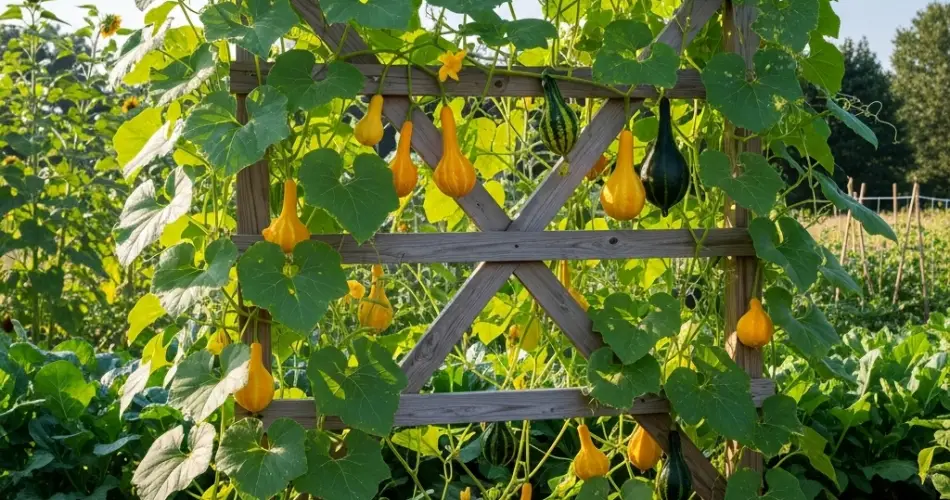
Gourds have fascinated gardeners for centuries, not only for their unique shapes and ornamental value but also for their practical uses as containers, décor, or crafts. While they’re a delight to grow, gourd vines can be notoriously vigorous, sprawling across large areas and consuming precious garden space. For those who want to enjoy their beauty without sacrificing the rest of the garden, metal grids provide an efficient and durable solution. By training gourds to grow vertically, gardeners can maximize space, improve plant health, and create visually striking garden displays.
Why Grow Gourds Vertically?
Left to their own devices, gourd vines spread far and wide, often tangling into dense mats that are difficult to manage. Growing them vertically on metal grids offers multiple advantages:
-
Space Saving: Vertical growth frees up ground space for other crops or flowers.
-
Cleaner Fruits: Gourds suspended above the soil are less prone to rot, insect damage, or discoloration.
-
Healthier Plants: Air circulation improves, reducing the risk of fungal diseases such as powdery mildew.
-
Easier Harvesting: Fruits hanging at eye level are simple to monitor and pick when ready.
-
Visual Appeal: A wall or frame covered in climbing vines and dangling gourds creates a living work of art.
For small gardens, patios, or urban spaces, vertical gardening transforms gourds from unruly sprawlers into manageable, productive climbers.
Why Choose Metal Grids?
While trellises can be made from many materials, metal grids stand out for their strength and longevity. Gourds, especially larger varieties, can become surprisingly heavy. Wooden frames may weaken over time, and plastic supports can warp under pressure, but metal grids are built to last. Their advantages include:
-
Strength: Metal grids can support the weight of multiple gourds without bending.
-
Durability: Galvanized steel or powder-coated frames resist rust and endure weather conditions season after season.
-
Versatility: Available in panels, arches, or wall-mounted designs, metal grids adapt to various garden layouts.
-
Reusable: A one-time investment provides years of use with minimal upkeep.
For gardeners serious about growing gourds, metal grids are a practical and long-term solution.
Setting Up Metal Grids for Gourds
Proper installation ensures both the plants and the structure thrive together. Here’s how to get started:
-
Choose the Right Location: Gourds require full sun—at least 6–8 hours daily. Position grids against walls, fences, or as free-standing frames in sunny spots.
-
Install Securely: Anchor grids deeply into the soil or attach them firmly to a wall. Stability is essential as vines grow heavier over time.
-
Provide Climbing Surfaces: Gourds naturally send out tendrils that latch onto supports. A grid with openings 4–6 inches wide allows easy climbing and weaving.
-
Train Vines Early: Guide young shoots through the grid or tie them gently with soft garden ties to encourage upward growth.
Supporting Gourds on the Grid
While many small gourds can hang without assistance, larger varieties benefit from extra support:
-
Use Fabric Slings: Create hammocks from old t-shirts, netting, or mesh bags to cradle developing gourds.
-
Spread Weight Evenly: Distribute fruits across the grid to prevent overcrowding and reduce strain on individual vines.
-
Monitor Growth: Check ties and slings regularly to avoid constriction as vines and fruits expand.
These simple steps ensure that both vines and fruits remain healthy throughout the season.
Best Gourd Varieties for Vertical Growth
While nearly all gourds can be trained vertically, some are better suited to metal grids than others:
-
Bottle Gourds: Their elongated shapes hang neatly when suspended.
-
Birdhouse Gourds: Ideal for vertical systems, producing medium-sized fruits perfect for crafts.
-
Luffa Gourds: Lightweight and prolific, they climb vigorously and are easy to train.
-
Decorative Mini Gourds: Small, colorful varieties that grow in abundance and require minimal extra support.
Heavier gourds can also be grown on grids but may require more frequent monitoring and reinforcement.
Care and Maintenance of Vertical Gourds
Gourds on grids require consistent care for maximum productivity:
-
Watering: Provide deep, regular watering at the base of plants to encourage strong root development.
-
Fertilizing: Use a balanced fertilizer early on, then switch to one higher in potassium and phosphorus to encourage flowering and fruiting.
-
Pollination: Gourds rely on insects for pollination. If pollinator activity is low, consider hand-pollinating flowers to ensure fruit set.
-
Pruning: Trim back excess foliage to keep vines manageable and focus energy on fruit development.
Harvesting Gourds from Metal Grids
Harvest time depends on the gourd variety and intended use. Decorative gourds are usually picked when fully colored and firm, while hard-shelled types are left to mature on the vine until the skin hardens. Hanging from grids, gourds dry more evenly and are less likely to develop blemishes. Use sharp pruners to cut them from the vine, leaving a portion of stem attached to extend storage life.
Conclusion
Metal grids make growing gourds an enjoyable and manageable experience, even in smaller gardens. By training vines upward, gardeners save space, protect fruits, and create an eye-catching vertical display. Durable and versatile, metal grids withstand the weight and vigor of climbing gourds, providing reliable support season after season.
Whether you’re growing decorative minis, birdhouse gourds, or luffas, a well-placed metal grid transforms these sprawling vines into vertical masterpieces. With a bit of planning and care, your garden walls or frames can become living trellises adorned with dangling gourds—functional, beautiful, and endlessly rewarding.


