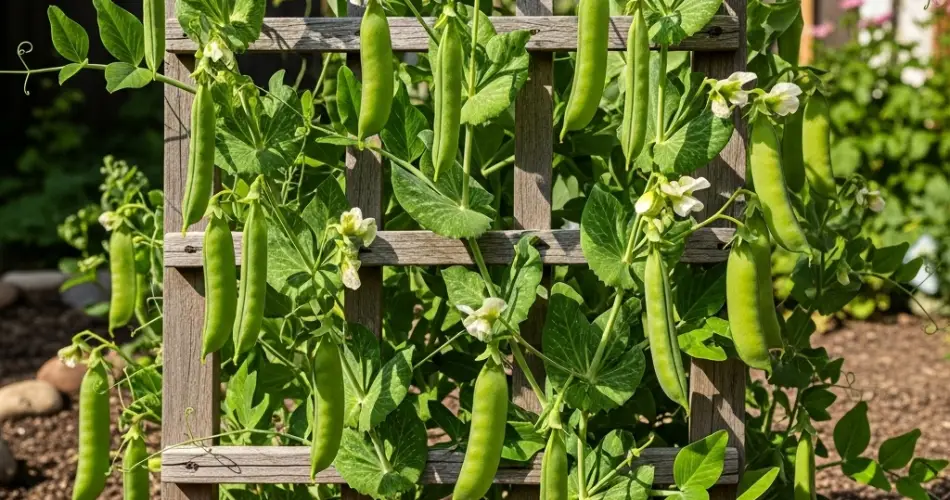
Garden peas are a timeless favorite among home gardeners. They are delicious, nutritious, and rewarding to grow, especially when harvested fresh and sweet from the vine. But like most climbing crops, peas need sturdy support to thrive. Without a trellis or frame, pea vines sprawl across the ground, where they are more vulnerable to pests, diseases, and moisture-related damage. A simple yet charming solution is to use rustic wooden frames. These not only provide the necessary structure for your peas but also add natural beauty and character to your garden.
Why Peas Need Support
Climbing peas naturally send out tendrils that grasp onto nearby structures. If none are available, they flop over, tangling into messy piles. Supporting peas with wooden frames ensures:
-
Healthy growth: Vertical support improves air circulation and reduces fungal diseases.
-
Better harvests: Pea pods hang clean and are easier to spot and pick.
-
Space efficiency: Growing upward frees valuable garden space for other crops.
-
Visual appeal: Trellised pea vines create a lush, green backdrop in the garden.
Advantages of Rustic Wooden Frames
While you can use metal grids or store-bought trellises, rustic wooden frames have their own unique charm and practicality:
-
Affordability: Often made from reclaimed wood, branches, or leftover lumber.
-
Eco-friendliness: Natural and biodegradable materials blend seamlessly into the garden.
-
Custom design: Frames can be built to fit any garden size or layout.
-
Rustic beauty: The handmade look enhances cottage-style and natural gardens.
Types of Rustic Wooden Frames for Peas
1. A-Frame Trellis
The A-frame is one of the simplest and most effective designs. It consists of two slanted wooden panels joined at the top to form a triangular shape.
Benefits:
-
Provides support on both sides for double rows of peas.
-
Easy to fold or dismantle after the growing season.
-
Very stable, even in windy conditions.
How to build:
-
Drive two rows of stakes into the soil at an angle, leaning toward each other.
-
Tie the tops together with twine or attach with nails.
-
Add cross beams or string between the frames for the peas to climb.
2. Rustic Teepee Frame
A teepee-style frame is both practical and attractive, especially in smaller gardens.
How it works:
-
Gather several long wooden poles or sturdy branches.
-
Push them into the soil in a circle and tie them securely at the top.
-
Plant peas around the base, and they will climb up each pole.
This design creates a natural cone of greenery and makes harvesting fun, as you can walk around and pick pods from every angle.
3. Flat Wooden Panel Trellis
If your garden borders a fence or wall, a flat wooden trellis panel is perfect.
Design features:
-
Construct a simple rectangular frame from wooden slats.
-
Add horizontal or crisscross slats to create a climbing grid.
-
Anchor it to the ground or lean it against a wall.
This style is great for saving space and creating a vertical green wall of pea vines.
4. Rustic Ladder Frame
For a quick and creative option, you can repurpose old ladders or build one from rough wooden poles.
Why it works well:
-
Peas climb up the rungs easily.
-
Easy to move around and adjust as needed.
-
Adds a charming farmhouse look to the garden.
5. Archway Frame
If you want something truly eye-catching, consider a rustic archway made from curved branches or bent saplings.
Advantages:
-
Creates a tunnel of greenery filled with pea pods.
-
Doubles as a decorative garden feature.
-
Provides shade for other small plants underneath.
Tips for Building and Maintaining Wooden Frames
-
Choose durable wood: Cedar, oak, or hardwood branches last longer outdoors.
-
Anchor firmly: Drive posts deep into the soil for stability.
-
Use natural ties: Twine or jute string fits the rustic theme and is biodegradable.
-
Protect the wood: Apply a non-toxic outdoor sealant if you want the frame to last several seasons.
-
Prune lightly: Guide pea vines up the structure and remove tangled shoots.
Caring for Peas on Wooden Frames
Supporting peas on rustic frames is only part of the process. To keep them thriving:
-
Water consistently: Peas prefer evenly moist soil but not waterlogged roots.
-
Fertilize sparingly: They fix their own nitrogen, so compost or light feeding is enough.
-
Harvest often: Picking pods regularly encourages the plant to produce more.
-
Rotate crops: Avoid planting peas in the same spot year after year to prevent soil-borne diseases.
Final Thoughts
Rustic wooden frames are a practical and charming way to grow climbing peas in the home garden. From simple A-frames to decorative arches, these DIY supports keep plants healthy, make harvesting easier, and bring a touch of cottage-garden beauty to your outdoor space. With just a few natural materials and some creativity, you can build frames that serve both functional and aesthetic purposes.
By encouraging your peas to climb upward, you’ll enjoy cleaner pods, bigger harvests, and a more organized garden—all supported by the rustic charm of wood.


