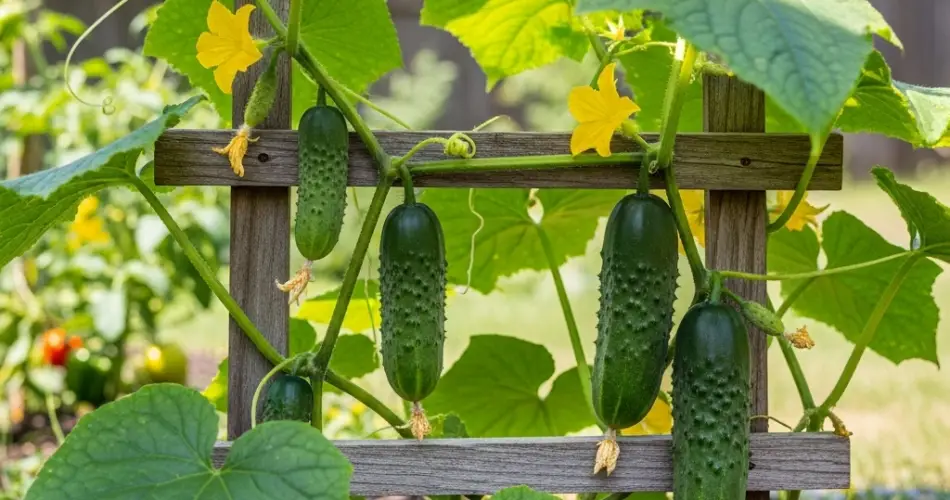
Growing fresh cucumbers doesn’t require sprawling garden beds or large backyards. With a little creativity, even a small balcony can become a productive green space. One of the most effective methods for balcony gardening is training cucumbers to climb a wall trellis. This vertical approach maximizes limited space, keeps plants healthy, and adds a refreshing touch of greenery to urban living. By combining the right setup with attentive care, balcony gardeners can enjoy crisp cucumbers all summer long.
Why Train Cucumbers on a Wall Trellis?
Cucumber plants are natural climbers, producing tendrils that grasp onto nearby supports. Without training, they sprawl across the ground, taking up valuable space and leaving fruits vulnerable to rot, pests, and disease. A wall trellis solves these problems while offering several key advantages:
-
Space Efficiency: Vertical growth makes the most of compact balconies.
-
Cleaner, Straighter Fruit: Cucumbers hang naturally, reducing deformities and soil contact.
-
Healthier Plants: Air circulation improves, lowering the risk of mildew and fungal infections.
-
Aesthetic Appeal: A wall covered in green vines doubles as a natural privacy screen and decorative element.
For city gardeners, wall trellises transform unused vertical space into productive garden real estate.
Choosing the Right Trellis for a Balcony
When selecting a wall trellis for balcony cucumbers, consider both strength and design. Mature cucumber plants can grow six to eight feet tall and bear heavy fruit, so flimsy supports will not hold up. Durable materials like treated wood, powder-coated metal, or galvanized wire are ideal.
A simple grid design or a lattice panel mounted securely to the balcony wall works well. It’s important to leave a few inches of space between the wall and trellis to promote airflow. For renters, portable freestanding trellises or foldable frames can provide flexibility without permanent installation.
Planting Cucumbers in Balcony Containers
Cucumbers thrive in containers when given the right soil and care. Choose a container that is at least 12 inches deep and wide, with good drainage holes. Fill it with nutrient-rich, well-draining soil blended with compost to encourage strong root development.
Select compact or vining cucumber varieties suited for container growing. Popular choices include Bush Champion, Spacemaster, and Patio Snacker. These types stay manageable in size while still producing a generous crop.
Seeds or seedlings should be planted near the base of the trellis, allowing the vines to climb naturally as they grow.
Training Cucumbers to Climb
Once the plants begin sending out vines, gently guide them toward the trellis. Use soft ties, clips, or twine to secure young shoots loosely until their tendrils take hold. Check growth every few days, repositioning or re-tying as needed to encourage upward climbing rather than outward sprawl.
Pruning side shoots can help maintain order and prevent overcrowding on the trellis. Removing excess foliage also directs more energy toward fruit production and keeps the balcony garden neat.
Balcony Care Tips for Cucumbers
Caring for cucumbers in containers on a balcony requires some attention to watering, feeding, and sun exposure.
-
Watering: Container soil dries out quickly, especially in warm weather. Cucumbers prefer consistent moisture, so water deeply when the top inch of soil feels dry. Avoid splashing water on leaves to reduce disease risks.
-
Fertilizing: Feed plants every two to three weeks with a balanced liquid fertilizer or compost tea. This supports vigorous vine growth and continuous fruiting.
-
Sunlight: Cucumbers need at least 6–8 hours of direct sunlight per day. Position containers where they receive the maximum light possible.
-
Pest Control: Balconies often reduce pest exposure, but aphids and spider mites may still appear. Regularly inspect vines and use gentle remedies, like neem oil or insecticidal soap, if needed.
Harvesting Balcony Cucumbers
One of the joys of growing cucumbers on a balcony is harvesting them fresh and within arm’s reach. Pick cucumbers when they are firm, evenly green, and of the desired size—usually six to eight inches long for most varieties. Harvesting frequently encourages plants to keep producing more fruit.
Because cucumbers do not continue ripening after picking, it’s best to taste-test one before harvesting large quantities to ensure peak flavor.
The Charm of Balcony Trellis Gardening
Beyond the practical benefits, training cucumbers on a wall trellis adds charm to any balcony. The lush green vines soften the appearance of concrete walls and railings, while the dangling fruit adds visual interest. This living wall of cucumbers can also provide privacy and shade, making the balcony a more enjoyable retreat.
For apartment dwellers or anyone with limited outdoor space, wall trellis gardening proves that fresh, homegrown food is still possible. With thoughtful planning and consistent care, even a modest balcony can yield baskets of crisp cucumbers throughout the season.
Conclusion
Balcony cucumbers grown with wall trellis training combine beauty, efficiency, and productivity. By going vertical, gardeners make the most of limited space while keeping plants healthier and harvests more abundant. With the right trellis, good soil, and regular care, fresh cucumbers can thrive in even the smallest urban settings.
This method not only brings homegrown food to the table but also transforms balconies into green, vibrant oases. For city gardeners, wall trellis training is the key to turning unused vertical space into a refreshing source of life and flavor.


