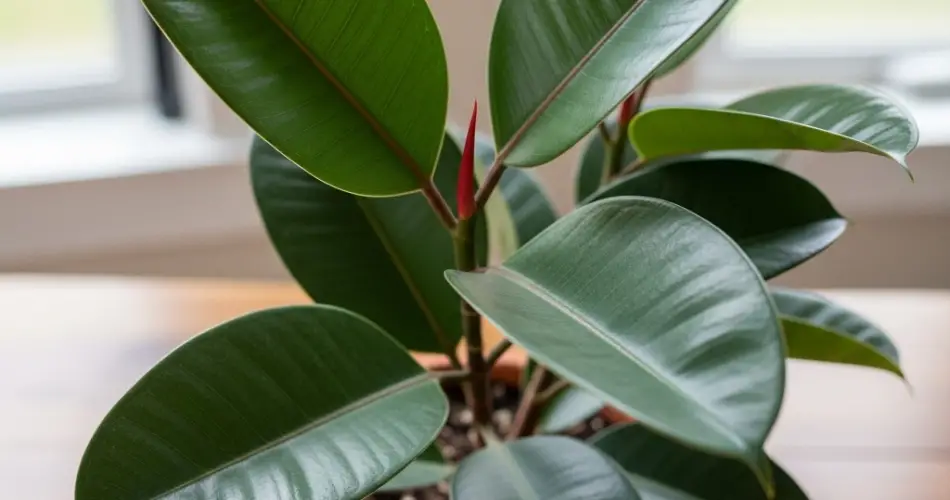
The rubber plant (Ficus elastica) is a striking houseplant, admired for its large, glossy leaves and upright growth. Its bold foliage can elevate any indoor space, but maintaining healthy, shiny leaves requires a little care. Dust accumulation, dullness, and occasional leaf damage are common issues, yet with proper techniques, your rubber plant can remain vibrant and attractive with minimal effort.
This guide covers essential tips for keeping your rubber plant leaves clean, glossy, and healthy.
Understanding Rubber Plant Foliage
Rubber plants are tropical evergreens, naturally adapted to warm, humid environments with filtered light. Their large leaves are not only ornamental but also functional, efficiently photosynthesizing to support plant growth. However, indoor conditions—dust, low humidity, and inconsistent light—can impact leaf health, making regular maintenance necessary.
Healthy leaves are deep green, firm, and glossy. Dull or dusty leaves reduce the plant’s ability to photosynthesize efficiently, slowing growth and affecting overall health.
Dusting Leaves
Dust accumulates quickly on the broad leaves of rubber plants, particularly in low-traffic or indoor spaces. Cleaning leaves regularly prevents blockages in sunlight absorption and enhances the plant’s appearance.
Techniques for Dusting
-
Soft cloth wiping: Gently wipe leaves with a damp, soft cloth, supporting the leaf with your other hand to avoid bending or damaging it.
-
Shower rinse: Place the plant in the sink or shower and rinse leaves with lukewarm water, allowing excess water to drain freely.
-
Compressed air or soft brush: For delicate areas or newly emerging leaves, a gentle brush or air blower can remove dust without physical contact.
Regular dusting—every few weeks—is sufficient to keep leaves clean and healthy.
Enhancing Leaf Shine
Many rubber plant owners enjoy glossy leaves, which can be enhanced naturally without chemical sprays.
-
Natural oils: Rubbing a small amount of natural oil (like coconut or olive oil) on the leaves’ surface can enhance shine, but use sparingly to avoid attracting dust.
-
Leaf-friendly sprays: Commercial leaf shine products exist, but they are not necessary for plant health. Overuse can clog pores and interfere with photosynthesis.
-
Proper lighting and care: Healthy leaves naturally develop a glossy sheen when the plant receives bright, indirect light, appropriate watering, and occasional fertilization.
Trimming and Pruning Leaves
Pruning is important to maintain shape, remove damaged foliage, and encourage robust growth.
When to Trim
-
Yellowing or browning leaves: Remove leaves at the base of the stem to prevent energy waste.
-
Damaged or torn leaves: Cut away damaged areas carefully using sterilized scissors or pruning shears.
-
Excess growth: Trim overly long or leggy branches to promote a balanced shape and encourage lateral growth.
How to Trim
-
Use clean, sharp scissors or pruning shears.
-
Cut leaves or stems at an angle just above a node or the main stem.
-
Avoid cutting too much at once; rubber plants respond better to gradual pruning.
Pruning also improves air circulation around leaves, reducing the risk of fungal infections and promoting overall plant health.
Additional Leaf Care Tips
-
Maintain humidity: Rubber plants prefer moderate humidity. Occasional misting or a humidity tray can prevent leaf tip browning.
-
Water properly: Allow the top inch of soil to dry between waterings. Overwatering can lead to yellowing leaves, while underwatering may cause leaf droop.
-
Rotate the plant: Turn the pot occasionally to ensure all leaves receive even light exposure, preventing uneven growth.
-
Inspect for pests: Check leaves regularly for pests like spider mites or scale, which can damage foliage. Wipe affected leaves with a damp cloth or treat with insecticidal soap if necessary.
Common Leaf Problems
-
Dust buildup: Leads to dull, pale leaves. Regular cleaning prevents this issue.
-
Brown tips: Often caused by low humidity, inconsistent watering, or temperature stress.
-
Yellowing leaves: Typically a sign of overwatering, poor drainage, or low light. Remove affected leaves and adjust care.
-
Leaf curl: Can indicate stress from environmental changes or pests. Ensure stable light, temperature, and humidity.
Conclusion
Caring for rubber plant leaves involves three key practices: dust removal, enhancing natural shine, and trimming damaged or leggy growth. With consistent but minimal care, these techniques keep the plant healthy, vibrant, and visually appealing. Regular attention to leaf health not only improves aesthetics but also supports efficient photosynthesis, encouraging robust growth and longevity.
By following these simple leaf care tips, your rubber plant will remain a striking centerpiece in your home, with glossy, lush foliage that adds elegance and greenery to any indoor space.


