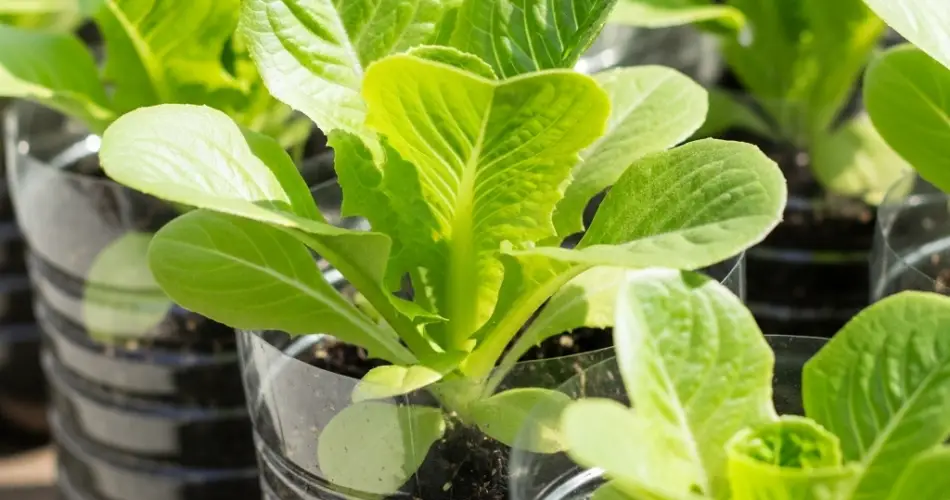
Growing lettuce indoors is not only a practical solution for those with limited outdoor space but also a great way to enjoy fresh, pesticide-free greens year-round. One of the most accessible and eco-friendly ways to get started is by reusing plastic bottles. These common household items can be transformed into productive mini gardens that sit on a sunny windowsill or shelf. Here’s how you can turn plastic waste into a thriving source of leafy greens.
Why Use Plastic Bottles?
Plastic bottles are lightweight, readily available, and easy to modify. Instead of throwing them away, repurposing them for indoor gardening helps reduce environmental waste and gives new life to something that would otherwise end up in a landfill. Lettuce, with its shallow roots and quick growth cycle, is an ideal plant for bottle gardening.
Choosing the Right Bottle
The most suitable bottles for growing lettuce are the standard 1.5- to 2-liter soda bottles. These offer enough space for root development without taking up too much room indoors. Make sure the bottle is clean and free from any sticky residues. Remove the label to allow light in, which helps discourage mold growth.
Preparing the Bottle Planter
Here’s how to prepare a plastic bottle for lettuce growing:
-
Cut the Bottle: Using a sharp knife or scissors, cut the bottle horizontally about one-third of the way from the top. You’ll end up with two parts: a funnel-shaped top and a deeper base.
-
Invert the Top: Flip the top portion upside-down and place it into the base like a funnel. This design helps with drainage while keeping the soil moist.
-
Create Drainage Holes: Poke small holes in the bottle cap to allow excess water to escape. This prevents root rot and ensures good air circulation in the root zone.
-
Add a Wicking System (Optional): For low-maintenance watering, you can insert a cotton string or strip of fabric through the cap to draw water from the bottom reservoir into the soil above.
Soil and Seeds
Use a lightweight potting mix that offers good drainage and aeration. Lettuce prefers a soil that is rich in organic matter but not overly dense. Avoid garden soil, which can be too heavy and may compact in a bottle setup.
Lettuce seeds come in many varieties, including romaine, butterhead, and loose-leaf types. Most varieties grow well indoors with adequate light and moisture. Choose a variety suited for small-scale growing if you have limited space.
Planting Lettuce in Bottles
Fill the inverted top part of the bottle with potting mix, leaving a little space at the top. Moisten the soil lightly before sowing the seeds.
-
Sprinkle 4–6 lettuce seeds on the surface.
-
Cover them with a thin layer of soil or vermiculite.
-
Gently mist the top to settle the seeds in place.
Keep the bottle in a warm, bright area, such as a windowsill with indirect light. Lettuce seeds typically germinate within 7–10 days.
Light Requirements
Lettuce needs at least 10–12 hours of light per day to grow strong and healthy. If natural light is limited, supplement with a small LED grow light. Keep the light 6–12 inches above the plants and adjust it as they grow taller.
Watering and Care
Check the soil moisture daily. It should remain consistently damp but not soggy. If you’re using a wick system, refill the reservoir every few days. If not, water the soil directly when it starts to dry out. Mist the surface to avoid washing away the delicate roots or compacting the soil.
As the seedlings grow, thin them out by snipping the weaker ones at the base. This gives the remaining plants enough space to develop fully.
Harvesting Lettuce Indoors
You can begin harvesting your lettuce in about 30–45 days, depending on the variety. Use clean scissors to snip off the outer leaves, leaving the inner core to continue producing. This method, called “cut-and-come-again,” allows for multiple harvests from the same plant.
Alternatively, harvest the entire plant once it reaches maturity and start a new crop in a fresh bottle.
Tips for Success
-
Keep the bottles clean to avoid mold or algae buildup.
-
Rotate the bottles regularly so all sides receive light evenly.
-
Use a tray or plate under the bottle to catch any overflow water.
Final Thoughts
Growing lettuce in plastic bottles is a practical and sustainable gardening solution, especially for urban dwellers and beginners. With minimal supplies and space, you can enjoy fresh, crisp greens right from your kitchen. It’s a smart way to recycle, save money, and eat healthier—all while adding a bit of green to your home.


