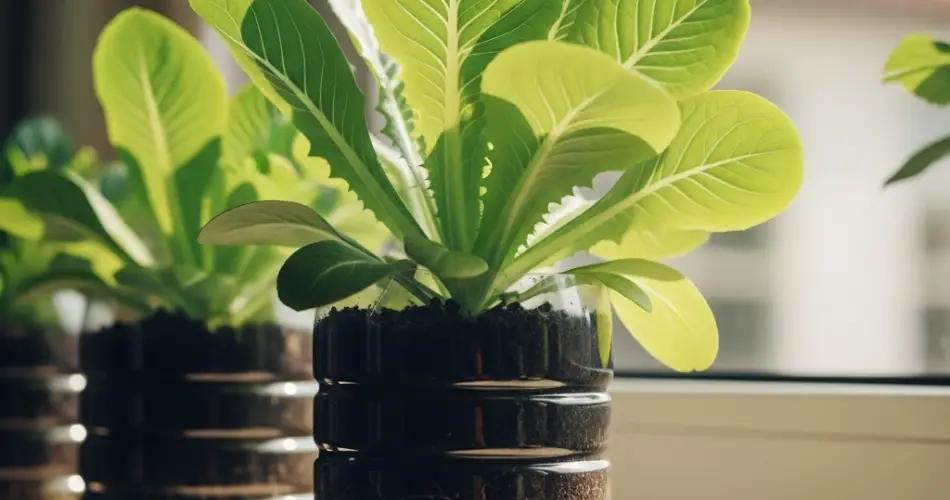
Urban gardening has seen a surge in popularity as more people look for sustainable ways to grow fresh produce in limited spaces. One of the most accessible and efficient ways to cultivate leafy greens like lettuce is by using recycled plastic bottles. This low-cost, space-saving method is perfect for balconies, windowsills, or even kitchen walls. Not only does it make use of discarded materials, but it also provides a constant supply of fresh lettuce for your meals.
Why Grow Lettuce in Bottles?
Lettuce is one of the easiest vegetables to grow. It thrives in cool conditions, grows quickly, and doesn’t require deep soil. Because of its shallow roots, it can be successfully cultivated in small containers, making it an ideal candidate for bottle gardening. Using bottles allows for vertical setups, maximizes space, and encourages water conservation through controlled irrigation.
Materials You’ll Need
To start growing lettuce in bottles, gather the following materials:
-
Empty plastic bottles (1.5 to 2 liters work best)
-
Sharp cutter or scissors
-
A small drill or heated nail (for making drainage holes)
-
Good-quality potting mix or a blend of compost and garden soil
-
Lettuce seeds (choose a variety suited to your climate)
-
Optional: jute rope, wire, or hooks for hanging
Preparing the Bottles
-
Clean and Cut: Wash the plastic bottles thoroughly to remove any residues. Then, cut an opening along one side of the bottle, wide enough to fill with soil and plant seeds, but leave enough structure for stability.
-
Drainage: Use a drill or a hot nail to poke several small holes at the bottom of the bottle to allow excess water to drain out. This is crucial to prevent root rot and keep the growing medium aerated.
-
Positioning: You can place the bottles horizontally on a shelf or hang them vertically on a wall using jute rope or hooks. For vertical hanging, cut small planting holes along the side of the bottle and keep the cap loosely closed to allow slow water drainage.
Filling and Sowing
-
Add Soil: Fill the bottle with potting mix, leaving about an inch of space from the top. A mix of cocopeat, compost, and a little garden soil works well for drainage and nutrient retention.
-
Sow Seeds: Sprinkle lettuce seeds on the surface and lightly cover them with a thin layer of soil. Lettuce seeds need light to germinate, so don’t bury them too deep.
-
Water Lightly: Use a spray bottle or watering can with a fine spout to moisten the soil without dislodging the seeds.
-
Germination: Place the bottles in a bright area but away from harsh direct sunlight. Lettuce seeds usually germinate within 5–10 days.
Caring for Your Lettuce
-
Light: Lettuce grows best with about 4 to 6 hours of indirect sunlight each day. In hotter climates, morning sun and afternoon shade are ideal.
-
Watering: Keep the soil consistently moist but not soggy. Since bottles dry out faster than ground soil, check the moisture daily.
-
Thinning: Once the seedlings are a couple of inches tall, thin them out to prevent overcrowding. Leave about 3–4 inches of space between plants.
-
Feeding: If using a basic potting mix, you can feed your plants with diluted liquid fertilizer every two weeks to encourage lush growth.
-
Pest Management: Check leaves regularly for aphids or snails. Use natural pest deterrents like neem oil or garlic spray if needed.
Harvesting Your Lettuce
Depending on the variety, lettuce is usually ready for harvest in 30 to 45 days. You can either cut the whole head at the base or snip outer leaves and let the inner leaves continue growing. This “cut and come again” method gives you multiple harvests from a single planting.
Benefits of Bottle Gardening
-
Saves Space: Perfect for apartments and small homes.
-
Reduces Waste: Reuses plastic bottles that might otherwise end up in landfills.
-
Easy Maintenance: Less weeding and pest issues compared to traditional beds.
-
Fresh Harvests: Enjoy pesticide-free, homegrown greens anytime.
Final Thoughts
Growing lettuce in bottles is a rewarding and eco-friendly way to embrace urban gardening. With minimal investment and effort, you can transform unused vertical spaces into productive mini-gardens. Whether you’re a beginner or a seasoned grower, this method offers a simple solution for enjoying fresh, crisp lettuce right from your home. Give it a try and experience the joy of harvesting your own greens—no garden plot required.


