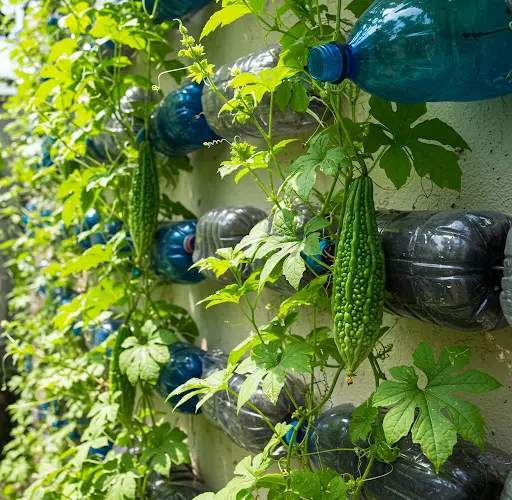
Bitter melon, also known as bitter gourd, is a nutrient-packed vegetable with numerous health benefits. It’s widely used in Asian cuisines and valued for its ability to help regulate blood sugar and improve digestion. However, its vigorous vine growth can make it challenging to cultivate in small spaces. One clever solution is to recycle plastic bottles and grow bitter melon vertically on a wall. This method is not only cost-effective and space-saving but also environmentally friendly.
Here’s a complete guide on how to grow bitter melon using recycled plastic bottles along a wall—perfect for urban gardeners and anyone wanting to maximize their growing space.
Why Grow Bitter Melon Vertically with Plastic Bottles?
Using plastic bottles for vertical gardening offers several benefits:
-
Saves space: Ideal for balconies, fences, or narrow outdoor areas.
-
Reduces waste: Gives a second life to discarded plastic bottles.
-
Improves air circulation: Hanging plants vertically minimizes the risk of fungal diseases.
-
Easy maintenance and harvesting: Fruits hang downward for simple access.
-
Increases yield: Proper exposure to sunlight helps plants produce more fruit.
Materials Needed
Before you begin, gather the following items:
-
1.5 or 2-liter plastic bottles (as many as needed based on space)
-
Bitter melon seeds or seedlings
-
Potting mix (preferably organic and well-draining)
-
Compost or organic fertilizer
-
A sharp knife or scissors
-
Twine, wire, or zip ties
-
A trellis or sturdy wire mesh mounted on a wall or fence
-
A watering can or drip system
Step-by-Step Instructions
1. Prepare the Bottles
Start by washing the plastic bottles thoroughly and removing the labels. Cut a large rectangular window on one side of each bottle—this will serve as the planting area. On the opposite side (bottom), use a heated needle or knife to poke a few small holes for drainage.
Leave the cap on to retain water at the base but poke a small hole in it to allow slow drainage and maintain moisture.
2. Create the Vertical System
Attach the bottles to a wall, fence, or trellis using twine or zip ties. Arrange them in vertical rows or staggered patterns depending on the available space. Ensure each bottle is securely fastened and tilted slightly forward so rainwater doesn’t accumulate inside.
Leave enough space between each row (about 12–15 inches) so the vines can grow and breathe.
3. Fill with Soil and Fertilizer
Prepare a rich potting mix by combining soil with compost or well-rotted manure. Fill each bottle about three-quarters full. Bitter melon is a heavy feeder, so consider mixing in a slow-release organic fertilizer to provide nutrients over time.
You can also sprinkle crushed eggshells or banana peels into the soil to provide calcium and potassium naturally.
4. Sow Seeds or Transplant Seedlings
If starting from seed, plant 1–2 bitter melon seeds per bottle at a depth of 1 inch. Water gently and keep the soil moist. Germination typically takes 7–10 days.
If using seedlings, transplant them into the bottles and press the soil gently around the base. Water immediately after transplanting to help the roots settle.
Caring for Bitter Melon Plants
1. Watering
Bitter melon needs consistent moisture but should not be overwatered. Water once every 1–2 days, especially in hot weather. The small holes in the bottle cap help prevent overwatering by letting excess water slowly drain.
2. Sunlight
Place the vertical garden where it receives at least 6–8 hours of sunlight daily. Bitter melon thrives in full sun and will grow faster and yield better when properly exposed.
3. Support for Vines
As the vines grow, gently guide them onto the trellis or wire mesh. Use soft ties or twine to secure them if needed. This support helps prevent breakage and keeps the fruits off the ground.
4. Fertilizing
Once flowering begins, apply a diluted liquid fertilizer every 2–3 weeks to encourage more blooms and healthy fruit development. Choose an organic fertilizer high in potassium and phosphorus.
Pollination and Fruit Development
Bitter melon plants produce both male and female flowers. Bees and insects naturally pollinate them, but if you’re growing in an area with few pollinators, you can hand-pollinate using a small brush or cotton swab. Transfer pollen from male to female flowers (which have a small swollen base).
Once pollinated, fruits develop quickly. They should be harvested while still green and firm—typically 10–12 days after flowering.
Harvesting and Ongoing Maintenance
Use scissors or garden shears to cut the fruits when they reach 4–6 inches in length. Don’t wait too long, or the fruit may turn yellow and become overly bitter.
After harvesting, remove dead leaves and prune excess vines to encourage continued flowering. Bitter melon can produce fruit continuously for several weeks with proper care.
Final Thoughts
Recycling plastic bottles to grow bitter melon vertically on a wall is an innovative, eco-friendly gardening technique. It requires minimal space, saves money, and transforms everyday waste into productive growing containers. With a little setup and regular care, you can enjoy a steady supply of fresh, nutritious bitter melon right at home.
Whether you’re an urban gardener or someone looking to cut grocery costs, this method is a practical and rewarding way to grow your own vegetables—even in the smallest of spaces.


