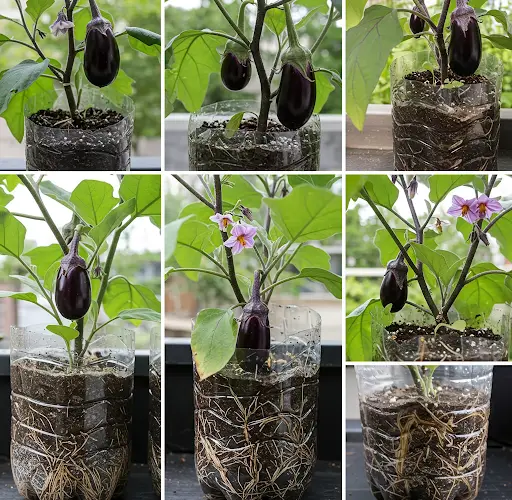
Eggplant, also known as aubergine or brinjal, is a warm-season vegetable beloved in many kitchens for its versatility and rich, meaty texture. While it’s commonly grown in garden beds, eggplants can also thrive in containers or small home gardens with the right care—and surprisingly, bananas can help supercharge their growth.
This guide walks you through how to grow eggplant from seeds at home, and how to use bananas as a natural fertilizer to promote lush growth and high yields.
Why Grow Eggplant at Home?
Eggplants are relatively easy to grow and provide bountiful harvests if given proper sunlight and nutrients. Growing them at home gives you:
-
Fresh, chemical-free produce
-
Cost savings over store-bought vegetables
-
The satisfaction of cultivating your own food
With a little space and the right method, even beginner gardeners can enjoy a steady supply of eggplants from their backyard, balcony, or rooftop.
Materials Needed
To get started, you’ll need the following:
-
Eggplant seeds (choose a compact or high-yield variety)
-
Seed trays or small containers
-
Fertile, well-draining potting mix
-
A large container or grow bag (at least 12 inches deep)
-
Ripe bananas or banana peels
-
Compost or organic fertilizer
-
Garden tools (trowel, gloves, spray bottle)
-
Access to sunlight (at least 6 hours daily)
Step-by-Step Guide to Growing Eggplant from Seeds
1. Start Seeds Indoors
Begin by sowing eggplant seeds in seed trays or small pots. Fill them with a fine, moist seed-starting mix. Sow the seeds about ¼ inch deep and cover lightly with soil.
Keep the trays in a warm place—ideally around 75–85°F (24–29°C). Mist the soil daily to keep it moist, not soggy. Seeds usually germinate within 7–14 days.
2. Transplanting Seedlings
When the seedlings have grown at least two true leaves and are about 4–6 inches tall, they’re ready for transplanting. Choose a large container with drainage holes or prepare a garden bed in full sun.
Before transplanting, prepare the planting hole by digging 8–10 inches deep. Here’s where the banana comes in.
How to Use Bananas for Bigger Yields
Bananas are a rich source of potassium and phosphorus, both essential for flowering and fruiting. You can boost your eggplant production by burying banana peels or whole overripe bananas in the soil before planting.
Banana Fertilizer Method:
-
Dig a hole in the planting site.
-
Place one overripe banana or a handful of banana peels in the bottom.
-
Add a layer of compost or soil to cover it slightly.
-
Plant the eggplant seedling on top and fill in the rest of the hole.
As the banana decomposes, it slowly releases nutrients that nourish the plant through its growing stages.
Care and Maintenance
1. Watering
Eggplants need consistent moisture but should not sit in soggy soil. Water deeply 2–3 times per week or when the top inch of soil feels dry. Container plants may need more frequent watering.
2. Sunlight
Eggplants thrive in full sun. Ensure they receive 6–8 hours of direct sunlight each day. If growing indoors or in low-light areas, supplement with grow lights.
3. Feeding
In addition to the banana peel boost, feed your eggplants with compost tea or diluted organic fertilizer every two weeks once flowering begins. This supports healthy development and continued fruiting.
4. Pruning and Support
As the plant grows, pinch off the top of the main stem once it reaches 18–24 inches tall to encourage bushier growth. Remove any suckers (small shoots between the main stem and branches) to direct energy toward fruit production.
Stake or cage your plant if needed to support heavy fruit loads.
Pest and Disease Management
Keep an eye out for common pests like aphids, flea beetles, or spider mites. Spray neem oil or insecticidal soap as needed. Rotate crops each season if growing in soil to prevent disease buildup.
Avoid overhead watering to reduce the risk of fungal diseases. Ensure good airflow around your plants by not overcrowding.
Harvesting Eggplant
Eggplants are ready to harvest when they reach a glossy, firm texture and a size appropriate to their variety (usually 6–8 inches long for standard types). Don’t wait too long—overripe eggplants can become bitter and seedy.
Use pruning shears to snip the fruit at the stem, leaving a small portion of the stem attached.
Tips for Bigger Yields
-
Use banana peels or composted banana regularly throughout the growing season.
-
Harvest frequently to encourage the plant to produce more.
-
Grow multiple plants in containers or beds if space allows.
Final Thoughts
Growing eggplant at home from seeds is not only rewarding but surprisingly simple with a few organic tricks. Using bananas as a natural fertilizer helps enrich the soil and leads to healthier, more productive plants. Whether you’re growing on a balcony or in your backyard, this method can deliver a plentiful harvest of fresh, flavorful eggplants all season long.
Give it a try—and enjoy the delicious results from your own garden!


