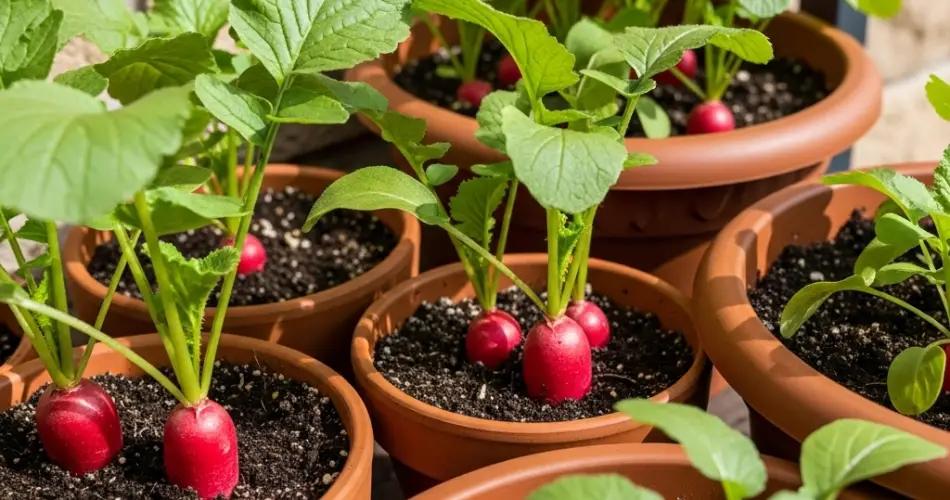
Growing radishes doesn’t require a big garden or raised beds—just a bucket, some soil, and a sunny spot. This quick-growing root vegetable is perfectly suited for container gardening, making it an excellent option for balconies, patios, or any small outdoor space. With a little care, you can enjoy garden-fresh, crunchy radishes at home in as little as a month.
Radishes are known for their speed, simplicity, and crisp texture. They’re a perfect crop for beginners and seasoned gardeners alike. Using a bucket is a practical, low-cost method to grow them while maintaining control over soil quality, drainage, and pests.
Why Use a Bucket for Radish Gardening?
Buckets are affordable, easy to find, and offer just the right depth for most radish varieties. Here’s why they’re great for radish cultivation:
-
Compact: Ideal for limited spaces like balconies or small yards.
-
Portable: Easily moved to catch more sun or shelter from bad weather.
-
Customizable: Drill drainage holes where you need them.
-
Efficient: Grow several radishes in one bucket with minimal effort.
This simple setup eliminates the need for traditional garden space and can produce multiple harvests throughout the year.
What You’ll Need
To grow radishes in a bucket, gather the following materials:
-
5-gallon plastic bucket (or similar)
-
Electric drill or heated nail to make drainage holes
-
High-quality potting soil
-
Compost or aged organic matter
-
Perlite or coarse sand (for drainage)
-
Radish seeds (choose fast-maturing varieties)
-
Watering can or spray nozzle
-
Sunny location (6+ hours of sunlight per day)
Buckets previously used for food storage or construction (cleaned thoroughly) work perfectly for this project.
Choosing the Right Radish Variety
Radishes come in various shapes, sizes, and colors. For bucket growing, opt for quick, compact varieties such as:
-
Cherry Belle – A classic, round red radish that matures in about 22–25 days.
-
French Breakfast – Elongated, mild, and beautiful red with white tips.
-
Easter Egg – A colorful mix of purple, white, and pink radishes.
-
White Icicle – Longer, crisp roots that need slightly deeper containers.
Most radishes do well in containers, but deeper-rooted varieties may need taller buckets or more soil depth.
Preparing the Bucket
-
Add Drainage Holes
Drill 4–6 small holes at the bottom of the bucket to prevent water accumulation and root rot. -
Mix the Soil
Combine the following in a large container:-
60% potting soil
-
30% compost or aged manure
-
10% perlite or coarse sand for improved drainage
-
-
Fill the Bucket
Pour the soil mix into the bucket, leaving about 1–2 inches of space at the top. Lightly moisten the soil before planting.
Planting Radish Seeds
-
Sow Seeds Directly
Radishes are best grown from seed, not transplants. Sow the seeds about ½ inch deep and 1–2 inches apart. -
Water Gently
Use a watering can with a gentle spout to moisten the soil after planting. Keep the surface evenly moist during germination. -
Thin the Seedlings
When the seedlings reach 2 inches tall, thin them to 2–3 inches apart to ensure enough space for roots to develop properly. The thinned greens are edible and great in salads.
Care and Growing Conditions
-
Sunlight: Radishes need at least 6 hours of direct sunlight daily. Place your bucket in a sunny, sheltered area.
-
Watering: Keep the soil moist but not soggy. Inconsistent watering may cause radishes to crack or become overly spicy.
-
Temperature: Ideal growing temperatures range from 10°C to 24°C (50°F to 75°F). Radishes thrive in cool weather and are perfect for spring and fall planting.
Fertilizing and Maintenance
Radishes are light feeders and typically don’t need much fertilizing if planted in rich soil. However, you can:
-
Mix in organic compost before planting.
-
Apply a diluted organic liquid fertilizer once during the growing cycle if needed.
Avoid high-nitrogen fertilizers, which can lead to excessive leafy growth and small roots.
Pest Management
Growing radishes in buckets limits many common pest problems, but keep an eye out for:
-
Aphids
-
Flea beetles
-
Root maggots (less common in container setups)
Use neem oil or insecticidal soap if pests appear, and remove any affected leaves promptly.
Harvesting Your Radishes
Radishes are ready to harvest in 3–5 weeks, depending on the variety. Check for maturity by gently brushing away the soil to inspect the root size—about 1 inch in diameter is ideal.
-
To harvest: Grasp the leaves near the base and pull gently.
-
Don’t let them sit too long—overmature radishes become woody and overly pungent.
Harvest regularly to enjoy the best texture and flavor.
Replanting for Continuous Harvests
One of the best things about radishes is their fast turnaround. You can plant a new batch every two to three weeks for a continuous harvest through spring and fall. Simply refresh the soil with compost, water well, and sow new seeds.
Fresh and Crisp from Your Own Container
Growing radishes in a bucket is simple, quick, and rewarding. It’s a fantastic way to enjoy a crunchy, nutritious vegetable without the need for a traditional garden. Whether you’re new to gardening or just want to add more homegrown produce to your meals, this bucket method brings flavor, freshness, and satisfaction right to your doorstep.


