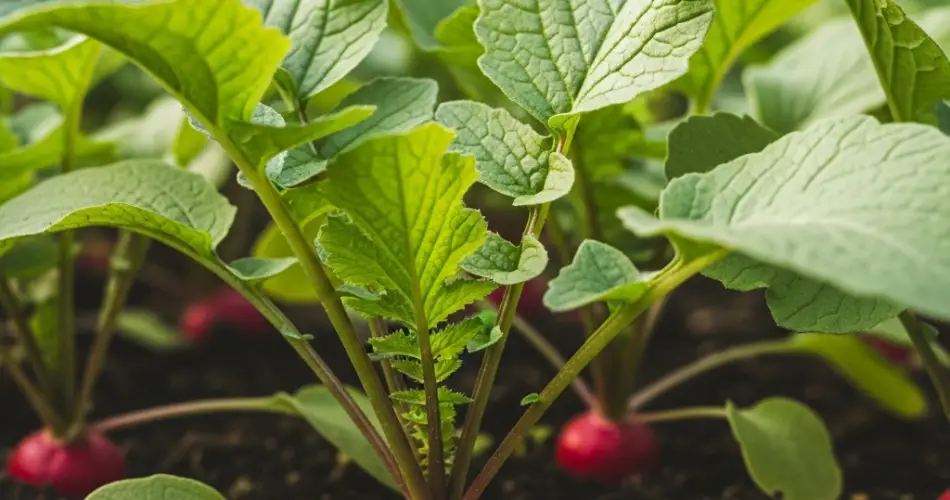
Radishes are among the easiest and fastest vegetables to grow, making them perfect for beginners and seasoned gardeners alike. With their crisp texture and spicy flavor, radishes are a versatile addition to salads, pickles, and snacks. Best of all, they can go from seed to harvest in just a few weeks. Here’s everything you need to know to grow radishes successfully at home.
Why Grow Radishes?
Radishes (Raphanus sativus) are cool-season root vegetables that thrive in spring and fall. They grow quickly—some varieties are ready in as little as 3 weeks—and they require minimal space and care. You can grow them in garden beds, raised planters, or even containers, making them ideal for small spaces.
Choosing the Right Radish Variety
There are many types of radishes, and choosing the right one depends on your preferences and growing season.
-
Spring Radishes: Fast-growing, small, and often round. Popular varieties include ‘Cherry Belle’, ‘French Breakfast’, and ‘Easter Egg’.
-
Winter Radishes: Larger and slower to mature. These include ‘Daikon’, ‘Black Spanish’, and ‘Watermelon’. They store well and are great for cooking.
-
Specialty Varieties: Some radishes come in unique colors or shapes, offering ornamental appeal as well as flavor diversity.
When to Plant Radishes
Radishes prefer cooler temperatures and are best grown in spring and fall.
-
Spring Planting: Sow seeds 4–6 weeks before the last expected frost. In most regions, that’s late winter to early spring.
-
Fall Planting: Sow seeds 6–8 weeks before the first expected frost date. Cooler autumn weather helps reduce bitterness and improve texture.
Avoid growing radishes during hot summer months, as heat can cause them to bolt (flower prematurely) and become woody or bitter.
Preparing the Soil
Radishes need loose, well-draining soil rich in organic matter. Compacted or rocky soil can lead to misshapen roots.
-
Soil pH: Ideally between 6.0 and 7.0.
-
Amendments: Mix compost into the soil before planting. Avoid high-nitrogen fertilizers, which encourage leafy growth at the expense of root development.
If your garden soil is heavy or clay-like, consider growing radishes in raised beds or containers filled with a loose potting mix.
How to Plant Radish Seeds
Radishes are always direct-seeded; they don’t transplant well.
-
Sow seeds ½ inch deep and 1 inch apart in rows spaced about 6–12 inches apart.
-
Water gently but thoroughly after sowing.
-
Thin seedlings to 2 inches apart once they sprout. Crowded radishes won’t form proper roots.
For a continuous harvest, sow seeds every 7–10 days for a few weeks.
Watering and Care
Radishes need consistent moisture to develop tender, flavorful roots.
-
Watering: Keep soil evenly moist, especially during dry spells. Inconsistent watering can lead to cracking or spicy roots.
-
Mulching: A light mulch helps retain moisture and keep the soil cool.
-
Weeding: Keep the bed weed-free so the shallow-rooted radishes don’t face competition.
Radishes are quick-growing and usually don’t require much fertilization once they’re established, especially if you started with compost-rich soil.
Pest and Disease Management
Radishes are generally trouble-free, but a few issues can arise:
-
Flea beetles: Tiny black beetles that chew holes in leaves. Use row covers to protect young plants.
-
Root maggots: These pests tunnel into the roots. Crop rotation and clean garden practices help minimize risk.
-
Downy mildew and fungal diseases: Ensure good air circulation and avoid overhead watering.
Harvest radishes promptly once mature to avoid woody, pithy roots that attract pests.
When and How to Harvest
Radishes mature quickly, often in 20 to 35 days depending on the variety.
-
Check size: Harvest when roots are 1 inch in diameter. Waiting too long can cause them to become fibrous or split.
-
Pull gently: Loosen the soil with a hand fork if needed and pull the radishes by their tops.
-
Harvest often: Radishes left in the ground too long become bitter or woody. If they bolt (flower), the root becomes inedible.
If you’re growing winter varieties like daikon, allow them to mature fully (often up to 60 days), but harvest before the ground freezes.
Storing Radishes
-
Refrigerator: Trim the leaves and store radishes in a plastic bag or container in the fridge. They’ll last 1–2 weeks.
-
Water Storage: For longer shelf life, store cleaned radishes in a bowl of water in the fridge. Change the water every few days.
-
Root Cellar: Winter radish varieties can be stored in a cool, dark, and humid place for several months.
Tips for Success
-
Succession Planting: To keep enjoying fresh radishes, sow new seeds every week during the cool seasons.
-
Companion Planting: Radishes grow well with carrots, lettuce, spinach, and peas. Avoid planting near brassicas like broccoli and cabbage, which attract similar pests.
-
Quick Harvest: Because of their fast growth, radishes are a great way to fill gaps in the garden or act as a marker crop for slower-growing vegetables.
Growing radishes is a simple, satisfying way to enjoy fresh produce from your garden in record time. With just a bit of care and timing, you’ll be rewarded with a crisp, colorful, and flavorful harvest that adds a bite to your meals and beauty to your garden beds.


