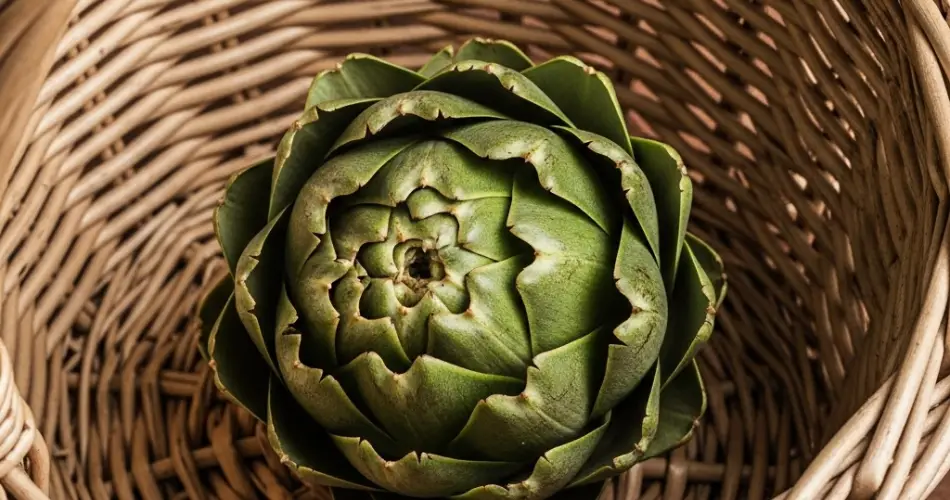
Artichokes are a unique and rewarding vegetable to grow at home. Their striking appearance and delicious edible flower buds make them a standout in any garden. Whether you’re starting from seed or using young starter plants, growing artichokes successfully requires a bit of patience and proper care. Here’s a detailed guide on how to cultivate artichokes in your garden or container.
Understanding Artichokes
Artichokes (Cynara scolymus) are perennial plants in warm climates, though they are often grown as annuals in cooler regions. They thrive in zones 7–11 but can be grown as annuals in colder zones with the right timing and care. Each plant can reach up to 3–4 feet tall and just as wide, so space is essential.
Choosing Between Seeds and Starters
You can start artichokes either from seeds or starter plants (transplants). Seeds are more economical and allow for more variety, but they take longer to mature. Starter plants are convenient and usually result in a quicker harvest.
Starting from Seeds:
-
Timing: Begin seeds indoors 8–12 weeks before your last expected frost date.
-
Germination: Sow seeds in seed trays filled with a light potting mix. Keep them at 70–75°F. Germination typically occurs in 10–14 days.
-
Hardening Off: Once seedlings have at least two sets of true leaves and outdoor temperatures are stable, harden them off by gradually exposing them to outdoor conditions over 7–10 days.
Using Starter Plants:
-
Purchasing: Buy starter artichoke plants from a reputable nursery.
-
Timing: Plant outdoors after all danger of frost has passed and the soil is warm.
Preparing the Planting Site
Artichokes prefer full sun and well-draining, fertile soil. Choose a location that receives at least 6 hours of sunlight daily. Prepare the soil by mixing in compost or well-rotted manure. The ideal soil pH is between 6.5 and 7.5.
Spacing:
Artichokes need space to grow. Space plants 3–4 feet apart in rows that are 4–5 feet apart. If you’re growing in containers, choose one that’s at least 24 inches wide and deep to accommodate the plant’s roots.
Planting the Artichokes
Dig a hole slightly larger than the root ball of your seedling or transplant. Set the plant in the hole and fill with soil, firming it gently around the base. Water thoroughly after planting.
Care and Maintenance
Artichokes are relatively low maintenance if their basic needs are met.
Watering:
These plants require consistent moisture, especially during bud development. Water deeply once or twice a week, depending on weather conditions. Avoid overhead watering to reduce the risk of fungal diseases.
Mulching:
Apply mulch around the base of the plant to retain moisture, suppress weeds, and regulate soil temperature.
Fertilizing:
Artichokes are heavy feeders. Use a balanced fertilizer at planting, then apply a high-nitrogen fertilizer every 4–6 weeks during the growing season.
Pruning:
Remove any small side shoots or suckers to direct energy into the main stems and produce larger buds. After harvesting the main bud, smaller side buds may develop.
Flower Bud Development and Harvesting
Artichokes produce edible buds that should be harvested before they open into purple thistle-like flowers.
Signs of Maturity:
-
Buds are tight, firm, and 3–5 inches in diameter.
-
Harvest in the morning when the buds are at their freshest.
-
Use a sharp knife to cut the stem 1–3 inches below the bud.
Regular harvesting encourages more bud production, especially in warm climates where plants can yield multiple flushes.
Overwintering and Long-Term Care
In zones where artichokes are perennial, cut the plant back in late fall and mulch heavily to protect the roots. In colder climates, treat artichokes as annuals or try overwintering by digging up the roots and storing them in a cool, dark place until spring.
Common Problems
While artichokes are generally hardy, they can occasionally encounter pests or diseases.
-
Aphids and slugs may target young plants. Use organic insecticidal soap or hand-pick slugs.
-
Powdery mildew can develop in humid conditions. Ensure proper spacing and airflow between plants.
-
Poor bud development can result from high heat or drought stress. Maintain consistent moisture and mulch the soil.
Enjoying Your Harvest
Fresh artichokes are best enjoyed steamed, boiled, or roasted. You can also preserve smaller harvests by freezing or pickling the buds. With the right care, each plant can produce several buds, offering you multiple harvests throughout the season.
Growing artichokes at home—whether from seed or starter plants—can be a satisfying addition to your gardening journey. With their impressive size, unique beauty, and culinary value, artichokes are worth the effort for gardeners looking to expand their edible plant collection.


