A clogged toilet is one of the most frustrating household problems. It can lead to unpleasant odors, inconvenience, and sometimes even costly plumbing bills if you have to call in a professional. While most people instinctively reach for a plunger or harsh chemical cleaners, there’s a surprisingly simple and inexpensive trick that requires nothing more than plastic wrap—something you likely already have in your kitchen.
This unconventional method has become popular because it works quickly, doesn’t require special tools, and avoids the health risks of chemical drain cleaners. Let’s take a closer look at how this hack works, why it’s effective, and other natural ways to unclog and maintain your toilet.
Why Use Plastic Wrap on a Toilet?
When your toilet is blocked, the water inside the bowl can’t flow down properly, which creates both a mess and a foul smell. While plumbers have specialized tools, calling one isn’t always practical—or affordable.
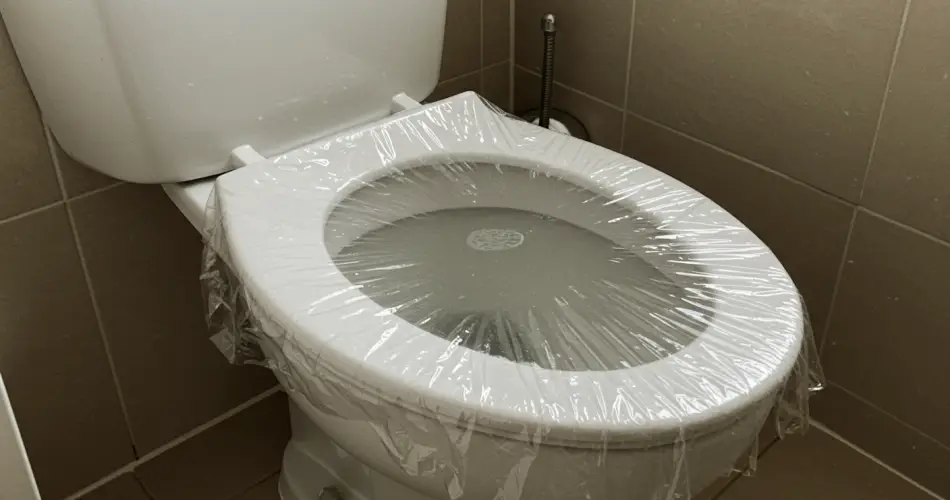
Plastic wrap works on a simple principle of physics: air pressure. By sealing the toilet bowl tightly with several layers of cling film, you create a makeshift barrier. When you flush and press down on the film, the trapped air builds pressure inside the bowl, pushing against the blockage. This often helps dislodge the clog without the need for plungers, snakes, or chemicals.
The method is simple, safe, and surprisingly effective—especially for minor to moderate clogs.
How to Unclog a Toilet Using Plastic Wrap
If you want to try this clever trick, here’s a step-by-step guide:
-
Seal the Toilet Bowl
Take a roll of plastic wrap and cover the entire rim of the toilet seat. Be generous—use multiple layers to ensure a strong, airtight seal. To make it even more secure, press down along the edges and, if necessary, reinforce with tape. -
Flush and Apply Pressure
Once the toilet is completely sealed, flush it. Instead of overflowing, the water will push against the plastic wrap, causing it to balloon outward. Carefully press down on the swollen plastic surface with your hands. -
Release the Blockage
The pressure you apply forces air and water downward, dislodging the obstruction. Afterward, remove the wrap, roll it up, and discard it. -
Ventilate the Bathroom
Always open a window or turn on the fan afterward, especially if the clog was causing unpleasant odors.
This method is quick, cheap, and avoids unnecessary mess.
Other Effective Ways to Unclog a Toilet at Home
While plastic wrap is an ingenious hack, it isn’t the only solution. There are several other methods you can try before calling a plumber.
1. The Classic Plunger Method
A plunger remains one of the most effective tools for clearing blockages. It works similarly to the plastic wrap method by creating pressure, but with a rubber seal instead of plastic film. Place the plunger over the toilet drain, push down firmly, and pull back repeatedly until the clog loosens.
2. Using a Toilet Auger (Drain Snake)
For tougher clogs, a telescopic toilet auger—commonly called a drain snake—can be very effective. This flexible tool reaches deeper into the pipe to break up or push through obstructions.
3. Hot Water Flush
For softer blockages caused by toilet paper or organic material, boiling water can work wonders. Heat a large pot of water until it’s just below boiling, then carefully pour it into the toilet bowl. The heat helps dissolve and break down the clog, allowing it to flush away.
4. Baking Soda and Vinegar Reaction
Another eco-friendly solution is a mixture of baking soda and vinegar. Start by pouring one cup of baking soda into the toilet bowl, followed by one cup of vinegar. The fizzing chemical reaction helps break down debris. After 30 minutes, flush with hot water.
Unclogging a Toilet with Salt
Salt is another surprising household product that can help with toilet maintenance and unclogging. Its coarse texture and ability to absorb moisture make it an excellent cleaning agent.
Here’s how to use it:
-
Mix half a cup of salt with half a cup of baking soda.
-
Pour the mixture directly into the toilet bowl.
-
Add six cups of boiling water, slowly pouring it down to avoid splashing.
-
Leave the solution overnight (or at least eight hours).
-
Flush the next morning to see results.
This combination works to dissolve buildup, soften blockages, and deodorize the toilet.
Salt for Regular Toilet Maintenance
Even when your toilet isn’t clogged, salt can play a valuable role in preventing future problems and keeping your bathroom clean.
-
Monthly Maintenance Flush: Mix one cup of coarse salt into a bucket of very hot water. Pour it into the toilet bowl and leave it for several hours. This not only helps prevent clogs but also reduces limescale buildup.
-
Direct Cleaning: Sprinkle coarse salt directly into the bowl, let it sit for about an hour, scrub with a toilet brush, and flush. The abrasive texture removes stains and mineral deposits effectively.
Salt is inexpensive, natural, and safe to use compared to commercial toilet cleaners.
Advantages of Natural Toilet Unclogging Methods
By using plastic wrap, salt, baking soda, vinegar, or hot water, you avoid harsh chemicals and expensive plumbing services. Some of the biggest benefits include:
-
Cost savings: Most of these solutions use items already in your kitchen.
-
Eco-friendliness: No chemical cleaners means less environmental harm.
-
Safety: You don’t risk chemical burns, toxic fumes, or pipe damage.
-
Convenience: These methods are quick and don’t require special tools.
Final Thoughts
A clogged toilet doesn’t always mean a call to the plumber or a trip to the store for harsh chemicals. With simple tricks like plastic wrap pressure, hot water, baking soda and vinegar, or a salt-based solution, you can tackle most blockages yourself. These methods are safe, effective, and inexpensive, making them a great first step before resorting to professional help.
So the next time your toilet refuses to flush properly, don’t panic. Just grab some plastic wrap—or a handful of salt from your kitchen—and you might be surprised at how easily the problem disappears.