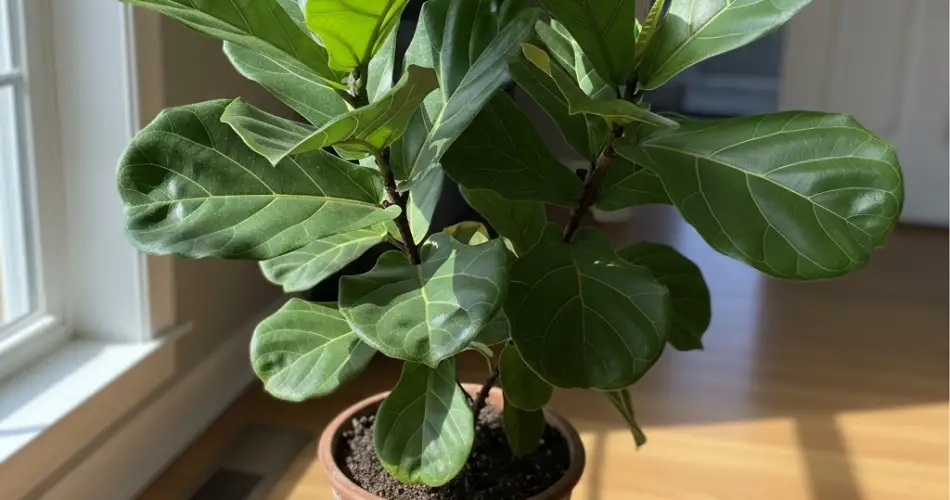
The fiddle leaf fig (Ficus lyrata) is one of the most popular indoor plants thanks to its large, glossy leaves and dramatic presence. However, without proper care and shaping, this plant can become leggy, unbalanced, or too tall for the space it occupies. Pruning is the key to maintaining a healthy and attractive fiddle leaf fig. It not only helps manage the size and shape of the plant but also encourages new growth, creating a fuller and more vibrant appearance.
This guide explores essential pruning techniques to help you shape your fiddle leaf fig tree into the stunning indoor feature it is meant to be.
Why Prune a Fiddle Leaf Fig?
Pruning is more than just a cosmetic task. It has multiple benefits for the plant’s health and growth:
-
Controls size: Keeps the plant from becoming too tall or unruly.
-
Shapes appearance: Allows you to create a balanced form, whether tree-like or bushy.
-
Encourages branching: Cutting in the right places stimulates lateral growth, leading to a fuller plant.
-
Removes damage: Dead or diseased leaves and stems can be eliminated, helping the plant focus energy on healthy growth.
Without pruning, a fiddle leaf fig can grow straight upward, with sparse leaves at the bottom, resulting in a top-heavy and unstable plant.
Best Time to Prune
The ideal time to prune your fiddle leaf fig is during its active growing season, typically in spring or early summer. During this time, the plant has abundant energy for healing and producing new growth. Avoid pruning during the dormant months of late fall and winter, when the plant is conserving energy.
Tools You’ll Need
Before you begin pruning, prepare the following tools:
-
Sharp, sterilized pruning shears or scissors
-
Clean cloth and rubbing alcohol for disinfecting tools
-
Optional: gloves to protect your hands from sticky sap
Sterilizing your tools is important because it prevents the spread of bacteria and fungal infections that could harm your plant.
Pruning Techniques for Shaping
1. Removing Dead or Damaged Leaves
Start by inspecting the plant for any leaves that are yellowing, browning, or damaged. Snip these off at the base of the leaf stem. Removing unhealthy foliage allows the plant to redirect energy toward healthy leaves and new growth.
2. Controlling Height
If your fiddle leaf fig is getting too tall, prune the top stem. Make a clean cut just above a node—the point where a leaf attaches to the stem. This encourages branching at that point, which helps the plant become bushier instead of continuing to grow upward.
3. Encouraging Side Branches
One of the most effective ways to shape your fiddle leaf fig is to encourage side branches. To do this, cut the main stem above a healthy node. The plant will often respond by producing two or more new branches from that point. Over time, this creates a fuller, more balanced look.
4. Shaping the Canopy
To create an even, attractive canopy, prune selectively around the top and sides of the plant. Focus on cutting stems that are growing in awkward directions or those that make the plant appear lopsided. Always step back and assess the shape as you go, making gradual adjustments rather than drastic cuts.
5. Thinning Out Crowded Growth
If leaves or stems are overcrowded, prune some of them to improve air circulation and light penetration. This reduces the risk of fungal problems and ensures that each leaf gets enough light to thrive.
Aftercare Tips
Pruning causes stress to the plant, so proper aftercare is essential:
-
Light: Place the plant in bright, indirect light to support recovery.
-
Watering: Water the plant only when the top inch of soil feels dry. Avoid overwatering, as stressed plants are more vulnerable to root rot.
-
Cleaning sap: After pruning, you may notice sticky sap seeping from the cuts. Gently dab the area with a clean cloth to prevent buildup.
-
Patience: It may take several weeks for new branches to form. Be patient and resist the urge to over-prune.
Additional Tips for Shaping
-
Use a stake if needed: For tall or newly branched plants, staking can provide temporary support while the new growth strengthens.
-
Rotate the plant: Regularly turning your fiddle leaf fig helps it grow evenly toward the light, reducing the need for corrective pruning.
-
Prune gradually: Instead of making drastic changes all at once, prune lightly over time. This approach is less stressful for the plant and gives you more control over its shape.
Conclusion
Pruning is an essential practice for maintaining the health and beauty of a fiddle leaf fig tree. By learning the right techniques, you can control its size, encourage branching, and create a balanced shape that enhances any living space. With patience and care, your fiddle leaf fig will not only look stunning but also remain strong and healthy for years to come.


