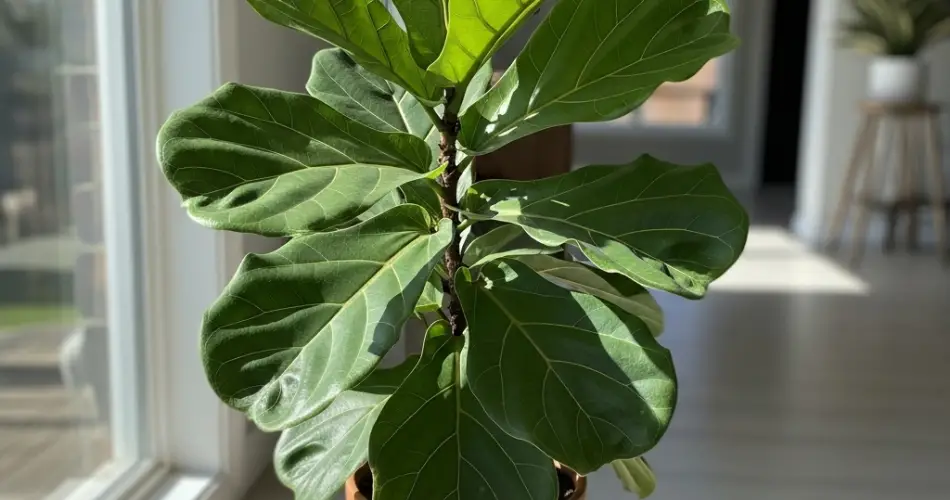
The fiddle leaf fig (Ficus lyrata) has become one of the most iconic indoor plants, admired for its tall stature and large, violin-shaped leaves. However, it is also known for being temperamental. One of the most common frustrations plant owners face is sudden leaf drop. When a fiddle leaf fig starts shedding leaves, it can be alarming, but with the right care and adjustments, this issue is preventable.
This article explores the main causes of leaf drop in fiddle leaf figs and provides practical strategies to keep your plant healthy, stable, and lush.
Understanding Why Leaf Drop Happens
Leaf drop is the fiddle leaf fig’s way of responding to stress. While some natural shedding of lower, older leaves is normal, excessive loss signals a problem with growing conditions. The most common causes include:
-
Overwatering or Poor Drainage
Fiddle leaf figs dislike soggy soil. Roots sitting in water for too long begin to suffocate and rot, causing leaves to yellow, brown, and eventually fall off. -
Underwatering
On the other hand, if the plant is left too dry for long periods, it becomes stressed and starts to sacrifice leaves to conserve energy. -
Inconsistent Watering
Fiddle leaf figs thrive on routine. Irregular watering schedules can confuse the plant, leading to erratic leaf drop. -
Light Stress
These plants need bright, indirect light to thrive. Too little light weakens the plant, while sudden changes in light exposure—such as moving from a dim room to direct sun—can shock it. -
Temperature Fluctuations
Cold drafts, air conditioning vents, or heaters placed too close can trigger leaf drop. Fiddle leaf figs prefer consistent, warm temperatures. -
Acclimation Stress
Newly purchased plants often drop a few leaves as they adjust to a new environment. While this is normal, ongoing loss suggests deeper care issues.
Watering Practices to Prevent Leaf Loss
Proper watering is the cornerstone of fiddle leaf fig care. To maintain balance:
-
Use the soak-and-dry method: Water thoroughly until excess drains out the bottom, then allow the top few inches of soil to dry before watering again.
-
Check moisture levels: Stick your finger about 2 inches into the soil; if it feels dry, it’s time to water.
-
Improve drainage: Always use pots with drainage holes, and consider a well-draining soil mix containing perlite or bark to prevent compaction.
-
Adjust seasonally: In winter, the plant requires less water since growth slows. Overwatering during this time is a common cause of leaf drop.
Providing the Right Light
Fiddle leaf figs thrive in bright, indirect sunlight. Ideally, place the plant near a large east- or south-facing window where it can get steady light without harsh midday sun. If your space lacks natural brightness, consider supplementing with a grow light.
Avoid sudden light changes—if moving your plant outdoors for summer or closer to a window, acclimate it gradually to prevent shock.
Maintaining Stable Temperature and Humidity
Temperature swings are another major stressor. Fiddle leaf figs grow best between 65–75°F (18–24°C). Keep them away from drafty windows, heaters, or vents.
Humidity also plays a role in leaf health. While fiddle leaf figs are adaptable, dry indoor air can cause leaf edges to crisp. Using a humidifier, placing the plant near other greenery, or setting the pot on a tray of water and pebbles can help maintain moderate humidity.
Fertilizing for Strong Growth
A well-fed fiddle leaf fig is less prone to leaf loss. During the active growing season (spring and summer), feed with a balanced, water-soluble fertilizer every 4–6 weeks. Reduce or stop fertilizing in fall and winter when growth naturally slows.
Overfertilizing should be avoided, as too much salt buildup in the soil can damage roots and cause stress.
Repotting and Root Care
If your fiddle leaf fig is root-bound, water and nutrients may not be reaching the plant effectively, leading to yellowing and leaf drop. Repotting every 1–2 years into a slightly larger pot with fresh, well-draining soil can rejuvenate growth.
When repotting, check the roots. Trim away any mushy or rotten sections before replanting.
Monitoring and Adjusting Care
Fiddle leaf figs respond slowly, so it’s important to give them time after making adjustments. If you notice leaf drop, avoid making too many changes at once. Instead, review each factor—water, light, temperature, and soil—to pinpoint the cause.
New growth at the top of the plant is a good sign that your adjustments are working, even if some older leaves continue to fall.
Final Thoughts
Leaf drop in fiddle leaf figs can be discouraging, but it is usually a symptom of stress rather than a sign of irreversible damage. By focusing on consistent watering, providing the right light, maintaining stable conditions, and ensuring healthy roots, you can prevent this issue and enjoy a thriving plant.
With patience and the right care habits, your fiddle leaf fig can grow into a stunning statement piece, full of lush green leaves that stay put instead of dropping prematurely.


