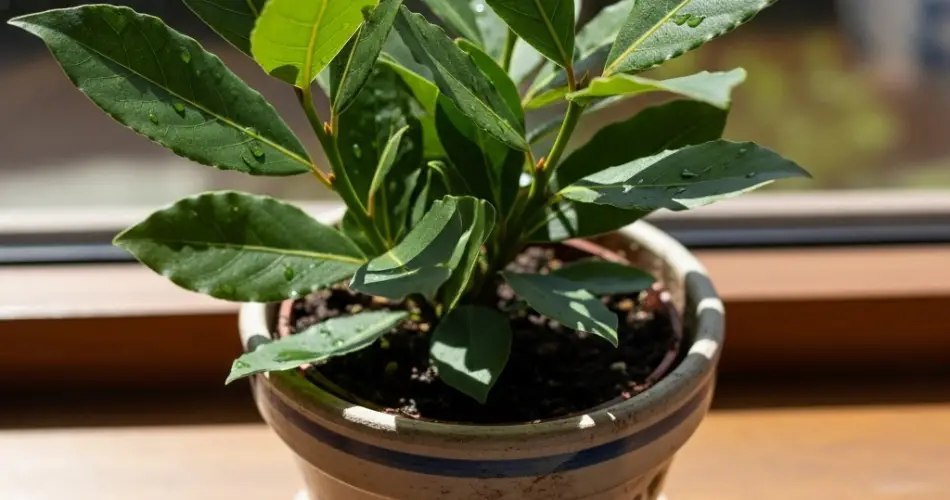
Bay leaf trees (Laurus nobilis), often called bay laurels, are not only valued for their aromatic leaves but also admired as ornamental plants. Their glossy foliage, elegant growth habit, and versatility make them a popular choice for both gardeners and cooks. While traditionally grown in Mediterranean gardens, bay leaf trees adapt very well to container life. When placed in decorative pots, they provide beauty, fragrance, and functionality, making them perfect for balconies, patios, entryways, or indoor spaces. With the right care, pruning, and container setup, you can cultivate a healthy bay tree that serves as both a culinary resource and a striking centerpiece.
Why Choose Decorative Pots for Bay Leaf Trees?
Decorative pots enhance the natural elegance of bay trees, turning them into living design elements. A well-chosen container complements the glossy leaves and adds charm to any setting. Whether you prefer classic terracotta, sleek ceramic, or modern fiberglass, decorative pots elevate the plant’s appearance while allowing easy mobility. Growing bay in containers also makes it manageable: you can control its size with pruning, protect it from frost by moving it indoors, and enjoy fresh bay leaves just steps away from your kitchen.
Selecting the Right Pot
The key to success lies in choosing a pot that balances beauty with practicality. Bay trees develop a steady root system, so the container should be at least 12–16 inches deep and wide for young plants. As the tree matures, repotting every 3–4 years into slightly larger containers ensures continued growth. Decorative pots made of ceramic or glazed terracotta retain moisture well but can be heavy; plastic containers are lighter but may not offer the same visual appeal. Regardless of style, always ensure the pot has drainage holes to prevent water from pooling around the roots.
Ideal Soil Mix
Bay trees thrive in soil that drains well yet holds enough moisture to sustain steady growth. A potting mix designed for Mediterranean herbs works best, but you can create your own by combining:
-
2 parts high-quality potting soil
-
1 part compost or well-rotted manure
-
1 part sand or perlite for aeration
This blend offers nutrients, airflow, and proper drainage. Aim for a soil pH between 6.0 and 7.0, which is slightly acidic to neutral. Refresh the soil annually with compost or organic fertilizer to maintain its fertility.
Light and Temperature
As a sun-loving plant, bay laurel thrives with at least 6 hours of direct sunlight daily. Outdoors, position the decorative pot in a bright spot such as a balcony corner, patio edge, or sunny doorway. Indoors, place it near a south- or west-facing window. Bay trees prefer moderate temperatures of 60–75°F (15–24°C). In colder regions, bring containers inside before the first frost to protect them, as prolonged freezing temperatures can damage the plant.
Watering and Feeding
Proper watering is essential for healthy container-grown bay trees. Keep the soil consistently moist during the growing season, but allow the top inch to dry out before watering again. Overwatering can lead to root rot, especially in pots without good drainage. In winter, when growth slows, reduce watering significantly.
For nutrition, feed bay trees with a balanced liquid fertilizer every 4–6 weeks during spring and summer. Alternatively, use slow-release organic fertilizer at the start of the growing season. Avoid excessive fertilization, as it can encourage weak, overly leafy growth rather than sturdy branches and flavorful leaves.
Pruning for Shape and Health
Pruning is one of the joys of growing bay trees in decorative pots, as it allows you to shape them into attractive forms. Whether you prefer a neat ball, pyramid, or natural shrub-like shape, regular trimming encourages dense, healthy growth. The best time to prune is late spring or summer, once new growth has matured.
-
Remove dead, damaged, or yellowing leaves.
-
Thin out crowded branches to improve airflow.
-
Trim back long shoots to maintain a balanced shape.
Light pruning throughout the year also keeps the tree compact and suitable for container life. With careful shaping, bay trees can even be trained into elegant topiary forms that enhance the beauty of decorative pots.
Harvesting Bay Leaves
Bay leaves can be harvested year-round once the tree is well established. Choose mature, dark green leaves for the best flavor, and snip them cleanly with scissors or pruning shears. While fresh leaves are mild, drying intensifies their aroma. You can harvest leaves during pruning sessions, drying the extras for storage in airtight containers.
Common Problems to Watch For
Even in decorative pots, bay trees are generally hardy but may face some issues:
-
Root rot: Caused by excess water and poor drainage—always check soil moisture before watering.
-
Pests: Scale insects, aphids, or spider mites may appear. Wipe leaves with a damp cloth or treat with neem oil if infestations occur.
-
Yellowing leaves: Often linked to cold drafts, nutrient imbalance, or overwatering. Adjust conditions accordingly.
Final Thoughts
Bay leaf trees in decorative pots combine beauty and practicality, enriching your home with both visual appeal and culinary value. With the right pot, well-draining soil, consistent watering, and regular pruning, your bay laurel will flourish for years. It will not only provide you with aromatic leaves to enhance your cooking but also serve as a stylish addition to your balcony, patio, or indoor décor. Pruning allows you to craft its shape, while decorative pots elevate its presence—proving that with a little care, bay trees can thrive as both ornamental and edible treasures.


