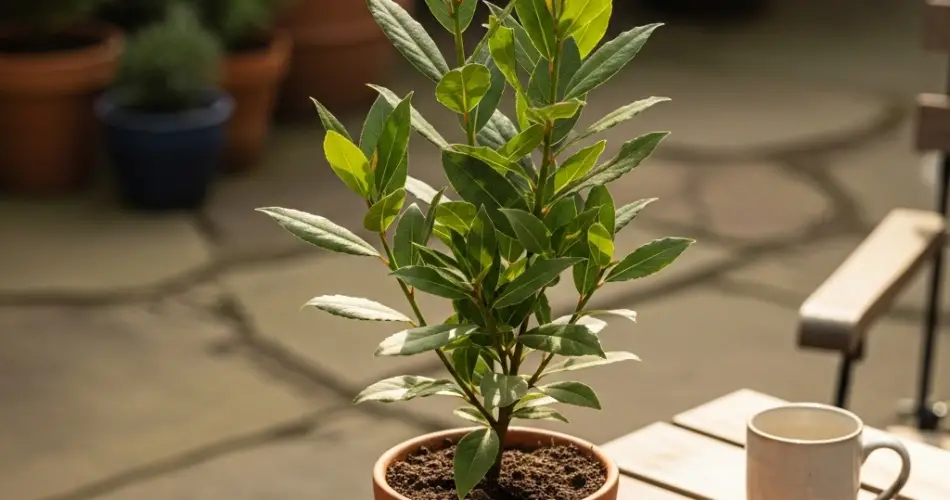
The bay leaf plant, also known as Laurus nobilis or bay laurel, is a timeless herb cherished for its aromatic leaves and elegant appearance. Traditionally used to flavor soups, stews, and sauces, bay leaves are a staple in kitchens around the world. Beyond their culinary value, bay plants also add a touch of sophistication to outdoor living spaces with their glossy green foliage and neat growth habit.
If you don’t have a large garden, you can still enjoy growing this versatile plant. Bay leaf adapts beautifully to container gardening, making it perfect for patios, porches, balconies, or even sunny indoor corners. With the right pot, soil, and care, a bay leaf plant in a container can thrive for years.
Why Grow Bay Leaf in Pots?
Bay trees can grow quite tall in the ground, often reaching 20 to 30 feet, but when grown in pots, their size remains much more manageable. Container gardening also allows you to:
-
Control the soil quality and drainage.
-
Move the plant to the sunniest spots or provide shelter in harsh weather.
-
Bring the plant indoors during cold winters, protecting it from frost.
-
Keep it within easy reach for harvesting fresh leaves.
This flexibility makes potted bay plants an ideal option for urban gardeners or anyone with limited outdoor space.
Choosing the Right Container
Bay laurel has a slow-growing but strong root system, so choose a sturdy container at least 12–16 inches in diameter and depth. Larger pots encourage long-term growth and reduce the need for frequent repotting. Containers made of terracotta, ceramic, or wood are excellent choices, but make sure they have proper drainage holes to prevent root rot.
If you want a more decorative touch for your patio or balcony, you can also shape bay plants into topiary forms, and a stylish container will enhance their ornamental appeal.
Soil Preparation
Bay leaf prefers well-draining, fertile soil. A high-quality potting mix combined with compost works well. To improve drainage, add a bit of sand, perlite, or grit to the soil mix. Avoid heavy soils that retain too much moisture, as bay roots dislike being waterlogged.
A slightly acidic to neutral pH (6.0–7.0) is ideal for bay plants. Once planted, top the soil with a thin layer of mulch to help retain moisture and regulate temperature.
Planting Bay Leaf
You can start bay plants from seeds, but the process is slow and requires patience. Most gardeners prefer to begin with young plants purchased from nurseries. When planting, position the root ball at the same depth it was growing previously, and gently firm the soil around it. Water well after planting to help the roots settle in.
Sunlight and Temperature Needs
Bay leaf thrives in full sun to partial shade. Ideally, your potted bay should receive at least 6 hours of sunlight daily. On porches or balconies with limited direct sun, try to position the pot where it gets morning light and some afternoon shade.
Bay is naturally Mediterranean, so it prefers mild climates. While mature plants can tolerate short periods of cold, they are not frost-hardy. In colder regions, move the pots indoors before the first frost and place them near a sunny window. If growing indoors year-round, consider rotating the plant occasionally so all sides receive equal light.
Watering and Feeding
Consistent but moderate watering is key. Allow the top inch of soil to dry out slightly before watering again. Overwatering can damage roots, while underwatering can cause leaves to drop.
Fertilize your bay plant during the growing season (spring through summer) every 4–6 weeks with a balanced liquid fertilizer or an organic option like compost tea. Reduce feeding in fall and winter when growth slows.
Pruning and Shaping
One of the joys of growing bay leaf in pots is its adaptability to pruning. You can let it grow naturally as a small shrub or trim it into a neat topiary shape. Regular pruning helps keep the plant compact and encourages new leaf growth. Remove any dead, damaged, or crowded branches, and harvest leaves as needed for cooking.
Harvesting Bay Leaves
Bay leaves can be harvested year-round, but the flavor is strongest once leaves are fully mature and dark green. Simply snip a few leaves at a time for use in the kitchen. Fresh leaves are aromatic, but they develop even more complex flavors after drying for a few weeks. Store dried leaves in an airtight container for future use.
Repotting and Long-Term Care
Bay trees grow slowly, so they don’t require frequent repotting. Typically, repotting every 3–4 years is sufficient. When roots begin to circle the container or growth slows noticeably, move the plant into a slightly larger pot with fresh soil.
With proper care, potted bay plants can live for decades, making them a long-term investment for both your garden and kitchen.
Final Thoughts
Bay leaf in pots is an elegant, practical choice for anyone looking to combine beauty and function in their outdoor or indoor spaces. Its aromatic leaves enhance countless recipes, while its glossy green foliage provides visual appeal year-round. Perfect for patios, porches, and balconies, potted bay plants thrive with minimal care and bring a touch of the Mediterranean to your home. By choosing the right pot, soil, and growing conditions, you can enjoy fresh bay leaves for cooking while adding charm to your urban garden.


