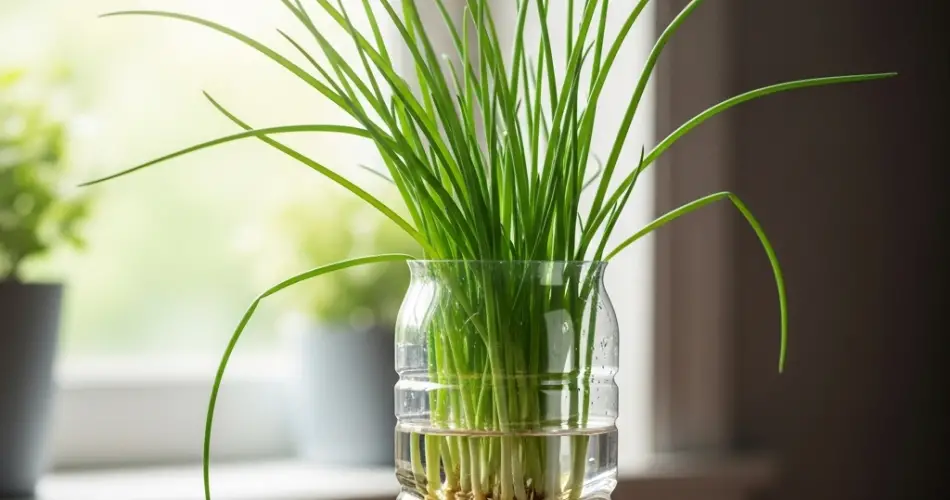
Chives are a versatile and easy-to-grow herb that adds fresh, mild onion flavor to salads, soups, and a variety of dishes. Growing chives indoors ensures a steady supply of vibrant green leaves, even in small apartments or urban homes. One simple, sustainable method for indoor propagation is using recycled plastic bottles. This technique provides a controlled environment for root development, is eco-friendly, and ideal for gardeners with limited space. This guide explains how to propagate chives indoors using plastic bottles successfully.
Why Propagate Chives Indoors
Indoor propagation of chives offers several benefits:
-
Year-Round Availability: Growing indoors allows you to harvest fresh chives regardless of the season.
-
Space Efficiency: Perfect for kitchen counters, windowsills, or small apartment gardens.
-
Sustainability: Reusing plastic bottles reduces waste and creates an effective propagation container.
-
Controlled Environment: Bottles help maintain consistent moisture and humidity, promoting faster rooting.
Using indoor plastic bottle gardens is particularly effective for new chive plants, as it protects tender shoots from temperature fluctuations and low humidity.
Selecting and Preparing Chive Cuttings
To propagate chives, start with healthy, green stems from an existing plant. Each cutting should be 4–6 inches long and free from yellowing or damaged leaves. For optimal results, select firm, tender shoots rather than mature, woody stems.
Trim the bottom of each cutting just above a node, where new roots will form. Removing lower leaves prevents them from sitting in water or soil, reducing the risk of rot. Keep several leaves at the top to allow photosynthesis to continue while roots develop.
Preparing Plastic Bottles for Propagation
Clear plastic bottles make excellent mini-greenhouses for indoor propagation. Here’s how to prepare them for chive cuttings:
-
Select a 500 ml to 1-liter clear bottle.
-
Cut the bottle horizontally in half, creating a bottom section for water or soil and a top section as a humidity dome.
-
Fill the bottom half with clean water for water propagation, or with well-draining soil or a sand-compost mix for soil-based propagation.
-
Insert the chive cutting into the medium, ensuring that the base is stable and leaves remain above water or soil.
-
Place the top half of the bottle over the cutting to create a humid microenvironment.
This setup retains moisture, encourages faster root formation, and allows light to reach the cutting while reducing water loss.
Rooting Chives in Water
Water propagation is a straightforward method for indoor chives:
-
Place cuttings in water-filled bottles with the base submerged and leaves above water.
-
Position the bottle in bright, indirect sunlight to prevent overheating.
-
Change the water every 2–3 days to prevent stagnation and encourage healthy root growth.
Within 1–2 weeks, small white roots will appear from the nodes. Once the roots reach about 2 inches, the cuttings are ready to be transplanted into soil for long-term growth.
Soil-Based Propagation
For a more permanent setup, chives can be propagated directly in soil using a bottle as a mini-greenhouse:
-
Fill the bottom half of the bottle with well-draining potting mix or a sand-compost blend.
-
Insert the cutting into the soil, keeping it upright and stable.
-
Cover the cutting with the top half of the bottle to maintain humidity.
-
Keep the soil lightly moist, avoiding overwatering.
Roots generally develop in 2–4 weeks. After they are established, transplant the chives into a larger pot or garden bed.
Caring for Rooted Chives
Once chives have rooted successfully, proper care ensures continued growth:
-
Watering: Keep soil consistently moist but avoid waterlogging.
-
Light: Provide 4–6 hours of bright, indirect sunlight daily.
-
Temperature: Ideal indoor temperatures are 60–75°F (15–24°C).
-
Fertilization: Apply a balanced, diluted fertilizer every 2–3 weeks to encourage leaf growth.
Regularly harvesting the outer leaves encourages new growth and prevents the plant from becoming overgrown.
Benefits of Indoor Plastic Bottle Chive Propagation
-
Fast and efficient rooting
-
Space-saving for small indoor gardens
-
Eco-friendly, reusing plastic bottles
-
Provides a controlled environment to reduce stress on cuttings
-
Easy to monitor and maintain
Final Thoughts
Propagating chives indoors with plastic bottles is a simple, sustainable, and effective method for home gardeners. By selecting healthy cuttings, preparing bottles properly, and maintaining consistent care, you can enjoy fresh chives year-round. This method is ideal for urban homes, small apartments, or eco-conscious gardeners seeking a convenient way to grow herbs. With patience and proper maintenance, bottle-propagated chives will develop into healthy, flavorful plants ready to enhance your cooking and indoor garden.


