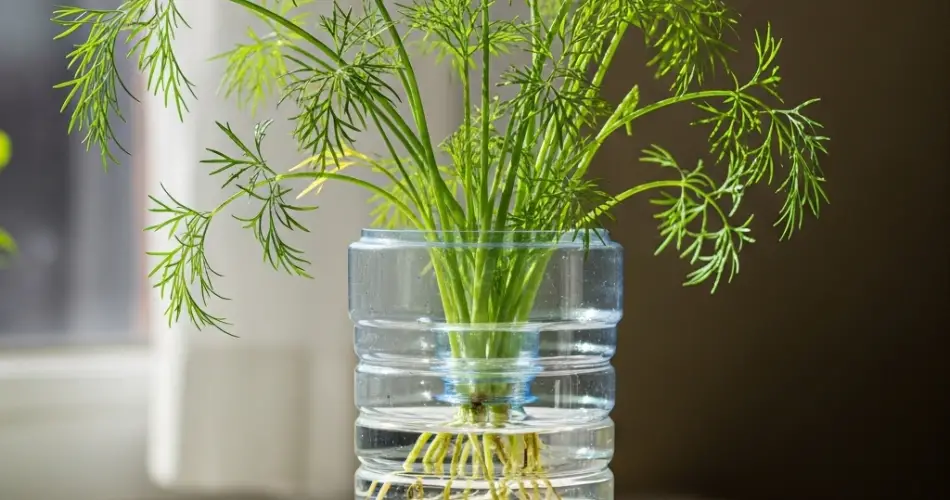
Dill is an aromatic herb widely valued for its feathery leaves and seeds, which enhance salads, soups, sauces, and pickles. Having a steady supply of fresh dill at home elevates your cooking and allows gardeners to enjoy the full flavor of this versatile herb. For those seeking a sustainable and simple method for propagation, plastic bottles offer a perfect solution. By using recycled bottles, you can create an ideal environment for rooting dill cuttings while reducing household waste. This guide walks you through propagating your dill harvest using only plastic bottles.
Why Propagate Dill in Plastic Bottles
Plastic bottles are an accessible, eco-friendly option for dill propagation, offering several advantages:
-
Humidity Control: Bottles maintain moisture around cuttings, preventing wilting and encouraging root growth.
-
Protected Environment: Shields delicate stems from drafts, temperature fluctuations, and pests.
-
Sustainability: Repurposing bottles reduces waste while providing an inexpensive propagation container.
-
Space Efficiency: Ideal for indoor gardens, windowsills, or small urban spaces.
By creating a bottle-based mini-greenhouse, you can improve the success rate of your dill propagation and ensure healthy, strong plants.
Selecting and Preparing Dill Cuttings
To propagate dill successfully, choose healthy stems from your existing plant. Each cutting should be 3–5 inches long, firm, and free of yellowing or damaged leaves. Semi-hardwood stems work best, as they are mature enough to root easily but still flexible.
Remove the lower leaves to expose the nodes where roots will develop. Leaving a few leaves at the top ensures the cutting can continue photosynthesis while roots form. Use a clean, sharp knife or scissors for a fresh cut to minimize stress and increase the likelihood of successful rooting. Optionally, dipping the base of the cutting in rooting hormone can help stimulate faster root growth.
Preparing Plastic Bottles for Dill Propagation
Plastic bottles can be easily transformed into propagation containers and mini-greenhouses. Here’s how to prepare them:
-
Select a clear plastic bottle between 500 ml and 1 liter for easy monitoring of root growth.
-
Cut the bottle horizontally to create a bottom section for soil or water and a top section to serve as a humidity dome.
-
Fill the bottom half with well-draining soil if propagating in soil, or fill with clean water for water-based propagation of cuttings.
-
Insert the prepared dill cutting or plant the seed in the medium, ensuring the base is stable.
-
Cover the cutting or seedling with the top half of the bottle to maintain a humid microenvironment.
This simple setup keeps moisture consistent, encourages rapid rooting, and protects young plants from environmental stress.
Rooting and Early Care
Place the bottle dome in bright, indirect sunlight. Avoid direct afternoon sun, which can overheat and damage the cuttings.
For soil-based propagation, keep the medium lightly moist and mist occasionally to maintain humidity. For water-based propagation, change the water every 2–3 days to prevent stagnation and promote healthy root growth. Dill cuttings typically develop roots within 1–2 weeks, while seeds may germinate in 7–14 days depending on conditions.
Transplanting Rooted Dill
Once the cuttings have developed strong roots or seedlings are a few inches tall, they are ready for transplanting:
-
Prepare a larger container or garden bed with well-draining soil enriched with compost.
-
Carefully remove the cutting or seedling from the bottle, taking care not to damage delicate roots.
-
Plant the dill in the new location, covering the roots and firming the soil gently.
-
Water lightly and place the plant in a sunny location, gradually acclimating it to full sun if necessary.
Proper transplanting ensures healthy growth and a continuous supply of fresh dill.
Caring for Dill After Transplanting
-
Sunlight: Dill thrives in full sun but can tolerate partial shade.
-
Watering: Keep soil consistently moist without waterlogging, which can harm roots.
-
Fertilization: Apply a balanced, diluted fertilizer every 3–4 weeks to encourage leaf growth.
-
Harvesting: Regularly trim outer leaves to promote bushier growth and prevent early flowering.
Benefits of Plastic Bottle Dill Propagation
-
Rapid root development and increased propagation success
-
Compact and space-saving for indoor or small-space gardening
-
Environmentally friendly by repurposing household plastic bottles
-
Protects young plants from temperature fluctuations and pests
-
Simple to monitor growth and adjust care as needed
Final Thoughts
Using plastic bottles to propagate your dill harvest is a simple, sustainable, and highly effective method for indoor or small-space gardening. By selecting healthy cuttings, preparing bottles properly, and maintaining consistent care, gardeners can enjoy fresh, aromatic dill year-round. This method is perfect for eco-conscious gardeners, urban dwellers, and anyone seeking a practical, low-cost way to grow herbs. With patience and proper maintenance, dill propagated in plastic bottles will develop into robust plants that enhance both your indoor garden and your cooking.


