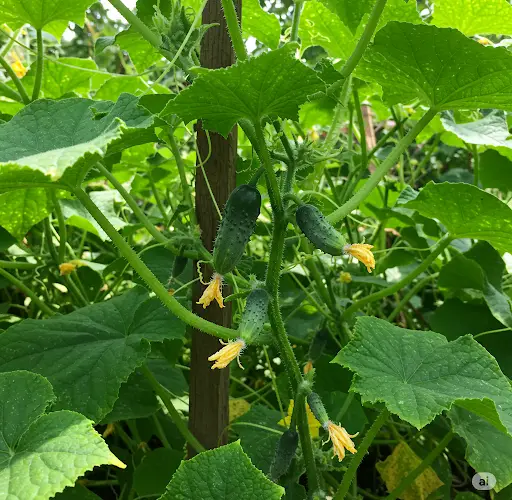
Cucumbers are a favorite in many home gardens for their refreshing taste, rapid growth, and versatility in the kitchen. But to reach their full potential, cucumbers need consistent care, especially when it comes to feeding. If you’ve ever dealt with stunted growth, yellowing leaves, or sparse fruit, the solution might be simpler than you think. With the right natural fertilizer, cucumbers can grow vigorously, stay disease-free, and produce abundantly throughout the season.
This homemade fertilizer is easy to prepare, made with natural ingredients, and delivers fast results. Many gardeners have found that just one or two applications are enough to spark visible improvements in plant health, flowering, and fruit set.
Why Cucumbers Need Extra Nutrients
Cucumbers are fast-growing, vining plants that require plenty of water and nutrients to thrive. They’re heavy feeders, especially during flowering and fruiting stages. Without the proper balance of nitrogen, potassium, magnesium, and micronutrients, you might notice:
-
Slow or uneven growth
-
Pale or yellowing leaves
-
Poor flowering and few fruits
-
Bitter-tasting cucumbers
-
Susceptibility to pests and diseases
A good fertilizer should support all stages of growth—from strong roots and lush foliage to abundant, high-quality fruits.
The Perfect Fertilizer for Cucumbers: A Homemade Boost
This natural liquid fertilizer provides the key nutrients cucumbers crave while improving soil health and microbial activity. It’s affordable, effective, and safe for use throughout the growing season.
Ingredients:
-
1 liter of warm water
-
1 tablespoon of dry yeast
-
1 tablespoon of sugar
-
1 tablespoon of wood ash or banana peel powder (rich in potassium)
-
Optional: 1 teaspoon of Epsom salt (for magnesium)
-
Optional: A small splash of milk or whey (for calcium and beneficial bacteria)
Why These Ingredients Work
-
Yeast contains B-vitamins and enzymes that activate root growth and support healthy microbial life in the soil.
-
Sugar feeds the yeast and beneficial bacteria, creating a mini fermentation process that enriches the soil.
-
Wood ash or banana peel powder supplies potassium, which is crucial for flowering and fruit development.
-
Epsom salt provides magnesium, essential for photosynthesis and overall plant vigor.
-
Milk or whey adds calcium, which prevents blossom-end rot and supports strong plant structure.
How to Prepare and Apply the Fertilizer
-
In a bowl or jug, combine warm (not hot) water with the sugar and yeast. Stir until fully dissolved.
-
Let the mixture sit for 1–2 hours to activate the yeast.
-
Add the wood ash or banana peel powder, Epsom salt, and milk if using. Mix thoroughly.
-
Use immediately after preparation for best results.
Application Method
-
Soil Drench: Pour about 200–250 ml of the solution at the base of each cucumber plant. Avoid getting the leaves wet to prevent fungal issues.
-
Frequency: Apply once every 10–14 days during the active growing season. Reduce frequency once fruit production is in full swing.
-
Timing: Fertilize in the early morning or late afternoon to avoid heat stress.
Benefits of This Fertilizer
1. Explosive Growth
Thanks to the combination of yeast and sugar, this mix wakes up beneficial microbes in the soil. These microbes, in turn, help the roots absorb nutrients more effectively, leading to lush vines and quick growth.
2. Increased Flowering and Fruit Set
The potassium from wood ash or banana peels is a game-changer when it comes to encouraging flower formation and ensuring those flowers turn into healthy cucumbers.
3. Stronger, Healthier Plants
Magnesium and calcium promote greener leaves, prevent blossom-end rot, and reduce the chances of disease. The overall effect is a resilient plant that can handle summer stress better.
4. Safe and Natural
This fertilizer is made with food-safe, chemical-free ingredients, making it suitable for organic gardening and safe for pets, kids, and pollinators.
Additional Tips for Healthy, Productive Cucumber Plants
-
Water deeply and consistently, especially in hot weather. Cucumbers are mostly water and need a steady supply to grow straight and juicy.
-
Mulch around the base of your plants to retain moisture, suppress weeds, and regulate soil temperature.
-
Provide support—whether trellises, nets, or cages—to keep fruits off the ground and prevent rot or pest issues.
-
Harvest regularly. Picking cucumbers as they ripen encourages the plant to produce more.
Final Thoughts
Cucumbers can truly thrive when given the right growing conditions and nourishment. This simple, homemade fertilizer provides everything they need to grow strong, flower abundantly, and yield delicious fruits all season long. With just a few ingredients from your kitchen and garden, you can create a powerful, natural tonic that transforms struggling plants into productive powerhouses.
So if your cucumber plants are looking tired or slow to grow, give this natural boost a try. Pour it over the base of your plants, and watch them spring to life—vines stretching, leaves greening, and fruit forming before your eyes.


