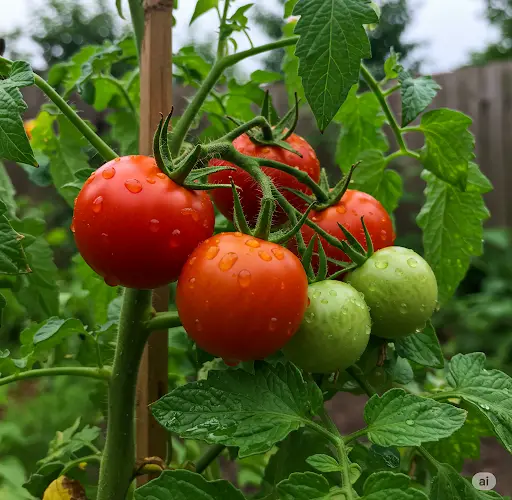
When it comes to growing tomatoes, one of the most debated topics is whether or not to remove the leaves. Some gardeners strip their plants of lower leaves as soon as they appear, while others leave the foliage untouched. So what’s the right approach?
The answer depends on timing, plant health, and growing conditions. Pruning tomato leaves can be incredibly beneficial—but only if done correctly. Removing leaves at the wrong time or in the wrong way can actually harm your plants, reduce yield, or make them vulnerable to disease. This guide will help you understand when and how to prune tomato leaves to support healthier plants and bigger harvests.
Why Gardeners Prune Tomato Leaves
Pruning is commonly done for several reasons:
-
To improve airflow: Removing lower leaves reduces moisture buildup and helps prevent fungal diseases like early blight and powdery mildew.
-
To redirect energy: When plants are pruned properly, more nutrients go into producing fruit instead of excess foliage.
-
To prevent pests: Dense foliage near the base of the plant can attract slugs, aphids, and fungal spores from the soil.
-
To control size: In smaller gardens or containers, pruning can keep indeterminate tomatoes from becoming unmanageable.
However, improper pruning—especially too early in the season—can backfire.
Don’t Rush to Remove Leaves: Here’s Why
In the early stages of tomato growth, leaves are essential. They are the plant’s solar panels, absorbing sunlight and turning it into the energy needed for root development, flowering, and fruiting.
Removing too many leaves too soon can:
-
Stunt plant growth
-
Delay flowering and fruiting
-
Leave fruit exposed to sunscald
-
Reduce photosynthesis and weaken the plant
For young seedlings and plants that have just been transplanted, it’s crucial to allow the leaves to remain intact. These leaves play a vital role in helping the plant establish itself in its new environment.
When Is the Right Time to Prune Tomato Leaves?
Once the plant has grown tall and begun flowering, selective pruning becomes helpful—especially for indeterminate varieties, which keep growing all season. Here’s a guide to when and how to prune:
1. After the First Flowers Appear
As soon as the first flower trusses start forming, you can begin to remove the lower leaves, especially any that are touching the soil. These leaves are no longer essential and can become entry points for diseases.
2. Once Fruits Begin to Set
At this stage, pruning can help direct the plant’s energy toward ripening the fruit. Remove any yellowing or damaged leaves below the fruit clusters, and continue to monitor for excessive leaf growth that could block airflow.
3. During Humid or Wet Periods
If you live in a humid area or there’s been a lot of rain, pruning helps reduce the risk of fungal issues. Open up the plant structure by removing dense, overlapping foliage, particularly in the interior of the plant.
How to Prune Tomato Leaves Properly
-
Use clean, sharp scissors or garden shears to prevent tearing and disease spread.
-
Never remove more than 1/3 of the foliage at a time, as this can stress the plant.
-
Focus on the bottom 30 cm (about 12 inches) of the plant, especially as the season progresses. This keeps the base clear and improves ventilation.
-
Remove yellowing or diseased leaves immediately, regardless of where they appear on the plant.
Should You Remove Suckers?
Suckers are the small shoots that grow in the “V” between the main stem and a leaf branch. In indeterminate varieties, removing suckers can keep plants manageable and encourage larger fruit. In determinate (bush-type) tomatoes, however, it’s best to leave suckers alone, as they contribute to the plant’s fruit production.
The Case for Leaving Some Leaves
While pruning has benefits, leaving the upper and mid-level leaves helps protect the fruit from direct sunlight. These leaves provide essential shade and prevent sunscald—white, leathery patches that appear on overexposed tomatoes.
Also, keep in mind that over-pruning can stress plants and attract pests. Striking the right balance between removing excess foliage and keeping the plant strong is key.
Final Thoughts
Don’t be too quick to remove tomato leaves. In the early stages, they are essential for plant health and energy production. As the plant matures, targeted pruning—especially of lower and inner leaves—can improve airflow, prevent disease, and increase fruit production.
Use the plant’s growth stage as your guide. Once flowers appear and fruit begins to develop, you can start pruning strategically. Keep the base clear, remove damaged or diseased foliage, and avoid cutting back too much at once.
By understanding when and how to prune tomato leaves, you’ll enjoy healthier plants, fewer diseases, and a more abundant, high-quality harvest. It’s a simple practice that, when done right, makes a big difference in the success of your tomato-growing season.


