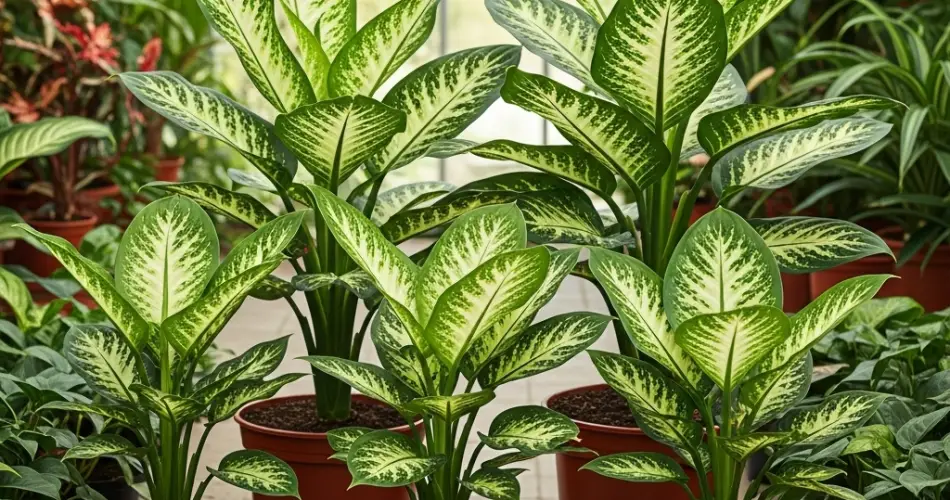
Dieffenbachia, also known as dumb cane, is a striking tropical houseplant known for its large, patterned leaves and upright growth. It’s an excellent choice for beginners, thanks to its tolerance for indoor conditions and ease of care. However, one of the most important steps in ensuring a healthy Dieffenbachia is proper potting. The way you pot this plant influences its root development, growth rate, and overall health.
Whether you’ve just brought home a new plant or are looking to repot a mature one, understanding the fundamentals of potting Dieffenbachia will help you set it up for long-term success. This guide covers everything beginners need to know—from selecting the right pot and soil to watering practices and post-potting care.
Why Potting Matters for Dieffenbachia
Dieffenbachia thrives in well-draining, nutrient-rich soil that stays lightly moist but not soggy. Improper potting—such as using dense soil, poorly draining containers, or oversized pots—can lead to common problems like root rot, yellowing leaves, or stunted growth.
By choosing the right pot and using an appropriate soil mix, you give your plant the foundation it needs to absorb water, nutrients, and oxygen efficiently.
Selecting the Right Pot
When potting Dieffenbachia, the container you choose plays a crucial role in moisture control and root space.
Look for pots that have:
-
Drainage holes at the bottom to prevent water accumulation
-
Medium depth to support the upright root structure
-
A size just slightly larger than the root ball, usually 1–2 inches wider than the current pot
Terracotta or unglazed ceramic pots are a good option because they allow for better air exchange and moisture evaporation. Plastic pots retain water longer, so be cautious not to overwater if using them.
Avoid pots that are too large, as excess soil can retain too much moisture, increasing the risk of root disease.
Preparing the Soil
Dieffenbachia prefers a loose, well-aerated soil mix that retains some moisture without becoming heavy or compacted. A standard indoor plant mix can be used, but amending it with extra drainage materials is ideal.
Recommended mix:
-
2 parts all-purpose potting soil
-
1 part perlite or coarse sand
-
1 part peat moss or coco coir
This combination holds moisture while allowing excess water to drain freely. You can also add a small handful of compost or worm castings to boost nutrition naturally.
Step-by-Step Potting Guide
1. Gather materials:
You’ll need your Dieffenbachia plant, a suitable container, prepared soil mix, gloves (optional), and a small trowel.
2. Prepare the pot:
If reusing a container, clean it thoroughly to remove any residues. Place a small layer of gravel or broken pottery at the bottom (optional) to prevent soil from blocking drainage holes.
3. Remove the plant from its current pot:
Hold the plant at the base of its stem and gently ease it out of the pot. Tap the sides or squeeze a plastic pot to loosen it. Avoid pulling too hard, which can damage the roots.
4. Examine the roots:
Trim away any dead, mushy, or overly long roots using clean scissors. If the roots are tightly bound, loosen them slightly to encourage new outward growth.
5. Position the plant:
Place the Dieffenbachia in the center of the new pot, adjusting the soil height so the root ball sits about an inch below the rim. The base of the stem should remain above the soil surface.
6. Add soil and firm gently:
Fill in around the roots with soil mix, pressing lightly to secure the plant without compacting the soil. Leave space at the top for watering.
7. Water thoroughly:
Give the plant a deep watering, allowing excess moisture to drain through the bottom. This helps settle the soil around the roots.
Post-Potting Care Tips
Once potted, place the plant in a location with bright, indirect light. Avoid direct sunlight, which can scorch the leaves, and dim corners, which may cause legginess.
Keep the temperature consistent between 18–27°C (65–80°F), and avoid cold drafts. Dieffenbachia also appreciates moderate humidity, so mist occasionally or place a humidity tray nearby if your indoor air is dry.
Watering guidelines:
-
Water when the top inch of soil feels dry.
-
Reduce watering in winter when growth slows.
-
Always empty drainage trays to prevent water from pooling.
Common Mistakes to Avoid
-
Overpotting: Don’t choose a container that’s too large—it can lead to water retention and root rot.
-
Burying the stem: The stem base should sit just above the soil line to prevent stem rot.
-
Using dense soil: Avoid garden soil or heavy mixes that restrict drainage and airflow.
-
Neglecting drainage: Always ensure your container has holes for excess water to escape.
When to Repot
Dieffenbachia typically needs repotting every 1–2 years, or when:
-
Roots are growing through the drainage holes
-
Soil becomes compacted or drains poorly
-
The plant outgrows its container and becomes top-heavy
Repotting refreshes the soil, gives roots more room to grow, and allows you to inspect root health.
Final Thoughts
Potting your Dieffenbachia correctly is one of the most important steps in its care. With a breathable container, well-draining soil, and proper planting technique, your plant will grow steadily and reward you with lush, eye-catching foliage. For beginners, following these simple potting practices builds a strong foundation for long-term success. With the right care and attention, your Dieffenbachia will thrive indoors and become a standout feature in your home.