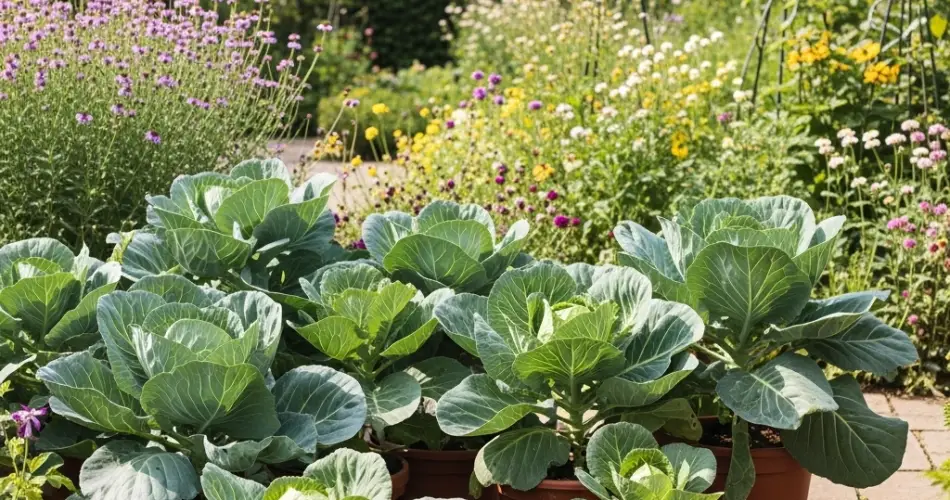
Cabbage is a cool-season vegetable known for its dense, leafy heads and crisp texture. While traditionally grown in large garden beds, cabbage also grows well in containers—making it an excellent option for gardeners with limited space. Whether you have a small backyard, balcony, or sunny patio, growing cabbage in pots is both practical and rewarding.
With a little preparation and care, potted cabbage can thrive in containers, producing full heads that are perfect for salads, stir-fries, and slaws. This beginner-friendly guide will walk you through everything you need to know to grow your own cabbage in pots—from seed to harvest.
Why Grow Cabbage in Pots?
Container gardening offers several advantages, especially for leafy vegetables like cabbage:
-
Space-efficient: Great for balconies, patios, and rooftops.
-
Soil control: Allows for ideal growing conditions without worrying about poor native soil.
-
Mobility: Move pots to follow the sun or provide shelter from bad weather.
-
Pest management: Easier to monitor for pests and diseases in a small, contained area.
-
Cleaner harvest: Heads stay above ground, reducing soil splashes and rot.
Cabbage plants are surprisingly adaptable, and with the right pot and care, you can grow firm, flavorful heads even in compact spaces.
Choosing the Right Cabbage Variety
While most cabbage types can be grown in pots, smaller and faster-maturing varieties are especially suitable. Look for varieties that are compact and tolerant of container conditions.
Recommended varieties:
-
Golden Acre: Small, early-maturing cabbage with tight heads.
-
Mini Green: A dwarf cabbage ideal for small pots.
-
Savoy types: Crinkled leaves and mild flavor; tolerant to cooler temperatures.
-
Red Express: A vibrant red variety that matures quickly and grows well in containers.
Selecting the right variety ensures that your cabbage doesn’t outgrow the container and matures within a manageable timeframe.
Selecting the Right Container
Cabbage has a shallow but wide-spreading root system, so choose a pot that accommodates both root expansion and above-ground growth.
-
Size: At least 12–14 inches (30–35 cm) deep and 14–18 inches (35–45 cm) wide.
-
Material: Plastic, terracotta, fabric grow bags, or recycled buckets all work well.
-
Drainage: Ensure the container has multiple holes at the bottom to prevent waterlogging.
You can plant one cabbage per pot, or more in a larger rectangular container, spacing them 12–18 inches apart.
Soil and Fertilizer
Cabbage prefers nutrient-rich, well-draining soil with a slightly acidic to neutral pH (around 6.0–7.0). The key to strong leaf development and tight heads is good soil preparation.
Ideal soil mix:
-
2 parts potting soil
-
1 part compost or well-rotted manure
-
Optional: Add perlite or sand to improve drainage
Mix in a slow-release balanced fertilizer (e.g., 10-10-10) at planting time. As the plant grows, feed every 2–3 weeks with a liquid fertilizer high in nitrogen to support leaf growth.
Planting and Spacing
-
Start with seedlings or seeds: You can either transplant nursery seedlings or sow seeds directly in the container.
-
Depth: If planting seedlings, place them at the same depth as they were in their nursery pots.
-
Spacing: Allow at least 12 inches (30 cm) between each plant to give them room to form full heads.
Water thoroughly after planting and keep the soil consistently moist for even growth.
Light and Temperature Requirements
Cabbage requires 6–8 hours of direct sunlight per day. It thrives in cooler temperatures between 55–75°F (13–24°C). In warmer climates, place pots in spots that receive morning sun and partial afternoon shade.
If you’re growing in early spring or fall, cabbage will thrive outdoors. In hot climates, consider using light-colored pots to prevent the soil from overheating.
Watering and Mulching
Cabbage needs consistent moisture to develop tender leaves and tight heads.
-
Watering: Keep the soil evenly moist, but avoid waterlogging. Water at the base to prevent disease.
-
Mulching: Apply a layer of straw, dried leaves, or compost on top of the soil to retain moisture and regulate soil temperature.
Avoid letting the soil dry out completely, especially when heads begin to form.
Pest and Disease Management
Cabbage is susceptible to a few common pests and diseases. Monitor your plants regularly and act quickly at the first sign of trouble.
-
Cabbage worms and loopers: Pick off by hand or use organic insecticidal soap.
-
Aphids: Spray with water or neem oil.
-
Fungal diseases: Prevent by ensuring good airflow and watering at the base of the plant.
Using a floating row cover during the seedling stage can help prevent many insect issues.
Harvesting Your Cabbage
Cabbage is ready to harvest when the head feels firm and has reached the expected size for its variety—typically 70–100 days after planting.
To harvest:
-
Use a sharp knife to cut the head at the base, just above the outer leaves.
-
Leave the outer leaves and root system in the pot if you want a second, smaller harvest—sometimes the plant will send up new side shoots that form baby heads.
Store harvested cabbage in a cool, dry place or refrigerate it for longer shelf life.
Final Thoughts
Growing cabbage in pots is a rewarding and manageable way to enjoy this nutritious vegetable at home. With the right container, soil, and care, even beginner gardeners can produce beautiful, crunchy heads right from the patio or balcony. Whether used in coleslaw, soups, or stir-fries, your homegrown cabbage will be fresher and more flavorful than anything from the store. Give potted cabbage a try—and enjoy crisp, compact harvests straight from your garden container.


