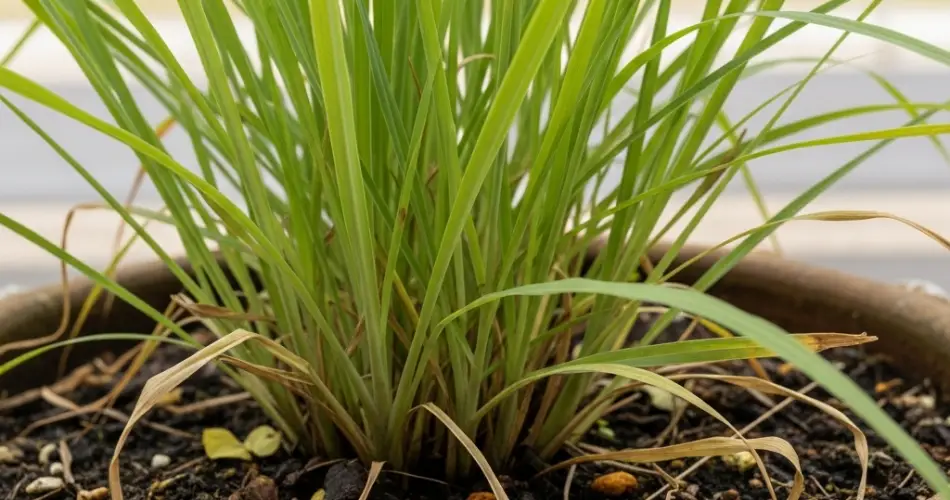
Lemongrass (Cymbopogon citratus) is one of those rare plants that brings both beauty and practicality to a home garden. Known for its tall, arching leaves and refreshing citrus aroma, lemongrass is a staple in Asian cuisine and herbal teas. Beyond its culinary uses, it doubles as an ornamental grass, filling patios and windowsills with a delightful fragrance. The best part? You don’t need a sprawling garden to enjoy it. Lemongrass grows remarkably well in pots, making it an excellent choice for small gardens, balconies, and even sunny indoor spaces.
This article will guide you through everything you need to know about growing lemongrass in pots—so you can enjoy both its fragrance and flavor right at home.
Why Grow Lemongrass in Pots?
There are several reasons why lemongrass makes an ideal container plant:
-
Space efficiency – Even if you lack a backyard, a single pot of lemongrass can supply your kitchen with fresh stalks and leaves.
-
Mobility – Potted plants can be moved to capture maximum sunlight or sheltered during cooler months.
-
Pest control – Lemongrass naturally repels mosquitoes, making it a practical addition to patios and porches.
-
Dual-purpose plant – While it’s edible, lemongrass also works as a decorative grass, adding lush greenery to outdoor or indoor spaces.
Container-grown lemongrass provides both utility and beauty, all in one compact package.
Choosing the Right Pot and Soil
Lemongrass is a fast-growing plant with a clumping habit, so it requires a large, sturdy container. Choose a pot at least 12–14 inches wide and deep to accommodate its spreading roots and tall stalks. Wider pots are even better, as lemongrass tends to form multiple shoots from its base.
Drainage is essential. Ensure your container has several holes to prevent waterlogging.
For soil, lemongrass thrives in rich, loamy, and well-draining soil. A mixture of potting soil, compost, and a little sand or perlite creates the ideal environment. The compost provides nutrients for vigorous growth, while the sand ensures proper drainage.
Planting Lemongrass in Pots
Lemongrass can be grown from seeds, nursery starts, or even grocery-store stalks with intact bases.
-
From stalks – Place the stalk base in a glass of water until roots form, then plant it in your container.
-
From seedlings – Transplant young plants into your prepared pot, spacing them about 6 inches apart if planting multiple in one container.
-
From seeds – Though less common, you can sow seeds directly into the soil. Keep them moist until they sprout.
Once planted, press the soil gently around the roots and water thoroughly.
Sunlight and Water Needs
Lemongrass is a tropical plant that loves warmth and sunlight. For best results, give it at least 6–8 hours of direct sun daily. Outdoors, place pots in a bright corner of the patio or balcony. Indoors, position them near a south-facing window or use a grow light if natural sunlight is limited.
Watering is equally important. Lemongrass prefers consistently moist but not soggy soil. Check the top inch of soil regularly—if it feels dry, it’s time to water. In hot weather, daily watering may be necessary. Adding a layer of mulch helps retain moisture and keeps roots cool.
Caring for Potted Lemongrass
With the right conditions, lemongrass is a low-maintenance plant. Here are some tips to keep it thriving:
-
Fertilize monthly with a nitrogen-rich liquid fertilizer to encourage lush leaf growth.
-
Divide clumps every year or two by removing the plant from its pot and replanting smaller sections. This keeps the plant healthy and prevents overcrowding.
-
Prune old leaves to make way for new, fresh growth. Cutting back dry or damaged leaves also keeps the plant tidy.
-
Bring indoors in winter if you live in a cooler climate. Lemongrass cannot tolerate frost, but it adapts well to sunny indoor conditions.
Harvesting Lemongrass
One of the joys of growing lemongrass in pots is the easy access to fresh stalks. You can start harvesting once the plant is well-established, usually after three to four months of growth.
To harvest, pull or cut stalks from the outer edge of the clump, leaving the central shoots to keep growing. Trim off the tough outer leaves, keeping the tender, pale base of the stalk for cooking. The leaves, while tougher, can be used to infuse teas, soups, and broths with a citrusy aroma.
Culinary and Aromatic Uses
Fresh lemongrass stalks bring a zesty, lemony flavor to stir-fries, curries, marinades, and soups. The leaves can be steeped in hot water to make a soothing herbal tea. Beyond the kitchen, lemongrass can be crushed to release its natural oils, which are known for their refreshing scent and mosquito-repelling qualities.
Having a pot of lemongrass means you’ll always have a supply of this fragrant and flavorful herb at hand, ready to elevate your cooking and freshen your living space.
Final Thoughts
Potted lemongrass is one of the most rewarding plants you can grow. Not only does it serve as a beautiful ornamental grass, but it also provides endless culinary and aromatic benefits. With a large pot, fertile soil, plenty of sunshine, and consistent care, lemongrass will flourish on your patio, balcony, or kitchen windowsill.
Whether you want to enhance your recipes, brew fresh teas, or simply enjoy its refreshing fragrance, lemongrass proves that one plant can offer both beauty and flavor—all in a single pot.


