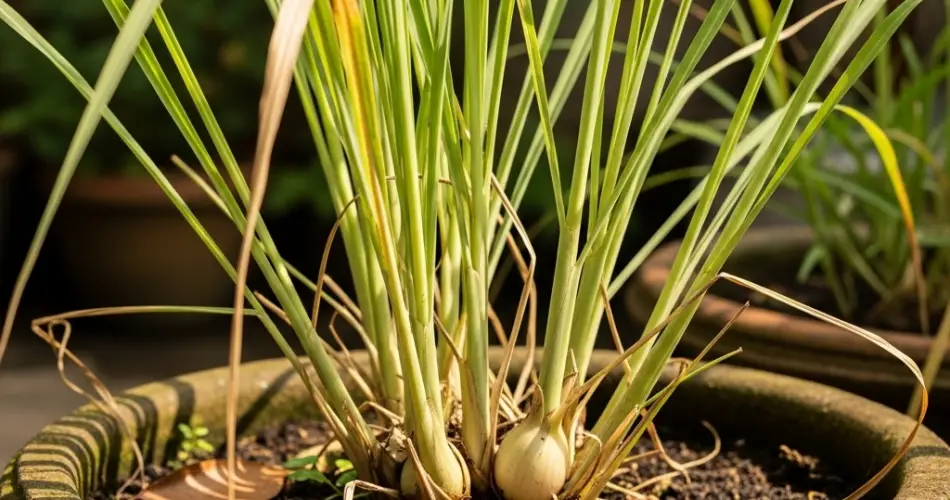
Lemongrass (Cymbopogon citratus) is a fragrant and versatile herb that has found its way into kitchens, teacups, and even natural remedies worldwide. Known for its citrusy aroma and refreshing flavor, it is an essential ingredient in Southeast Asian cuisine and an increasingly popular addition to herb gardens everywhere. Fortunately, lemongrass is not only easy to grow but also thrives in containers, making it an ideal choice for those with limited space. Whether you’re cultivating it on a balcony, patio, or sunny windowsill, growing lemongrass in portable pots ensures you have a fresh, aromatic supply at your fingertips year-round.
Why Grow Lemongrass in Pots?
While lemongrass can grow tall and wide in the ground, reaching up to four feet in height, containers provide a more manageable and space-saving option. Portable pots allow you to control soil quality, move the plant for maximum sunlight, and protect it from extreme weather. They also make harvesting easier, as you can position the plant where it’s most convenient. In colder climates, pots give you the flexibility to bring lemongrass indoors during winter, preventing frost damage.
Choosing the Right Pot
Lemongrass develops dense root clumps, so it requires a spacious container. Choose a pot at least 12–16 inches deep and wide, with drainage holes to prevent waterlogging. Larger containers are even better, as they give the roots room to spread and the stalks space to grow upright. If portability is a concern, consider lightweight plastic pots or containers with wheels for easy movement.
Preparing the Soil
This herb prefers rich, well-draining soil that retains enough moisture to keep roots hydrated. A high-quality potting mix combined with compost creates an ideal growing medium. Adding sand or perlite can improve drainage, ensuring water does not sit around the roots. Because lemongrass is a heavy feeder, nutrient-rich soil at the start is essential for sustained growth.
Planting Lemongrass
Lemongrass can be started from seed, but the easiest and most reliable method is to use stalk cuttings or divisions. If you buy fresh stalks from a market, place the bases in water until roots appear, then transfer them into pots. When planting, space each stalk about 6 inches apart to give them room to expand. Plant divisions at the same depth as they were growing previously, and water thoroughly after planting to help them settle in.
Sunlight and Temperature Needs
As a tropical plant, lemongrass thrives in warm, sunny conditions. Position your pots where the plant can receive at least 6–8 hours of direct sunlight each day. Indoors, a south-facing window or supplemental grow light ensures steady growth.
Lemongrass prefers temperatures above 60°F (15°C) and grows vigorously in hot weather. In regions with cold winters, it is best grown as a potted annual or moved indoors before frost arrives. Indoors, keep it in a warm spot away from cold drafts.
Watering and Fertilizing
Consistent watering is crucial for lemongrass. The soil should remain evenly moist but never waterlogged. Water deeply whenever the top inch of soil feels dry, allowing excess water to drain. During the peak of summer, you may need to water more frequently to keep the plant hydrated.
To support its rapid growth, fertilize lemongrass every 3–4 weeks during the growing season. A balanced, all-purpose liquid fertilizer or organic compost tea works well. High-nitrogen fertilizers are especially beneficial, as they encourage lush, leafy growth.
Maintenance and Pruning
Lemongrass is relatively low-maintenance but benefits from occasional trimming. Remove any brown or dead leaves to encourage healthy new growth. If stalks become overcrowded, divide the clump every year or two by separating the outer stalks and replanting them in fresh pots. This not only rejuvenates the plant but also provides you with new lemongrass starts to share or expand your garden.
Weeding is rarely an issue in pots, but check occasionally to ensure the plant remains free of competition. Keeping pots clean and refreshing the soil every few years prevents nutrient depletion and disease buildup.
Harvesting Lemongrass
The best time to harvest lemongrass is when stalks reach at least a half-inch thick and are about a foot tall. To harvest, simply pull or cut a stalk at soil level. Choose the outer, more mature stalks, leaving the younger inner stalks to continue growing. Regular harvesting encourages new growth and ensures a steady supply throughout the season.
Both the tender lower stalks and the leafy tops are useful. The white base of the stalk is most often used in cooking, while the leaves are excellent for making tea or flavoring soups and broths.
Storing and Using Lemongrass
Fresh lemongrass stalks can be stored in the refrigerator for up to two weeks. For longer storage, stalks can be frozen whole or chopped into sections. The leaves can also be dried and stored in airtight containers for use as tea.
Culinarily, lemongrass shines in curries, stir-fries, marinades, and beverages. Its bright, citrusy flavor complements chicken, seafood, and vegetables, adding freshness to a wide range of dishes.
Conclusion
Growing lemongrass in portable pots is an easy and rewarding way to enjoy this aromatic herb year-round. With the right container, soil, and care, lemongrass thrives in both warm outdoor spaces and sunny indoor locations. From planting stalks to harvesting tender shoots and fragrant leaves, container-grown lemongrass provides a continuous supply for your kitchen while fitting neatly into any garden setup. For flavor lovers, it is one of the most practical and satisfying herbs to grow in pots.


