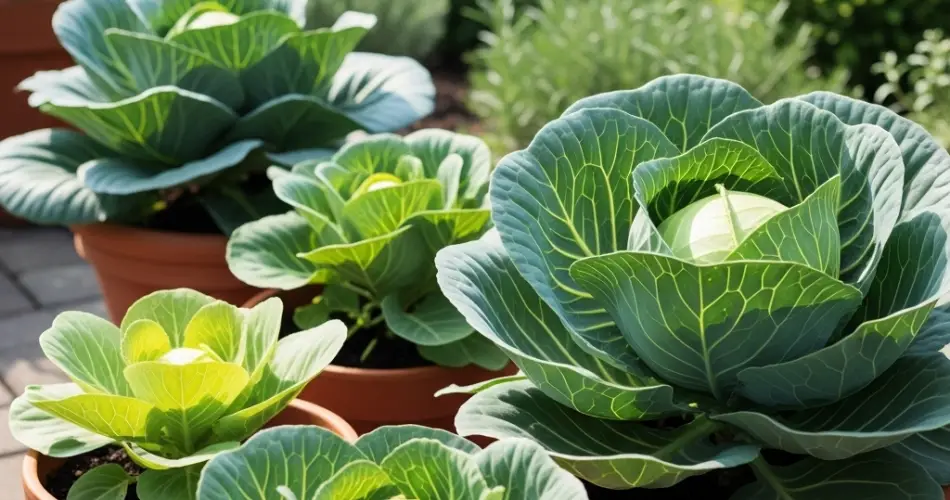
Cabbage is a nutritious, leafy vegetable that’s surprisingly well-suited for container gardening. If you live in an apartment, have a small yard, or simply want to try a neat and manageable way to grow your own food, cultivating cabbage in pots is a fantastic option. With the right container, soil, and care, you can enjoy healthy, crisp cabbage heads right from your balcony, patio, or compact garden.
Growing cabbage in containers allows you to manage space efficiently while keeping pests and diseases under better control. Plus, it’s satisfying to harvest a tight, green head that you nurtured from seed to maturity—all in a pot.
Why Grow Cabbage in Pots?
Container gardening offers many benefits, especially for leafy vegetables like cabbage:
-
Space-saving: Perfect for urban gardeners and small yards.
-
Mobility: Easily move your plants to catch more sunlight or shelter them from bad weather.
-
Pest control: Reduces exposure to soil-borne diseases and garden pests.
-
Soil management: Gives you control over the quality, pH, and drainage of the soil.
-
Cleaner harvests: Less dirt splash and minimal weeding required.
Whether you’re a beginner or experienced grower, potted cabbage is a reliable, low-maintenance crop that fits well in compact spaces.
Choosing the Right Cabbage Variety
Some cabbage varieties are better suited for containers due to their compact growth habits. Consider the following types:
-
Golden Acre: A small, round-headed cabbage that matures quickly and is great for tight spaces.
-
Red Express: A fast-growing red cabbage with a compact footprint.
-
Mini Cabbage Varieties: Varieties like “Pixie” or “Gonzales” produce small, tightly packed heads ideal for pots.
-
Savoy Cabbage: With crinkled leaves and a sweeter flavor, smaller savoy varieties also do well in containers.
Container Selection
For best results, choose a container that’s at least 12–14 inches (30–35 cm) deep and wide. Each cabbage plant needs plenty of room for its roots and head to form.
Use containers made of plastic, clay, ceramic, or grow bags, and make sure they have several drainage holes at the bottom to prevent waterlogging. You can also grow cabbage in large tubs or bins, spacing multiple plants about 12 inches apart.
Preparing the Soil
Cabbage loves rich, well-draining soil with a slightly acidic to neutral pH (around 6.0–7.0). The right soil mix can significantly improve the quality of your harvest.
Use:
-
2 parts organic potting mix
-
1 part compost or aged manure
-
Optional: Add perlite or sand to improve drainage and aeration
Before planting, mix in a balanced organic fertilizer or a slow-release granular blend to give your cabbage a strong start.
Planting Cabbage in Pots
-
Start from Seeds or Seedlings: You can either sow seeds directly into the pot or transplant young seedlings. If planting seeds, sow them ¼ inch deep and thin to one plant per pot once they develop two sets of leaves.
-
Transplant Carefully: If using seedlings, plant them at the same depth as in their nursery container. Gently firm the soil around the base and water thoroughly after transplanting.
-
Spacing: Only one cabbage plant per pot is recommended, unless you’re using a wide tub that can accommodate more.
Sunlight and Temperature Needs
Cabbage thrives in cool weather and prefers temperatures between 60–70°F (15–21°C). Choose a location that receives 6 hours or more of direct sunlight daily.
During warmer months, provide light shade during the hottest part of the day to prevent bolting or leaf scorching. In colder seasons, protect young plants from frost with covers or by moving containers to sheltered spots.
Watering and Feeding
-
Consistent moisture is key. Keep the soil evenly moist, especially as the head begins to form. Avoid overwatering, which can cause root rot.
-
Feeding: Apply a liquid organic fertilizer every 2–3 weeks. Choose one high in nitrogen for leafy growth during the early stages, then switch to a balanced or phosphorus-rich formula as the plant begins forming a head.
-
Mulching: Add straw, shredded leaves, or dry grass to the surface of the soil to help retain moisture and regulate temperature.
Pests and Diseases
Though container gardening reduces some pest problems, cabbage is still prone to:
-
Cabbage loopers and aphids: Inspect leaves regularly. Use neem oil or insecticidal soap if needed.
-
Root maggots: Use sterile soil and avoid overwatering.
-
Fungal issues: Avoid overhead watering and ensure good air circulation around your plants.
Using a mesh cover or row cover over your pots can protect young plants from moths and other insects.
Harvesting Cabbage
Cabbage is ready to harvest when the head is firm and tight to the touch and reaches the expected size for its variety—usually 70–100 days from seed or 60–80 days from transplanting.
To harvest, cut the head at the base with a sharp knife, leaving outer leaves and roots in place. If you keep the roots in the pot, the plant may produce a few smaller side heads as a bonus harvest.
Final Thoughts
Growing cabbage in pots is a rewarding and space-smart way to enjoy fresh, homegrown greens—even in the smallest outdoor areas. With a deep container, rich soil, regular watering, and plenty of light, your cabbage will thrive and produce dense, crisp heads ready for your kitchen. Whether you sauté it, ferment it, or use it fresh in slaws, container-grown cabbage brings versatility and satisfaction to your urban garden.


