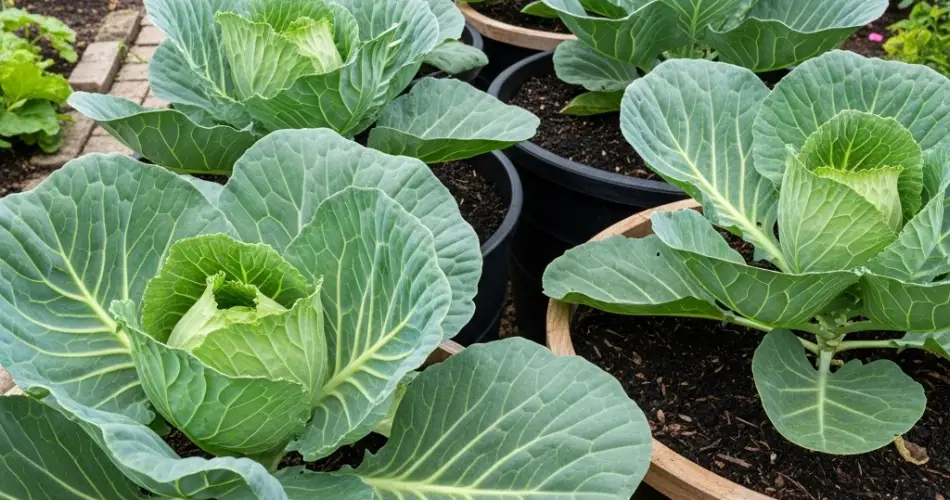
Cabbage is a nutritious, hardy vegetable that grows exceptionally well in containers when given enough room, sunlight, and care. Whether you have a backyard garden or just a sunny balcony, growing cabbage in large containers is a great way to harvest tight, compact heads without needing a traditional garden bed.
Container gardening not only saves space but also allows for better control of soil conditions and reduces problems with pests and disease. With the right approach, you can grow beautiful, healthy cabbage heads from seed or seedlings right at home.
Why Grow Cabbage in Containers?
Cabbage is a cool-weather crop that’s fairly easy to grow but requires space to develop properly. Large containers allow the plant to form full heads while giving you the flexibility to move the pot for optimal sunlight or shelter.
Key benefits of growing cabbage in containers:
-
Space-efficient – Perfect for patios, balconies, decks, and small yards
-
Fewer pests – Raised containers reduce problems with slugs and soil-borne diseases
-
Controlled environment – Easy to manage soil quality and moisture
-
Mobility – Move your plants to adjust for temperature or sunlight
-
Cleaner harvests – Heads stay off the ground, minimizing rot or dirt
With just a bit of planning and maintenance, container-grown cabbage can be a rewarding addition to your homegrown produce.
Best Cabbage Varieties for Container Growing
Not all cabbage varieties are created equal when it comes to container gardening. Smaller or compact varieties are more suitable for pots:
-
Golden Acre – A compact early variety that forms tight, round heads
-
Little Jade – Small napa-style cabbage ideal for tighter spaces
-
Early Jersey Wakefield – Pointed heads and excellent flavor
-
Red Express – Small, fast-maturing red cabbage variety
-
Pixie – Dwarf hybrid with crisp texture and tight heads
Choose varieties that mature quickly or have a compact growth habit for the best results in containers.
What You’ll Need
Before planting, gather these materials:
-
Large container (at least 12–18 inches deep and 18 inches wide) with drainage holes
-
Quality potting mix with compost or aged manure
-
Cabbage seeds or starter seedlings
-
Organic fertilizer (optional)
-
Watering can or hose with a gentle nozzle
-
Mulch (optional)
-
Pest protection netting (optional)
Step 1: Select the Right Container
Cabbage plants need plenty of room for root development and head formation. Choose a container that holds at least 5 gallons of soil. Fabric grow bags, plastic pots, wooden boxes, or large planters all work well—as long as they have good drainage.
If you’re planting more than one cabbage in a single container, space them about 12–18 inches apart.
Step 2: Prepare the Soil
Cabbage prefers rich, well-draining soil. Use a high-quality potting mix combined with compost or aged manure to provide nutrients. Avoid using plain garden soil in containers, as it can compact and reduce drainage.
Fill your container to about an inch below the rim and moisten the soil before planting.
Step 3: Planting Seeds or Seedlings
You can grow cabbage from seed or purchase young transplants. If sowing from seed, plant ¼ inch deep and keep the soil moist. Thin to one strong seedling per pot once the plants have a few true leaves.
If transplanting, dig a hole in the center of the container and plant the seedling up to the base of the first leaves. Press the soil gently around the stem and water thoroughly.
Step 4: Provide Sunlight and Water
Cabbage needs at least 6 hours of direct sunlight daily, though 8 or more is ideal for strong growth. Place your container in the sunniest spot available.
Keep the soil evenly moist. Cabbage doesn’t like to dry out, but overwatering can cause rot. Water when the top inch of soil feels dry, and avoid getting water on the leaves to prevent disease.
Step 5: Feed Your Plants
Feed your cabbage every 2–3 weeks with a balanced organic fertilizer or compost tea. When heads begin to form, switch to a fertilizer higher in potassium to support tight, firm development.
Avoid fertilizers high in nitrogen once heads start forming, as too much nitrogen can lead to loose or leafy heads.
Step 6: Pest and Disease Management
Watch for common cabbage pests like aphids, cabbage worms, and flea beetles. Handpick visible pests or use organic pest sprays like neem oil if needed.
Floating row covers or fine mesh netting can help protect young plants from insects. Good airflow and spacing also reduce the risk of fungal diseases.
Step 7: Harvesting
Cabbage is ready to harvest when the head is firm and dense to the touch. Most varieties mature in 65–90 days, depending on the type and growing conditions.
Use a sharp knife to cut the head from the stem just above the outer leaves. Remove the container after harvest or let side shoots grow for a second, smaller crop.
Final Thoughts
Growing cabbage in containers is a smart solution for small-space gardeners and anyone looking to grow fresh, healthy vegetables at home. With enough room, sunlight, and consistent care, your potted cabbage plants can produce beautiful, compact heads full of flavor and nutrition.
Whether you’re cooking stir-fry, making slaw, or fermenting your own sauerkraut, homegrown cabbage adds satisfaction and freshness to your meals—all without a traditional garden bed.


