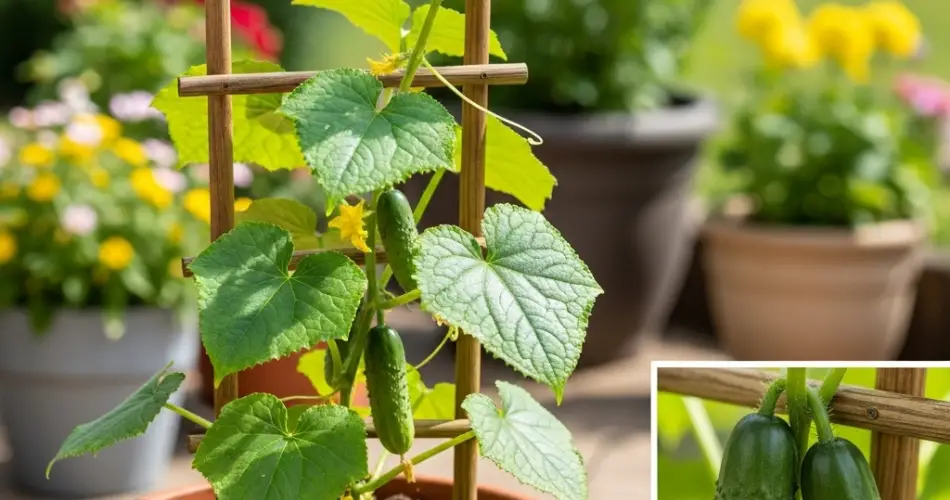
Crisp, refreshing, and fast-growing, cucumbers are a wonderful addition to any home garden—and they’re surprisingly easy to grow in pots. Whether you have a small balcony, a sunny porch, or a modest backyard, you can cultivate your own vine-fresh cucumbers with minimal space and a bit of care.
Container gardening gives you more control over growing conditions, helps minimize pests, and allows you to move your plants for optimal sunlight. With the right setup, even first-time gardeners can enjoy a bountiful cucumber harvest straight from a pot.
Why Grow Cucumbers in Pots?
Cucumbers adapt well to container gardening, especially when provided with support to climb. Here’s why pots are a smart choice:
-
Space-efficient: Ideal for balconies, patios, and small urban gardens.
-
Portable: Easily move your plant to catch more sunlight or protect from extreme weather.
-
Cleaner fruit: Keeps cucumbers off the ground, reducing blemishes and rot.
-
Fewer pests: Reduces soil-borne disease and limits exposure to ground pests.
-
Controlled environment: Allows better management of soil quality, moisture, and drainage.
Whether you grow cucumbers for salads, pickles, or refreshing drinks, a pot-grown vine can yield plenty throughout the season.
Best Cucumber Varieties for Containers
Choose compact or vining varieties that thrive in containers and produce well over time. Some great choices include:
-
Bush Champion: A compact variety perfect for pots and small spaces.
-
Patio Snacker: Specially bred for container gardening, this variety produces small, crisp cucumbers.
-
Spacemaster: Short vines with generous yields, well-suited for balconies.
-
Lemon Cucumber: A round, yellow heirloom variety that grows well with vertical support.
-
Marketmore 76: Traditional slicing cucumber with vigorous vines—ideal if you have a trellis or vertical frame.
Look for disease-resistant varieties when possible to reduce maintenance.
Choosing the Right Pot and Support
-
Pot Size: Use a container that is at least 12–18 inches (30–45 cm) deep and wide, with drainage holes at the bottom. Larger pots allow for better root development and more consistent moisture.
-
Support Structure: Cucumbers love to climb. Use a trellis, cage, bamboo stake, or vertical frame to train vines upward. This helps save space and keeps fruit clean and easy to harvest.
-
Material: Plastic, ceramic, or fabric grow bags work well, as long as they retain moisture but allow drainage.
Soil and Fertilizer
Cucumbers prefer loose, well-draining soil rich in organic matter. For a productive plant, mix:
-
2 parts high-quality potting mix
-
1 part compost or aged manure
-
Optional: a handful of perlite or coconut coir for improved drainage and moisture retention
At planting time, add a slow-release organic fertilizer to provide initial nutrients.
Planting Your Cucumbers
-
Seed or Seedling: Start with either cucumber seeds or nursery-grown seedlings. If using seeds, sow them 1 inch (2.5 cm) deep in the pot and water well. If transplanting, handle the roots gently and plant at the same depth as the original container.
-
Water Thoroughly: After planting, give the soil a deep soak to help roots establish.
-
Sunlight: Place your pot in a sunny spot with 6–8 hours of direct light daily. Cucumbers love warmth and sunshine.
Care and Maintenance
-
Watering: Cucumbers need consistent moisture to grow well. Water deeply whenever the top inch of soil feels dry. In hot weather, daily watering may be necessary. Avoid getting the leaves wet to reduce the risk of disease.
-
Feeding: Every 2–3 weeks, apply a balanced liquid fertilizer or compost tea. Once flowers and fruits appear, switch to a fertilizer higher in potassium for better fruiting.
-
Mulching: Add a layer of straw, leaves, or coco coir on top of the soil to retain moisture and prevent weed growth.
-
Training Vines: Gently guide cucumber vines up the trellis or support. Use soft ties or twine if needed to secure them.
Pollination and Fruiting
Cucumbers produce both male and female flowers. Outdoors, bees and other pollinators usually take care of pollination. If your plant is indoors or in an area with few pollinators, you can hand-pollinate by using a soft brush to transfer pollen from the male flower to the center of the female flower (which has a small swelling at the base).
Once pollinated, cucumbers grow rapidly—check your plant often to avoid oversized or overripe fruits.
Common Problems and Solutions
-
Yellowing Leaves: Often caused by overwatering or poor drainage. Ensure your pot drains properly and avoid soggy soil.
-
Powdery Mildew: A white coating on leaves—common in humid conditions. Improve air circulation and treat with neem oil if necessary.
-
Bitter Fruit: Can result from inconsistent watering or stress. Keep soil moisture steady and harvest fruits while young and tender.
Harvesting Cucumbers
Cucumbers are usually ready to pick 50–70 days after planting, depending on the variety. Harvest when they are firm, dark green, and about 6–8 inches long for slicing varieties, or smaller for pickling types.
Use scissors or garden shears to cut the fruit from the vine to avoid damaging the plant. Harvest regularly to encourage more production.
Final Thoughts
Growing cucumbers in pots is an easy and efficient way to enjoy fresh, homegrown produce—no matter the size of your space. With proper care, sunlight, and support, a single plant can produce a generous crop throughout the season. Whether you’re adding them to salads, sandwiches, or jars of homemade pickles, pot-grown cucumbers bring crisp flavor and gardening satisfaction right to your doorstep.


