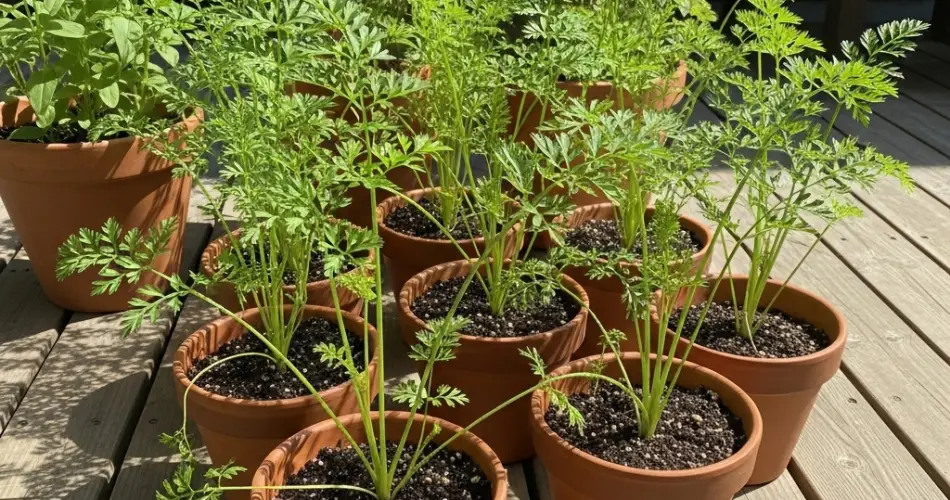
Carrots are a garden favorite known for their crisp texture, vibrant color, and sweet flavor. Although traditionally grown in garden beds, carrots can thrive in containers—provided you give them the depth they need. Using the deep container method, you can successfully grow straight, tender carrots even in the smallest urban spaces like balconies, patios, and rooftops.
Container gardening gives you more control over soil quality and drainage, two factors essential for carrot success. With the right approach, you can grow long, healthy carrots in pots and enjoy a continuous harvest throughout the cooler seasons.
Why Grow Carrots in Pots?
Growing carrots in containers offers several advantages, especially if you have limited space or poor soil conditions:
-
Control over soil quality: Carrots thrive in loose, rock-free soil. Containers let you customize the growing medium.
-
Minimized pests: Raised containers reduce issues with soil-borne pests like carrot flies and root-knot nematodes.
-
Space-saving: Ideal for compact areas, including balconies and terraces.
-
Easy access: No need to bend down too far to water, weed, or harvest.
With the deep container method, you can grow longer carrot varieties and avoid the twisted or stubby roots often caused by shallow soil.
Best Carrot Varieties for Deep Pots
Choosing the right carrot variety is important for container success. While short or round carrots work well in shallow pots, deep containers allow you to grow standard or long types too. Here are some top choices:
-
Danvers: A classic medium-length carrot with a tapered shape, great for containers 10–12 inches deep.
-
Nantes: Cylindrical and sweet with minimal core, grows well in pots at least 10 inches deep.
-
Chantenay: Shorter and thicker, perfect for mid-depth containers or beginners.
-
Imperator: Long, slender carrots that need containers at least 12–14 inches deep.
-
Paris Market: A small, round variety ideal for shallower pots or compact spaces.
Select a variety based on your container’s depth and your desired harvest size.
Choosing the Right Container
For optimal growth, choose a container that is:
-
At least 12–16 inches (30–40 cm) deep
-
Equipped with multiple drainage holes
-
Wide enough to allow 2–3 inches (5–7 cm) spacing between each plant
Use large plastic pots, terracotta containers, fabric grow bags, or repurposed buckets. Just ensure the container doesn’t trap excess water, as carrots dislike soggy soil.
Preparing the Soil
Carrots need loose, airy, and well-draining soil free from stones, which can cause roots to split or become misshapen.
Create a custom mix using:
-
2 parts high-quality potting mix
-
1 part compost or aged manure
-
Optional: Add sand or perlite to improve drainage and aeration
Avoid heavy garden soil, which may compact and hinder root development. Before planting, moisten the soil so it’s damp but not soaked.
Sowing Carrot Seeds
-
Direct Sow Only: Carrots don’t transplant well, so always sow seeds directly in the container.
-
Depth and Spacing: Sow seeds about ¼ inch (0.6 cm) deep, spacing them 2 inches (5 cm) apart.
-
Thin Seedlings: Once the seedlings are 2–3 inches tall, thin them carefully to prevent overcrowding. Use scissors to snip extra plants at the soil line rather than pulling them out, which can disturb nearby roots.
-
Label and Date: Carrot seeds can take 1–3 weeks to germinate. Keep the soil moist during this time and mark your sowing date to track progress.
Sunlight and Watering
Carrots require at least 6–8 hours of direct sunlight daily. If you’re using dark-colored containers, monitor soil temperature during summer, as it can heat up quickly and dry out faster.
-
Watering: Keep the soil evenly moist. Inconsistent watering can lead to cracked or bitter roots.
-
Mulch: Add a thin layer of straw or dry leaves to retain moisture and regulate soil temperature.
Feeding and Care
Carrots are not heavy feeders, but moderate nutrition supports steady root growth. Use:
-
A balanced liquid fertilizer (like 10-10-10) every 3–4 weeks.
-
Avoid high-nitrogen fertilizers, which promote leafy growth over root development.
Remove weeds or competing seedlings to ensure your carrots have plenty of space and nutrients.
Pest and Disease Management
While container-grown carrots have fewer problems, some pests can still appear:
-
Carrot rust fly: Use row covers or mesh to prevent egg-laying.
-
Aphids: Spray with a gentle stream of water or neem oil.
-
Fungal diseases: Ensure proper drainage and avoid overwatering.
Rotate crops each season if reusing soil, and inspect for signs of root deformities or leaf discoloration.
Harvesting Carrots
Carrots are typically ready to harvest 60–80 days after sowing, depending on variety. Check the shoulders of the carrots at the soil line to estimate size.
To harvest:
-
Gently loosen the soil around the root using your fingers or a hand trowel.
-
Pull the carrot out slowly by its base to avoid snapping.
-
Rinse off the dirt and store in the fridge or a cool, dark place.
Harvest promptly once mature to prevent the roots from becoming woody or splitting.
Final Thoughts
Pot-grown carrots using the deep container method offer a simple and satisfying way to grow fresh, sweet roots in limited space. By selecting the right container, using loose soil, and maintaining steady moisture, you can enjoy beautiful, straight carrots without needing a full garden bed. Whether you’re a city gardener or just experimenting with containers, this method is a reliable path to crunchy, homegrown success.


