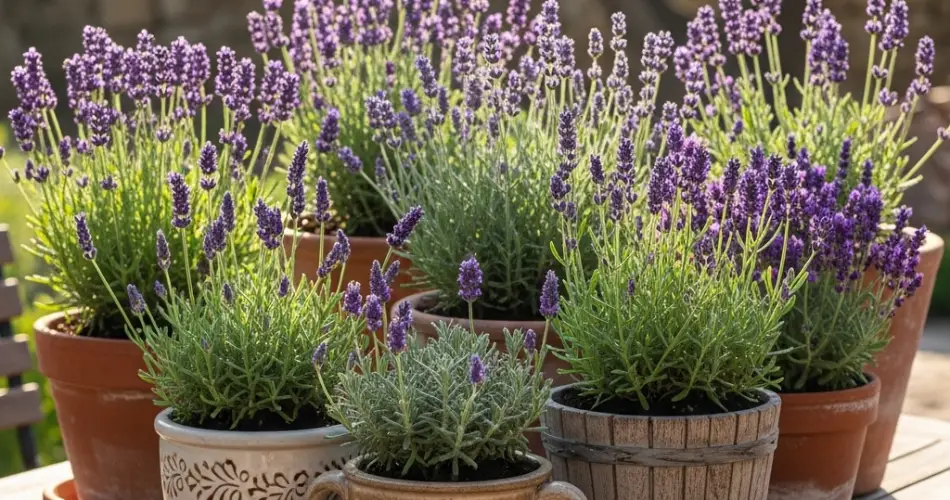
Lavender is a beloved herb known for its fragrant purple flowers, soothing aroma, and versatile uses in cooking, crafting, and aromatherapy. Growing lavender in containers is a practical choice for gardeners who want to enjoy its beauty and fragrance without requiring a large garden space. Container gardening also allows greater control over soil conditions and mobility, making it easier to care for lavender in various climates.
This article explores the best lavender varieties suited for container gardening and offers tips to help you successfully grow these aromatic plants in pots.
Why Grow Lavender in Containers?
Growing lavender in pots has several advantages:
-
Space-saving: Ideal for patios, balconies, windowsills, or small gardens.
-
Mobility: Containers can be moved to capture full sun or sheltered during extreme weather.
-
Soil Control: Lavender requires well-draining soil, and container gardening allows you to provide the perfect mix.
-
Pest Management: Easier to monitor and manage pests or diseases.
-
Aesthetic and Aromatic Appeal: Adds vibrant color and pleasant fragrance to any outdoor or indoor space.
What Makes a Lavender Variety Suitable for Containers?
Not all lavender varieties are equally suited for container growing. The ideal lavender for pots typically has:
-
Compact Growth: Smaller plants fit better in containers and require less maintenance.
-
Drought Tolerance: Lavender thrives in dry conditions and should not sit in soggy soil.
-
Hardiness: Varieties that tolerate temperature fluctuations and resist disease are preferable.
-
Fragrance and Flowering: Strongly scented flowers with long-lasting blooms enhance the container garden’s appeal.
Top Lavender Varieties for Containers
1. English Lavender (Lavandula angustifolia)
English lavender is one of the most popular and widely grown lavender types. It features dense spikes of fragrant purple flowers and gray-green foliage.
-
Size: Compact varieties like ‘Hidcote’ or ‘Munstead’ grow 12 to 24 inches tall, perfect for pots.
-
Care: Prefers full sun and well-drained soil. Hardy and drought tolerant.
-
Use: Excellent for culinary, ornamental, and aromatic purposes.
2. French Lavender (Lavandula dentata)
French lavender is known for its fringed leaves and slightly larger flowers with a distinctive scent.
-
Size: Typically grows 18 to 24 inches tall, suitable for larger pots.
-
Care: Prefers full sun, moderate watering, and well-drained soil. Less cold-hardy than English lavender.
-
Use: Popular in floral arrangements and sachets.
3. Spanish Lavender (Lavandula stoechas)
Spanish lavender has unique “rabbit ear” petals atop flower spikes and a strong fragrance.
-
Size: Compact, generally 12 to 18 inches tall, ideal for smaller containers.
-
Care: Thrives in full sun and well-draining soil but requires protection from excessive moisture.
-
Use: Adds an exotic touch to container gardens and bouquets.
4. Woolly Lavender (Lavandula lanata)
Woolly lavender features silvery, woolly leaves and soft purple flowers, adding interesting texture.
-
Size: Compact, about 12 to 18 inches tall.
-
Care: Prefers dry, sunny conditions with well-draining soil.
-
Use: Great for ornamental purposes in pots.
Choosing the Right Pot for Lavender
Lavender roots need good airflow and drainage, so selecting an appropriate container is key:
-
Size: Use pots at least 12 to 16 inches in diameter and depth to accommodate root growth.
-
Material: Terracotta or unglazed ceramic pots are ideal because they allow moisture to evaporate and prevent waterlogging.
-
Drainage: Ensure multiple drainage holes to prevent standing water.
Soil and Planting Tips
Lavender thrives in sandy, well-draining soil. Use a high-quality potting mix amended with sand, perlite, or small gravel to improve drainage.
Avoid heavy, moisture-retentive soils that encourage root rot.
When planting lavender, avoid burying the crown too deeply; the base of the stems should be just above the soil line.
Light and Water Requirements
Lavender requires full sun, ideally 6 to 8 hours daily, to bloom well and maintain compact growth.
Water newly planted lavender thoroughly, then allow the soil to dry between watering sessions. Established plants are drought tolerant and prefer dry conditions.
Overwatering is a common cause of lavender problems; ensure pots have excellent drainage and avoid waterlogging.
Pruning and Maintenance
Prune lavender lightly after flowering to maintain shape and encourage bushy growth.
Remove any dead or woody stems regularly.
Fertilize sparingly, as lavender does not require heavy feeding—apply a balanced, slow-release fertilizer once or twice a year.
Overwintering Container Lavender
In colder climates, container-grown lavender may need winter protection:
-
Move pots to a sheltered, sunny location.
-
Insulate pots with bubble wrap or mulch to protect roots from freezing.
-
Avoid overwatering during dormancy.
Benefits of Growing Lavender in Containers
-
Year-Round Enjoyment: Move plants indoors during winter for continuous enjoyment.
-
Easy Care: Lavender’s drought tolerance and pest resistance make it low maintenance.
-
Decorative: Adds beautiful color and texture to small garden spaces.
-
Aromatic: Provides natural fragrance and deters pests like mosquitoes.
-
Multipurpose: Use flowers for culinary recipes, crafts, or homemade beauty products.
Conclusion
Lavender is an excellent choice for container gardening, especially when selecting compact, hardy varieties like English, French, Spanish, or Woolly lavender. By choosing the right pot, providing well-draining soil, ensuring ample sunlight, and practicing careful watering and pruning, you can successfully grow beautiful, fragrant lavender in pots year after year.
Whether you have a small balcony or a cozy patio, container-grown lavender adds charm, fragrance, and versatility to your garden space.


