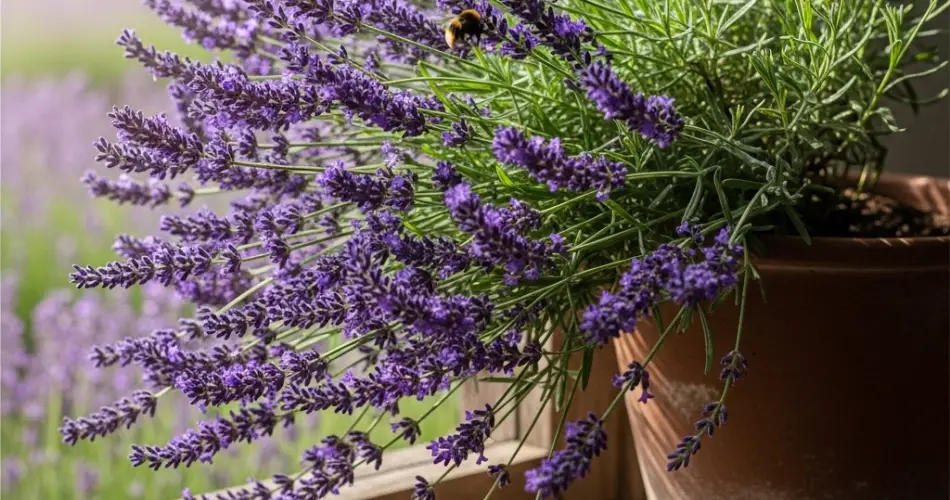
Lavender, with its fragrant purple blooms and soothing aroma, evokes the charm and beauty of the French countryside. Growing lavender in containers is a wonderful way to bring a touch of Provence into your home, balcony, or patio—even if you don’t have a traditional garden. Container gardening allows you to control soil, sunlight, and watering conditions, helping your lavender thrive and bloom abundantly. This guide covers everything you need to know to grow and care for lavender successfully in pots.
Why Grow Lavender in Containers?
Lavender is a hardy, drought-tolerant perennial native to the Mediterranean region. It thrives in well-drained soil and full sun, making it ideal for container growing because:
-
Space-Friendly: Perfect for small spaces like balconies, patios, or windowsills.
-
Portability: Containers can be moved to optimize light or shelter plants from harsh weather.
-
Control Over Soil: You can provide the well-draining soil lavender requires.
-
Aesthetic Appeal: Lavender’s graceful foliage and blooms add beauty and fragrance to any space.
Choosing the Right Lavender Variety
Not all lavender varieties are equally suited to container growing. Some of the best types for pots include:
-
English Lavender (Lavandula angustifolia): Hardy and fragrant with compact growth.
-
French Lavender (Lavandula dentata): Slightly less cold-hardy but with distinctive serrated leaves and long blooms.
-
Spanish Lavender (Lavandula stoechas): Known for its unique “rabbit ear” flower heads, ideal for containers in warm climates.
Choose a variety that suits your climate and aesthetic preferences.
Selecting the Perfect Pot
The container you choose plays a significant role in the health of your lavender:
-
Size: Select a pot at least 12-14 inches wide and deep to allow for root expansion.
-
Material: Terracotta pots are ideal because they are porous and help prevent waterlogging by allowing moisture to evaporate. Plastic pots retain moisture but need careful watering.
-
Drainage: Make sure the pot has several drainage holes to prevent root rot, as lavender is sensitive to excess moisture.
Ideal Soil for Lavender
Lavender requires soil that drains quickly and does not retain excess water:
-
Soil Mix: Use a sandy or gritty potting mix. You can mix regular potting soil with sand or perlite to improve drainage.
-
pH Preference: Lavender prefers slightly alkaline to neutral soil, with a pH between 6.7 and 7.3.
-
Nutrient Needs: Lavender doesn’t need overly rich soil. Too much fertilizer can lead to lush foliage but fewer blooms.
Planting Lavender in Containers
-
Planting: Place the lavender plant in the container, spreading roots gently. Fill the pot with your prepared soil mix, leaving about an inch of space from the top for watering.
-
Spacing: If planting multiple lavenders in one pot, space them about 8-12 inches apart to allow airflow.
-
Watering After Planting: Water thoroughly to settle the soil but avoid waterlogging.
Caring for Potted Lavender
Lavender thrives under specific care conditions:
-
Sunlight: Provide at least 6-8 hours of direct sunlight daily. Lavender loves full sun and grows best in bright, sunny spots.
-
Watering: Lavender is drought-tolerant and prefers infrequent, deep watering. Allow the soil to dry out completely between waterings.
-
Humidity: Avoid high humidity environments, which can cause fungal diseases.
-
Fertilizing: Fertilize sparingly, using a low-nitrogen fertilizer once or twice during the growing season.
Pruning and Maintenance
Proper pruning encourages healthy growth and abundant blooms:
-
Pruning: After flowering, trim back about one-third of the plant to keep it compact and encourage new growth.
-
Deadheading: Remove spent flower stalks to promote continuous blooming.
-
Winter Care: In colder climates, protect your lavender by moving pots indoors or covering them during frost periods.
Common Challenges and Solutions
-
Root Rot: Prevent by ensuring excellent drainage and avoiding overwatering.
-
Powdery Mildew: A fungal disease that can be minimized by good air circulation and avoiding overhead watering.
-
Leggy Growth: Caused by insufficient sunlight or lack of pruning. Provide more light and trim regularly.
-
Pests: Lavender is generally pest-resistant but can occasionally attract aphids or spittlebugs. Use insecticidal soap if necessary.
Benefits of Growing Lavender in Containers
-
Fragrance: Enjoy lavender’s calming scent indoors or outdoors.
-
Culinary Uses: Fresh or dried lavender can be used in cooking, baking, and herbal teas.
-
Pollinator-Friendly: Lavender attracts bees and butterflies, supporting local ecosystems.
-
Decorative Appeal: Adds color, texture, and elegance to any small space.
Tips for Year-Round Lavender Enjoyment
-
Indoor Growing: Bring potted lavender indoors during winter in cooler climates and place near a sunny window.
-
Rotate Pots: Turn pots regularly to encourage even growth.
-
Repotting: Refresh soil and repot every 2-3 years to maintain healthy roots.
Conclusion
Growing lavender in containers is a delightful way to add beauty, fragrance, and a hint of Provence to your home or garden space. By choosing the right variety, pot, and soil, and providing ample sunlight and careful watering, you can enjoy thriving lavender plants with abundant blooms. Whether you use it for decoration, cooking, or simply to enjoy its soothing scent, container-grown lavender offers a rewarding gardening experience for both beginners and seasoned plant enthusiasts.


