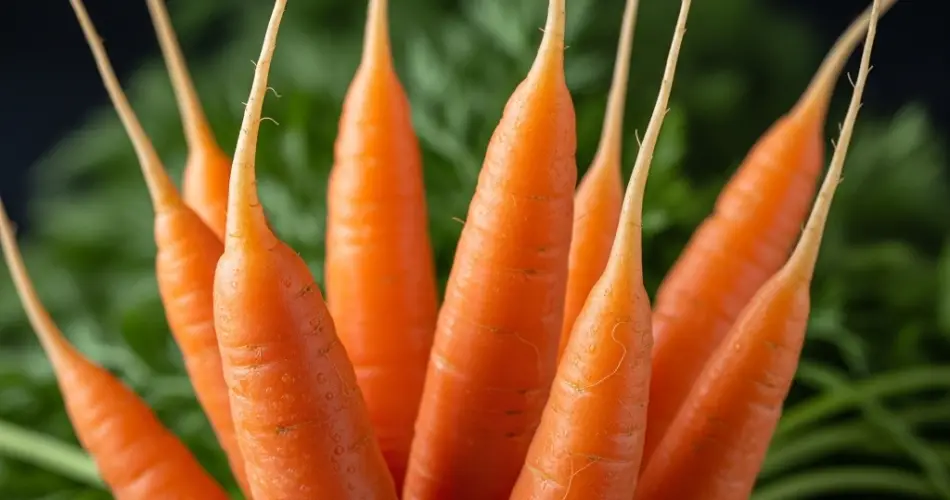
Carrots are a favorite crop in many home gardens thanks to their sweet flavor, crisp texture, and versatility. However, they’re also a magnet for certain pests that can ruin entire harvests if not managed properly. From tiny insects to underground attackers, several pests can damage carrot roots, leaves, and overall plant health.
The good news is that you don’t have to resort to synthetic chemicals to protect your carrots. With natural deterrents, companion planting, and smart garden habits, you can effectively keep pests at bay and ensure a healthy crop.
Here’s a guide to the most common carrot pests and how to naturally repel them.
1. Carrot Rust Fly (Psila rosae)
Damage:
This pest is the most destructive for carrot growers. Adult flies lay eggs near the base of carrot plants. Once hatched, larvae burrow into the roots, causing brown tunnels and rot. Infected carrots often become deformed and inedible.
Natural Solutions:
-
Floating row covers: Install these right after sowing to prevent adult flies from laying eggs.
-
Delay planting: Wait until late spring or early summer to sow, as carrot rust flies are most active in early spring.
-
Interplant with onions, leeks, or chives: These aromatic companions help mask the carrot scent and repel rust flies.
-
Avoid thinning in the evening: The smell released during thinning attracts the flies. Thin in the morning and water right after.
2. Aphids
Damage:
These tiny insects suck sap from carrot leaves, causing curling, yellowing, and stunted growth. They can also transmit viruses.
Natural Solutions:
-
Spray with diluted neem oil or insecticidal soap.
-
Attract ladybugs and lacewings, which feed on aphids.
-
Plant marigolds or nasturtiums nearby—they act as trap crops, drawing aphids away from your carrots.
-
Remove by hand or with a strong spray of water to knock them off the plants.
3. Cutworms
Damage:
Cutworms are larvae that chew through young carrot seedlings at the soil line, often killing the plant before it gets established.
Natural Solutions:
-
Create collars from cardboard or toilet paper rolls to protect seedlings.
-
Clear plant debris from the garden, where cutworms like to hide.
-
Sprinkle crushed eggshells or coffee grounds around seedlings to deter crawling larvae.
-
Encourage birds in your garden—they help keep cutworm populations in check.
4. Wireworms
Damage:
Wireworms (larvae of click beetles) bore into carrot roots, leaving unsightly holes and reducing storage quality.
Natural Solutions:
-
Rotate crops and avoid planting carrots in areas recently used for grasses or grains, which attract wireworms.
-
Use bait traps: Place pieces of potato underground. After a few days, remove them along with any wireworms.
-
Till soil before planting to expose larvae to predators and sun.
5. Root-Knot Nematodes
Damage:
These microscopic pests invade carrot roots, causing galls or swelling that result in deformed carrots and reduced yield.
Natural Solutions:
-
Plant marigolds (Tagetes spp.) as a trap crop to reduce nematode populations.
-
Add compost and organic matter to boost beneficial microorganisms that suppress nematodes.
-
Solarize the soil before planting by covering the garden bed with clear plastic for 4–6 weeks in the hottest months.
-
Rotate crops and avoid planting carrots in the same bed year after year.
6. Slugs and Snails
Damage:
These pests primarily attack young carrot seedlings, eating the tender leaves and stems.
Natural Solutions:
-
Use crushed eggshells, diatomaceous earth, or copper tape around plants to create barriers.
-
Place shallow dishes of beer in the garden to trap slugs.
-
Remove mulch near young seedlings where slugs often hide.
-
Handpick slugs at dusk or early morning.
Additional Tips for Natural Pest Prevention
-
Practice crop rotation: Replanting carrots in the same location every year can encourage pest buildup.
-
Avoid over-fertilizing: Especially with nitrogen, as this attracts aphids and leads to lush but vulnerable growth.
-
Keep your garden clean: Remove plant debris, weeds, and rotting vegetables, which can harbor pests.
-
Maintain proper spacing: Crowded plants can create humid conditions, making it easier for pests and diseases to spread.
-
Use trap crops: Plant radishes nearby to lure pests like root maggots and flea beetles away from your carrots.
Final Thoughts
Pests are an inevitable part of gardening, but they don’t have to ruin your carrot crop. By understanding which pests are likely to strike and how to naturally deter them, you can grow healthy, vibrant carrots without reaching for synthetic pesticides. A combination of companion planting, physical barriers, and good garden hygiene goes a long way in keeping your soil—and your harvest—thriving.


