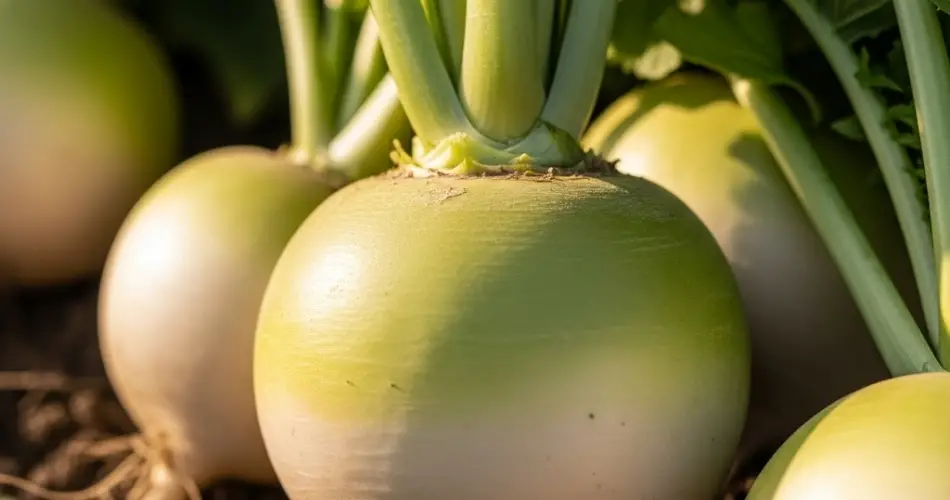
Using turnips in crop rotation is a smart and effective way to improve your soil’s health while boosting the productivity of your garden. These fast-growing root vegetables not only provide nutritious food but also contribute to breaking pest and disease cycles and enriching the soil with organic matter. If you want to make the most of your garden space while improving its long-term fertility, incorporating turnips into your crop rotation is an excellent strategy.
Why Use Turnips in Crop Rotation?
Turnips belong to the Brassica family, which includes other vegetables such as cabbage, broccoli, and kale. Like many members of this group, turnips grow quickly and can help interrupt cycles of pests and soilborne diseases that tend to affect other crops. Additionally, the dense leaf growth of turnips shades out weeds, reducing competition and minimizing the need for weeding.
Their root system improves soil structure by loosening compacted soil and allowing water and air to penetrate more easily. Moreover, turnip foliage, when left to decompose in the soil or added to compost, contributes organic matter that enhances soil fertility.
Best Time to Plant Turnips
Turnips are cool-season crops and can be planted either in early spring or late summer for a fall harvest. For crop rotation purposes, consider planting them after a heavy feeder crop like corn or tomatoes. Turnips grow quickly, usually maturing in 30 to 60 days, so they’re ideal for filling in the garden between main growing seasons.
Where Turnips Fit in the Rotation Cycle
Crop rotation works best when vegetables from different plant families are rotated through different beds over a 3- or 4-year cycle. A typical rotation plan might look like this:
-
Year 1: Legumes (beans, peas)
-
Year 2: Leafy crops (lettuce, spinach)
-
Year 3: Fruiting crops (tomatoes, peppers)
-
Year 4: Root crops (turnips, carrots, beets)
You can introduce turnips in the root crop year. However, since they are also in the Brassica family, it’s important not to plant them in the same bed where you previously grew other Brassicas, such as cabbage or broccoli, to avoid disease buildup.
Benefits to Soil from Turnips
-
Soil Aeration: Turnip roots break up compacted soil and improve drainage.
-
Organic Matter: When turnip tops are chopped and left to decompose, they add valuable biomass to the soil.
-
Weed Suppression: Their leafy tops create a dense canopy that prevents sunlight from reaching weed seeds.
-
Nutrient Cycling: Turnips help absorb nutrients from deeper layers of the soil and make them available to shallower-rooted plants in subsequent plantings.
Managing Pests and Diseases
Though turnips help disrupt some pest cycles, they are still susceptible to pests like flea beetles, aphids, and root maggots. To keep pests under control, use row covers in the early stages of growth, encourage beneficial insects, and practice proper sanitation by removing old plant debris.
It’s crucial to space out Brassicas in your crop rotation to reduce the risk of clubroot and other soilborne diseases. If you experience a disease outbreak, it may be wise to extend the rotation period to five or six years before planting another Brassica in the same location.
Cover Cropping with Turnips
Turnips are also used as cover crops in no-dig or conservation gardening systems. Gardeners and farmers grow them not for harvest but for the purpose of soil improvement. In this context, they’re known as “green manure.” After the turnips mature, they are tilled or chopped back into the soil to decompose naturally, enhancing soil texture and increasing microbial activity.
Final Thoughts
Including turnips in your crop rotation isn’t just about growing a root vegetable—it’s a sustainable technique to maintain and even enhance the quality of your soil. Whether you harvest them for the table or grow them as green manure, turnips are versatile and beneficial contributors to any organic gardening plan.
By planning your crop rotation carefully and incorporating turnips at the right time, you’ll reduce pest pressure, enhance soil fertility, and enjoy healthier crops throughout the growing seasons.


