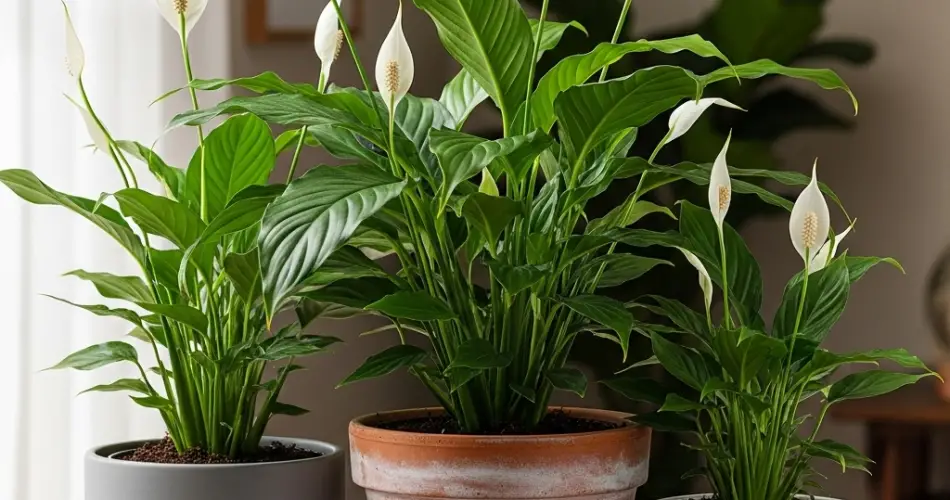
The peace lily (Spathiphyllum) is a popular indoor plant known for its graceful white blooms and lush, dark green foliage. Not only is it visually appealing, but it is also excellent at purifying indoor air. With the right potting mix, proper watering habits, and appropriate light conditions, your peace lily can thrive for years. This guide will walk you through the essential care steps to keep your plant healthy and vibrant.
Choosing the Right Pot
When selecting a pot for your peace lily, opt for one with drainage holes at the bottom. This prevents excess water from pooling around the roots, which can cause rot. A pot that is one to two inches larger than the plant’s current root ball is ideal, giving the roots room to expand without overwhelming them with too much soil. Plastic, ceramic, or terracotta pots all work well, but be mindful that terracotta dries out faster than plastic or glazed ceramic.
Ideal Soil Mix
Peace lilies prefer a light, airy, and well-draining potting mix. A standard houseplant potting soil works well, especially when amended with materials that improve aeration. A good mixture would be:
-
2 parts standard potting soil – for nutrients and structure
-
1 part perlite or coarse sand – for drainage and airflow
-
1 part peat moss or coco coir – to retain moisture without becoming waterlogged
This combination ensures that the soil stays moist but never soggy, creating an environment where roots can breathe and absorb nutrients effectively.
Potting and Repotting
Repot your peace lily every 1–2 years or when you notice roots growing out of the drainage holes. The best time to repot is during spring, when the plant is actively growing. Gently loosen the root ball before placing it into the new pot with fresh soil. Avoid compacting the soil too tightly—firm it just enough to hold the plant upright.
Watering Guidelines
One of the most common mistakes with peace lilies is overwatering. These plants like consistently moist soil but should never sit in water. A good approach is to water when the top inch of soil feels dry to the touch. Use room-temperature water, as cold water can shock the roots.
Peace lilies are sensitive to chlorine and other chemicals found in tap water. If possible, use filtered, distilled, or rainwater. Alternatively, you can let tap water sit out for 24 hours before using it, allowing the chlorine to dissipate.
A unique trait of peace lilies is their way of signaling thirst—when they need water, their leaves droop noticeably. While this is a reliable reminder, try not to wait until the plant wilts frequently, as repeated wilting can stress the plant.
Light Requirements
Peace lilies are known for their ability to tolerate low light, making them suitable for offices or rooms without bright sunlight. However, for the best growth and regular blooming, provide bright, indirect light. An east-facing window is ideal, or you can place the plant a few feet back from a south- or west-facing window.
Avoid direct sunlight, as it can scorch the leaves, leaving unsightly brown patches. In very low light, the plant may still survive but will produce fewer flowers.
Temperature and Humidity
Peace lilies thrive in warm, humid environments. Keep them in a spot with temperatures between 65°F and 80°F (18°C to 27°C). Protect them from cold drafts and sudden temperature drops, which can cause leaf damage.
Because they originate from tropical forests, peace lilies appreciate higher humidity levels. You can boost humidity by misting the leaves regularly, placing the pot on a pebble tray filled with water, or grouping plants together.
Fertilizing
Feed your peace lily every 6–8 weeks during the growing season (spring and summer) with a balanced, water-soluble houseplant fertilizer diluted to half strength. Over-fertilizing can cause brown leaf tips, so err on the side of underfeeding. Reduce feeding in fall and winter when growth slows.
Common Problems and Solutions
-
Brown leaf tips: Often caused by over-fertilizing, low humidity, or chlorine in the water. Adjust watering habits and consider using filtered water.
-
Yellow leaves: May indicate overwatering or poor drainage. Check the soil and pot for proper water flow.
-
Lack of flowers: Usually due to insufficient light. Move the plant to a brighter location with indirect sunlight.
Cleaning and Maintenance
Dust can accumulate on peace lily leaves, reducing their ability to photosynthesize. Wipe the leaves gently with a damp cloth every few weeks to keep them clean and glossy. This also helps you spot pests like spider mites, mealybugs, or aphids early.
Final Thoughts
A peace lily is both beautiful and forgiving, making it an excellent choice for beginner and experienced plant enthusiasts alike. By providing the right soil, watering routine, and light conditions, you’ll enjoy lush greenery and elegant white blooms throughout the year. With minimal effort and attention to its needs, your peace lily can become a long-lasting, vibrant feature in your home.


