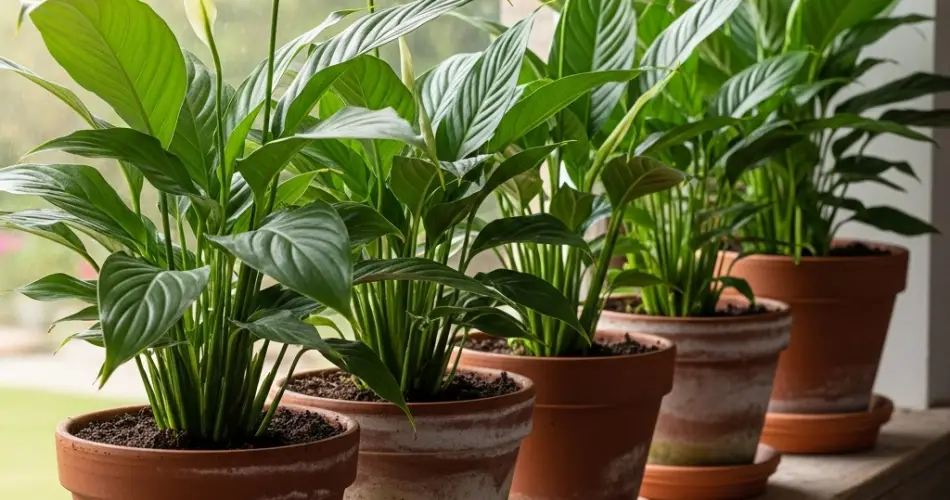
The peace lily (Spathiphyllum) is one of the most beloved indoor plants for its graceful white blooms, glossy green leaves, and air-purifying qualities. While it is often recommended for beginners, this plant still has its preferences—especially when grown in a container. By understanding its light, water, soil, and general care needs, you can enjoy a peace lily that thrives and flowers consistently year-round.
Choosing the Right Container
Container selection is more important than it may seem. Peace lilies prefer a slightly snug fit for their roots, so avoid pots that are much larger than the plant’s root ball. A pot that’s just one or two inches wider than the roots will encourage healthy growth without promoting excessive moisture retention, which can lead to root rot.
Drainage is critical. Always select a container with drainage holes at the bottom. Peace lilies dislike sitting in waterlogged soil, and a pot without drainage can cause the roots to suffocate. If you choose a decorative container without holes, use it as an outer cover and place the plant in a smaller, well-draining pot inside it.
Light Requirements
Peace lilies are shade-loving plants in their native tropical habitats, growing under the canopy of larger trees. Indoors, they adapt well to low-light spaces, but to encourage blooming, place them in bright, indirect light. Direct sunlight can scorch the leaves, leaving brown patches, while too little light can cause slow growth and fewer flowers.
A good placement is near a window with filtered sunlight—such as one covered with sheer curtains. If you notice the plant’s leaves turning pale or drooping despite regular care, it may be asking for a bit more light.
Watering Routine
One of the most common mistakes in peace lily care is overwatering. While these plants do appreciate consistently moist soil, they do not tolerate soggy conditions. Water when the top inch of the soil feels dry to the touch. A peace lily will often signal its thirst by slightly drooping its leaves, which is a helpful visual cue for beginners.
When watering, do so thoroughly until excess water drains out the bottom of the pot. Discard any water left in the saucer after 10–15 minutes to prevent root rot. If your tap water contains high levels of chlorine or fluoride, consider using filtered or distilled water to avoid leaf tip browning.
Soil and Fertilization
A well-draining, nutrient-rich potting mix is essential. A standard indoor plant mix works well, especially when enriched with peat moss or coco coir to retain just enough moisture. Adding perlite can improve drainage and prevent compaction.
Peace lilies benefit from regular feeding during the growing season. Apply a balanced, water-soluble houseplant fertilizer once a month from spring through early autumn. Avoid over-fertilizing, as excess salts can damage the roots and burn the leaves. During the plant’s slower growth period in winter, feeding can be reduced or paused entirely.
Humidity and Temperature
Native to tropical regions, peace lilies appreciate warmth and humidity. Keep them in temperatures between 18°C and 27°C (65°F to 80°F) and away from cold drafts or direct airflow from heaters and air conditioners.
If your indoor air is dry, especially during winter heating, increase humidity by misting the leaves, placing the plant on a pebble tray with water, or grouping it with other houseplants. This not only prevents leaf browning but also supports healthier growth.
Pruning and Maintenance
Peace lilies require minimal pruning, but removing spent blooms and yellowing leaves will keep the plant looking fresh. Use clean, sharp scissors to cut the flower stalks at the base once the blooms fade. This directs the plant’s energy toward producing new leaves and flowers.
Dust can accumulate on the broad leaves, blocking light absorption. Wipe them gently with a damp cloth every few weeks to maintain their glossy appearance and allow them to breathe more easily.
Repotting for Continued Growth
Even though peace lilies enjoy slightly tight roots, they will eventually outgrow their container. Every 1–2 years, check if the roots are circling the bottom or pushing up from the soil surface—both signs it’s time to repot.
When repotting, choose a container just one size larger and refresh the potting mix. This will give the plant a nutrient boost and room to spread its roots. Early spring is the best time for repotting, as it coincides with the plant’s active growth phase.
Encouraging Blooms
Peace lilies naturally flower in spring and early summer, but with the right care, they can bloom at other times as well. Bright, indirect light is the most important factor. Combine this with consistent watering, proper feeding, and the right pot size, and your plant will reward you with its signature white spathes.
If your peace lily is healthy but not blooming, try moving it to a slightly brighter location or refreshing its soil and fertilizer schedule. Sometimes, a little environmental adjustment is all it takes to trigger flowering.
Final Thoughts
A peace lily in a container can be an elegant, low-maintenance centerpiece for your home. By choosing the right pot, providing the ideal balance of light and moisture, and maintaining a steady care routine, you can keep this plant lush, vibrant, and blooming.
With the right attention, your peace lily won’t just survive indoors—it will thrive, filling your space with beauty and a touch of tropical elegance year after year.


