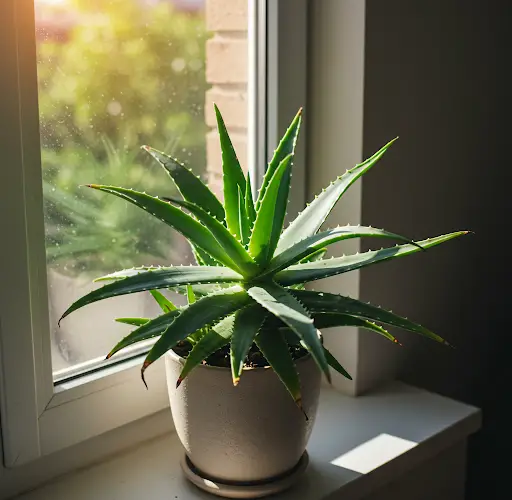
Aloe vera is one of the easiest plants to care for, yet there are some essential tricks to help it grow quickly and produce plenty of offspring. If you are growing aloe vera at home, paying attention to a few important details will ensure that your plant remains healthy, strong, and full of new shoots. Here are six key tips to help your aloe vera thrive.
1. Avoid Propagation by Leaf Cutting
One of the most common mistakes people make when trying to propagate aloe vera is cutting a leaf and attempting to grow a new plant from it. There are numerous videos online suggesting this method, but through experiments, it has been proven that aloe vera does not successfully propagate this way. Since aloe vera leaves contain a large amount of gel, it is extremely difficult for a new plant to develop from a leaf cutting. Instead, the best way to reproduce aloe vera is to focus on the natural offshoots that grow from the base of the plant.
2. Proper Light Exposure
Aloe vera thrives in bright light, so positioning your plant correctly is crucial. If you are growing aloe vera indoors, place it near a windowsill where it receives plenty of indirect sunlight. However, direct exposure to intense sunlight, especially for homegrown aloe vera, can be harmful. Too much sun can cause the leaves to turn yellow and the gel inside to shrink. If you notice this happening, move your plant to a location where it gets bright but indirect sunlight.
There are two main types of aloe vera: one that is typically grown indoors and another that thrives outdoors. If you have an outdoor aloe vera plant, ensure that it receives only morning or afternoon sun, avoiding the harsh midday heat. Overexposure to the sun can cause the leaves to dry out and turn brown. A well-lit but shaded area will keep the leaves green and full of gel.
3. Maintain the Right Temperature
Temperature plays a vital role in aloe vera growth. The ideal room temperature for aloe vera is between 13°C and 27°C. Avoid placing your plant in extremely cold or hot environments. If an aloe vera plant is exposed to cold temperatures for an extended period, the gel inside the leaves will diminish, and the plant will struggle to survive. If you notice your plant looking weak due to cold exposure, relocate it to a warmer spot as soon as possible.
Similarly, excessive heat can be damaging. If you are growing aloe vera in your garden, avoid placing it in direct sunlight during the peak hours of the day, especially in the summer. Instead, choose a location where it will receive only partial sunlight. This will allow the gel inside the leaves to stay rich and healthy.
4. Choose the Right Soil
Soil selection is a crucial factor in ensuring that your aloe vera plant grows well. Each plant species has different soil requirements, and aloe vera thrives in well-draining soil. A mixture of peat, perlite, and clay balls is ideal. You can also add a small amount of sand to improve drainage.
Cactus soil is a great option for aloe vera, as it typically contains the perfect combination of perlite, clay, sand, and peat. If you use regular garden soil, it may retain too much moisture, leading to root rot and stunted growth. To ensure that your aloe vera roots develop properly, always opt for soil that is light, airy, and well-draining.
5. Select the Right Pot
Choosing the right pot for your aloe vera plant is just as important as selecting the correct soil. Always use a pot with multiple drainage holes to allow excess water to escape. The pot size should also be appropriate for the plant’s root system. A smaller pot encourages faster growth and prevents overwatering issues.
If the pot is too large, the soil may remain wet for too long, leading to root rot. Aloe vera has a relatively small root system, but its growth rate increases when placed in a slightly confined space. A properly sized, well-draining pot will help your aloe vera flourish.
6. Proper Watering Techniques
One of the most important aspects of aloe vera care is watering. Aloe vera does not like excessive moisture, and overwatering can be fatal. The best rule of thumb is to water only when the soil is completely dry. If you water too frequently, the roots will rot, causing irreversible damage to the plant.
To check if your aloe vera needs water, simply touch the soil. If it feels dry, it’s time to water. If the soil is still damp, wait a few more days before watering again. Unlike many plants, aloe vera can survive long periods without water. In fact, it thrives when allowed to dry out between watering sessions.
7. Fertilizing Aloe Vera for Rapid Growth
Although aloe vera can grow well without frequent fertilization, providing occasional nutrients will encourage faster growth and healthier leaves. You can use store-bought fertilizers or natural homemade fertilizers such as eggshell water, banana peel water, or rice water. These natural alternatives provide essential nutrients that help the plant grow strong and produce more offshoots.
Fertilizing once a month is usually sufficient. Avoid over-fertilizing, as too many nutrients can lead to weak and leggy growth. A balanced feeding routine will ensure that your aloe vera plant remains vibrant and productive.
Conclusion
By following these six essential tips, you can help your aloe vera plant grow quickly, stay healthy, and produce plenty of offspring. The key to success lies in providing the right amount of light, maintaining an optimal temperature, selecting the right soil and pot, watering correctly, and using fertilizers in moderation. Aloe vera is a resilient plant, and with the right care, it will thrive for years to come. Whether you are a beginner or an experienced plant enthusiast, these guidelines will help you enjoy the benefits of growing aloe vera in your home or garden.


