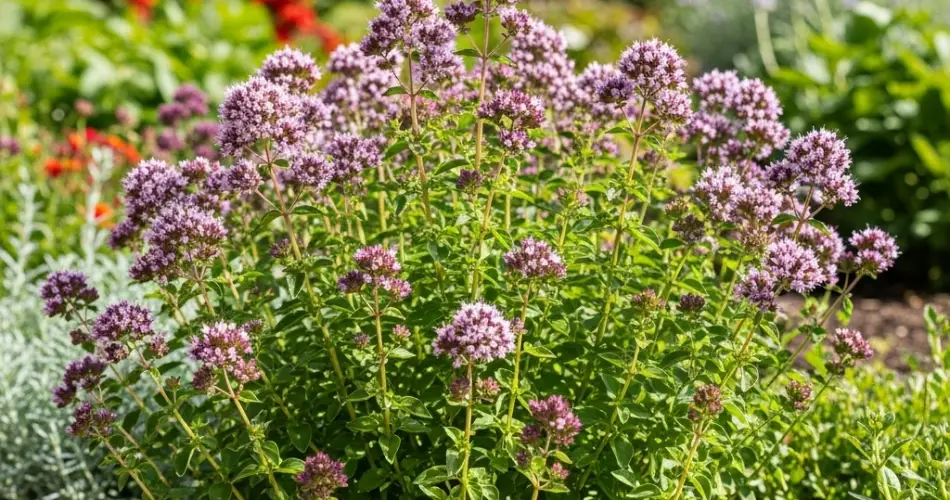
Oregano is one of the easiest and most rewarding herbs to grow at home. Known for its bold, earthy flavor, oregano is a staple in Mediterranean and Italian cuisine, making it a favorite among home cooks and gardeners alike. Whether you have a garden plot, a balcony, or just a sunny windowsill, oregano can thrive with very little maintenance—making it perfect for beginners.
This guide will walk you through everything you need to know to grow healthy, flavorful oregano from planting to harvest.
Why Grow Oregano?
Oregano (Origanum vulgare) is a hardy perennial herb, meaning it can grow year after year in the right conditions. It’s drought-tolerant, resists pests and diseases, and adds beautiful texture to both herb gardens and ornamental borders. Beyond its culinary use, oregano also contains compounds believed to have antibacterial and anti-inflammatory properties.
Choosing the Right Variety
There are several oregano varieties, but the most common ones for home gardens include:
-
Greek oregano (Origanum vulgare subsp. hirtum): This is the classic culinary type with strong aroma and flavor.
-
Italian oregano: A hybrid between oregano and marjoram, offering a milder taste.
-
Golden oregano: Grown more for its ornamental appeal than its flavor, it has yellow-green leaves and looks great in landscaping.
For cooking, Greek oregano is typically the best choice due to its robust flavor.
Starting Oregano: Seeds vs. Cuttings
You can grow oregano either from seeds or cuttings.
-
From seed: Start seeds indoors 6–10 weeks before the last frost or sow them directly in the garden when the soil warms. Lightly press seeds into the soil but don’t cover them—oregano needs light to germinate. Germination usually takes 7 to 14 days.
-
From cuttings: You can also propagate oregano by taking a cutting from an established plant. Place the cutting in water or moist potting mix, and it should root within a couple of weeks.
Choosing a Planting Site or Container
Oregano loves warmth and sun. Choose a location that receives at least 6 hours of direct sunlight daily. If planting in the garden, select a spot with well-draining soil. In containers, use a light, sandy potting mix to mimic the herb’s native Mediterranean conditions.
Container Tips:
-
Use a pot with drainage holes.
-
Choose a container that’s at least 6 inches deep.
-
Avoid overly rich soil; oregano prefers lean soil that’s not too fertile.
Watering and Feeding
Oregano doesn’t need much water. In fact, too much moisture can cause root rot and poor flavor development.
-
Water only when the top inch of soil is dry.
-
Avoid overwatering, especially in cooler months or if grown indoors.
Fertilizing is generally unnecessary. Over-fertilizing oregano can actually reduce its flavor intensity. If needed, feed with a diluted, balanced fertilizer once or twice during the growing season.
Pruning and Harvesting
Regular pruning keeps oregano healthy and encourages bushier growth.
-
Pinch off the tips when the plant reaches about 4 inches tall.
-
Trim back regularly during the growing season to prevent flowering, which can make the leaves bitter.
-
Once your plant is well established, you can begin harvesting by cutting the stems just above a set of leaves.
To dry oregano, hang small bunches upside down in a warm, dry space with good air circulation. Once the leaves are fully dry, strip them from the stems and store in airtight containers.
Dealing with Pests and Diseases
Oregano is relatively pest- and disease-resistant, but a few issues can occur:
-
Aphids and spider mites may appear. Use insecticidal soap or simply rinse the plant with water.
-
Powdery mildew can develop in overly damp conditions or if airflow is poor. Improve ventilation and avoid overhead watering.
Keeping the plant dry and trimmed helps prevent most issues.
Winter Care
In mild climates, oregano can survive winter outdoors. Mulch around the base of the plant in late fall to protect roots from frost. In colder areas, consider bringing potted oregano indoors for the winter. Place it in a sunny window and reduce watering during dormancy.
Companion Planting
Oregano is a good companion plant for vegetables such as peppers, beans, and tomatoes. Its strong scent helps deter pests like cabbage moths and aphids. In the garden, plant it near crops you want to protect naturally.
Final Thoughts
Growing oregano is a simple and satisfying experience, even for beginner gardeners. With minimal care, you can enjoy a steady supply of this flavorful herb year-round. Its drought-tolerance, low maintenance needs, and pest resistance make it a fantastic addition to any herb garden, raised bed, or sunny kitchen windowsill.
Whether you’re adding it to pizza, pasta, marinades, or meat dishes, fresh homegrown oregano will always bring a burst of flavor—and pride—to your cooking.


