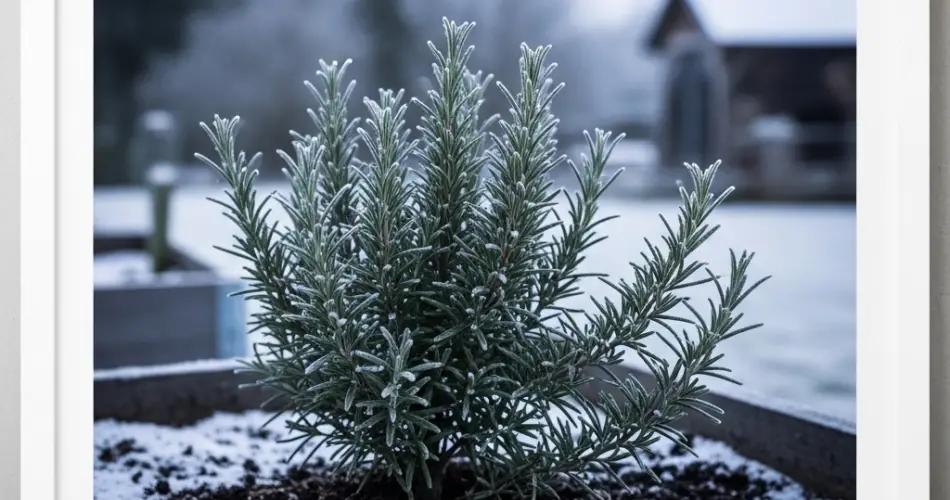
Rosemary (Rosmarinus officinalis) is a fragrant, evergreen herb prized for its culinary, medicinal, and ornamental uses. Native to the Mediterranean, it thrives in warm, sunny, and dry conditions. But what if you live in a colder climate? Can you still enjoy this versatile herb year-round? The answer is yes—with the right strategies, rosemary can survive and even thrive in chillier environments. Here’s everything you need to know about growing rosemary in cold climates.
Understanding Rosemary’s Cold Tolerance
Rosemary is a tender perennial, which means it can live for several years in the right conditions. However, its cold hardiness depends on the variety and growing method:
-
Hardiness Zones: Rosemary is hardy in USDA Zones 8–10. In these regions, it can stay outdoors year-round.
-
Cold Sensitivity: In colder zones (7 and below), rosemary will suffer damage or die if left unprotected outdoors through the winter.
That said, certain varieties, such as ‘Arp’, ‘Hill Hardy’, and ‘Madeline Hill’, are known for better cold tolerance and may survive brief dips below 20°F (-6°C) if properly protected.
Choosing the Right Variety
If you’re serious about growing rosemary where winters are harsh, choose a cold-hardy cultivar:
-
‘Arp’ – Hardy to Zone 6, this is one of the most cold-tolerant varieties. It has pale green leaves and a strong pine-like scent.
-
‘Hill Hardy’ – Another Zone 6 variety, also known as ‘Madeline Hill’, it produces blue flowers and has good resistance to winter dieback.
Selecting a variety suited to your climate greatly increases your chances of success.
Tips for Growing Rosemary Outdoors in Cold Climates
If you want to keep rosemary in the ground through winter, consider these protective measures:
1. Choose the Right Location
Plant rosemary in a south-facing spot near a wall or structure that reflects sunlight and offers shelter from wind. Good air circulation helps prevent fungal problems, but protection from harsh winter winds is critical.
2. Improve Drainage
Rosemary hates soggy soil. Wet roots combined with freezing temperatures are a recipe for disaster. Amend the soil with sand or grit to improve drainage, and plant on a slight mound to keep roots dry.
3. Apply Mulch Generously
After the first frost, mulch heavily around the base of the plant using straw, pine needles, or dry leaves. This insulates the root zone and reduces freeze-thaw cycles that can stress the plant.
4. Cover During Extreme Cold
For severe cold spells, cover the plant with a frost blanket, burlap, or a cloche. Avoid using plastic, which can trap moisture and cause rot.
Growing Rosemary in Containers for Winter Protection
The easiest way to grow rosemary in cold climates is to plant it in a container and move it indoors for the winter.
1. Choose the Right Pot
Use a pot with good drainage holes and high-quality potting mix. Clay or terracotta pots help prevent overwatering but may need insulation in freezing temps.
2. Bring It Inside Before Frost
Move rosemary indoors before the first hard frost. Place it in a bright location—ideally a sunny windowsill that gets at least 6–8 hours of light per day.
3. Provide Supplemental Light
In low-light areas, use a grow light to keep the plant healthy and prevent legginess. Position the light 6–12 inches above the plant and run it for 12–14 hours a day.
4. Water Carefully
Indoors, rosemary needs less water than in summer. Let the top inch of soil dry before watering again. Overwatering is the most common way to kill rosemary in winter.
5. Keep Humidity Moderate
Dry indoor air can cause rosemary to suffer. Increase humidity with a tray of water and pebbles, or mist occasionally—but avoid overdoing it, as too much moisture can lead to mildew.
Pruning and Maintenance During Winter
-
Trim sparingly indoors to shape the plant and encourage bushiness.
-
Remove any dead or damaged stems after overwintering to promote fresh growth in spring.
-
Once temperatures consistently stay above 50°F (10°C), harden off your rosemary by gradually reintroducing it to outdoor conditions.
Common Cold-Weather Rosemary Issues
-
Leaf drop: Often due to sudden temperature changes or overwatering indoors.
-
Powdery mildew: Caused by poor air circulation and high humidity—trim affected leaves and improve airflow.
-
Root rot: More common in containers with poor drainage or plants left in wet soil outdoors during cold weather.
Prevent these problems with careful attention to drainage, watering, and air circulation.
Conclusion
With the right preparation and care, growing rosemary in cold climates is absolutely possible. Whether you choose to overwinter your plant indoors or protect it outdoors with mulch and frost covers, you can enjoy fresh rosemary all year long. Select a hardy variety, monitor soil moisture, and protect your plant from freezing temperatures to ensure it survives winter and returns stronger in spring.


