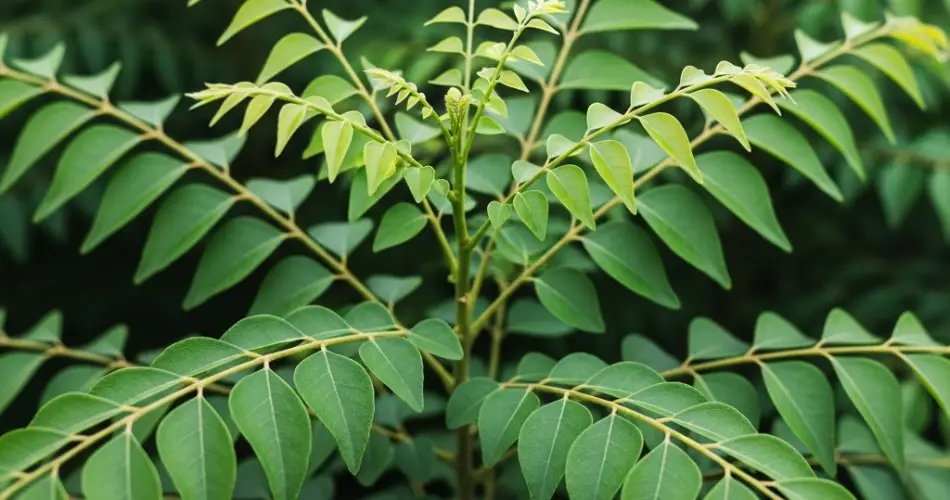
In the vast world of herbs and plants, some stand out not only for their unique aroma and culinary use but also for their versatility and numerous health benefits. One such plant is the curry plant (Helichrysum italicum). Surprisingly, only about 1.7% of people keep this aromatic herb at home, but it is fast gaining popularity among urban gardeners and cooking enthusiasts alike.
If you’re looking for a plant that adds flavor, fragrance, and practical benefits to your home garden, the curry plant deserves your attention. Here’s everything you need to know about this remarkable herb, how to grow it, and why it’s a valuable addition to your green space.
What Is the Curry Plant?
Despite its name, the curry plant is not the same as the curry powder or curry leaf plant commonly used in Indian cuisine. The curry plant, scientifically known as Helichrysum italicum, is native to the Mediterranean region and is well known for its strong, pleasant fragrance that resembles curry powder.
This evergreen shrub produces silvery-gray leaves and small yellow flowers, making it both a functional and ornamental plant. The aromatic oils from its leaves are used in perfumes, traditional medicine, and culinary applications.
Why Should You Grow a Curry Plant?
Here are some compelling reasons why the curry plant is a great choice for your urban garden:
1. Aromatic Beauty
The curry plant emits a delightful scent that freshens up any space. Whether placed on your balcony, windowsill, or garden bed, its aroma can create a calming and pleasant atmosphere.
2. Natural Pest Repellent
The strong fragrance of the curry plant works as a natural insect repellent. It helps keep mosquitoes, flies, and other pests away from your home and garden without the need for chemical sprays.
3. Low Maintenance and Drought Tolerant
Perfect for urban gardeners with busy lifestyles, the curry plant thrives in well-drained soil and requires minimal watering once established. Its drought tolerance makes it ideal for regions with water restrictions or dry summers.
4. Medicinal Uses
Traditionally, the curry plant has been used for its anti-inflammatory, antimicrobial, and antioxidant properties. Extracts and essential oils derived from the plant are sometimes used in herbal remedies to support skin health, wound healing, and respiratory relief.
5. Culinary Uses
While the fresh leaves of the curry plant are too pungent to be eaten raw, they can be used sparingly to flavor soups, stews, and sauces. Dried leaves add an earthy aroma reminiscent of curry powder.
How to Grow and Care for a Curry Plant
Growing a curry plant is relatively easy, even in small urban spaces. Follow these tips for success:
-
Sunlight: Curry plants need full sun to thrive. Aim for at least 6 hours of direct sunlight daily.
-
Soil: Use well-draining, sandy or loamy soil with a slightly alkaline pH. Avoid waterlogged conditions.
-
Watering: Water moderately when the soil feels dry, but allow the soil to dry out between watering sessions. Overwatering can cause root rot.
-
Temperature: This plant prefers warm climates but can tolerate mild frost if protected. In colder regions, consider growing it in pots and bringing it indoors during winter.
-
Pruning: Prune regularly to maintain shape and encourage bushier growth. Remove dead or damaged branches.
-
Propagation: Easily propagated from cuttings in spring or summer.
Incorporating Curry Plant Into Your Urban Garden
The curry plant’s compact size makes it perfect for container gardening, raised beds, or mixed herb borders. Its attractive silver foliage and bright yellow flowers also add ornamental value.
Plant it alongside other Mediterranean herbs such as rosemary, thyme, and lavender for a fragrant, drought-tolerant herb garden that requires little maintenance.
Interesting Facts About the Curry Plant
-
The essential oil from the curry plant is often used in aromatherapy to reduce stress and anxiety.
-
It is sometimes called the “immortelle” because its flowers retain their color and shape when dried, making them popular in dried flower arrangements.
-
Although related to the sunflower family, its culinary and aromatic profile makes it unique.
Final Thoughts
While only a small percentage of people currently grow the curry plant at home, its numerous benefits make it a worthy candidate for any urban garden. Its aromatic presence, natural pest control properties, low maintenance requirements, and health benefits set it apart from many other common herbs.
If you want to enrich your garden with a versatile, beautiful, and functional plant, the curry plant is an excellent choice. Start with one and enjoy the many ways it can enhance your home environment, cooking, and well-being.


