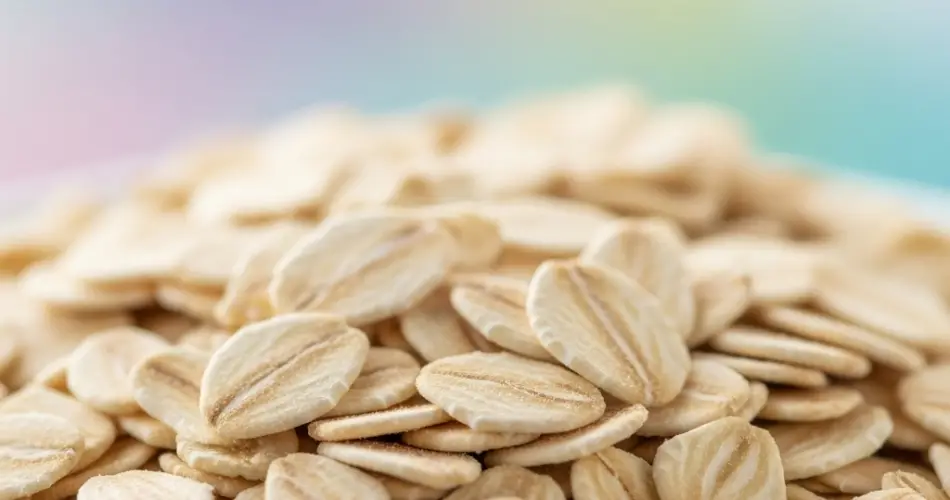
Sometimes, the simplest things in your pantry can become powerful tools in the garden. One such underrated ingredient is raw oats—an everyday breakfast staple that can work wonders when used properly in soil. This affordable, natural material can help nourish plants, improve soil structure, and even protect against some common garden problems.
Whether you’re gardening on a balcony, in containers, or in a backyard vegetable patch, this technique is easy to implement and beneficial for most types of plants. In this article, you’ll learn why burying raw oats is such a clever trick and how to use it correctly in your home garden.
Why Use Raw Oats in Your Garden?
Raw oats (uncooked rolled or old-fashioned oats) are a rich source of organic matter. When buried in soil, they break down and feed beneficial microbes, improve soil texture, and release essential nutrients that plants need to thrive.
Here are the key benefits:
-
Source of slow-release nutrients: Oats contain nitrogen, phosphorus, potassium, and trace minerals that slowly enrich the soil as they decompose.
-
Boosts microbial activity: As oats break down, they serve as food for beneficial bacteria and fungi that create a healthy, living soil ecosystem.
-
Improves moisture retention: Organic matter helps soil hold water longer, making it especially useful in hot or dry climates.
-
Reduces soil compaction: Oats contribute to a looser, more aerated soil structure, promoting stronger root development.
How to Use Raw Oats in Your Plants
There are a few simple methods to use raw oats effectively, depending on whether you’re planting seeds, transplanting, or feeding established plants.
1. When Planting Seeds or Seedlings
-
Dig a small hole for your seed or seedling.
-
Add 1 to 2 tablespoons of raw oats at the bottom.
-
Cover the oats lightly with soil before placing the seed or transplant on top.
-
Water thoroughly after planting.
This method helps seedlings establish quickly by providing a slow nutrient release right at the root zone.
2. For Existing Plants
-
Sprinkle a tablespoon of raw oats around the base of the plant, avoiding direct contact with the stem.
-
Lightly mix the oats into the top layer of soil using your fingers or a small trowel.
-
Water afterward to start the decomposition process.
Do this once a month during the growing season for best results.
3. As a Soil Amendment
-
Mix oats into potting soil or garden beds before planting. Use about ½ cup per square foot of soil.
-
Blend thoroughly and water well. This method is great for raised beds or containers.
Which Plants Benefit Most?
Most plants can benefit from the organic matter and nutrients released by oats. Here are a few that particularly thrive:
-
Vegetables: tomatoes, peppers, beans, lettuce, spinach
-
Flowers: zinnias, petunias, marigolds, daisies
-
Herbs: basil, mint, parsley, oregano
-
Fruit-bearing plants: strawberries, citrus trees, blueberries
Avoid using raw oats near succulents or cacti, which prefer drier, leaner soil conditions.
Things to Keep in Mind
While raw oats are highly beneficial, here are some important tips to ensure you get the most out of this method:
-
Do not overuse. A small amount is enough. Excess oats can attract mold or fungus if the soil stays too wet.
-
Avoid cooked oats. Cooked oatmeal is sticky and dense, and may clog soil pores or attract pests.
-
Water wisely. After adding oats, maintain balanced moisture—not too wet or dry—to promote proper breakdown.
-
Use whole or rolled oats. Instant oats break down too quickly and may not provide the same lasting benefits.
Complementary Practices
Using raw oats in combination with other organic materials can further enhance your soil’s health:
-
Add crushed eggshells for extra calcium.
-
Use coffee grounds for a nitrogen boost.
-
Incorporate compost or worm castings to support microbial life.
You can even use oats to kick-start compost piles. They break down quickly and feed the microbes that decompose other materials, speeding up the composting process.
Final Thoughts
Urban gardeners are always on the lookout for easy, low-cost ways to improve soil and plant health. Burying raw oats may sound too simple to be effective, but it truly works. Just a tablespoon under or around your plants can improve their growth, resilience, and bloom potential.
This method fits beautifully into organic and sustainable gardening practices. No synthetic fertilizers, no harmful chemicals—just pure, natural nourishment straight from your kitchen.
Try it in your garden and watch your plants respond with greener leaves, more blooms, and stronger roots. Sometimes, the most powerful solutions are right under our noses—and in this case, at the bottom of a breakfast bowl.


