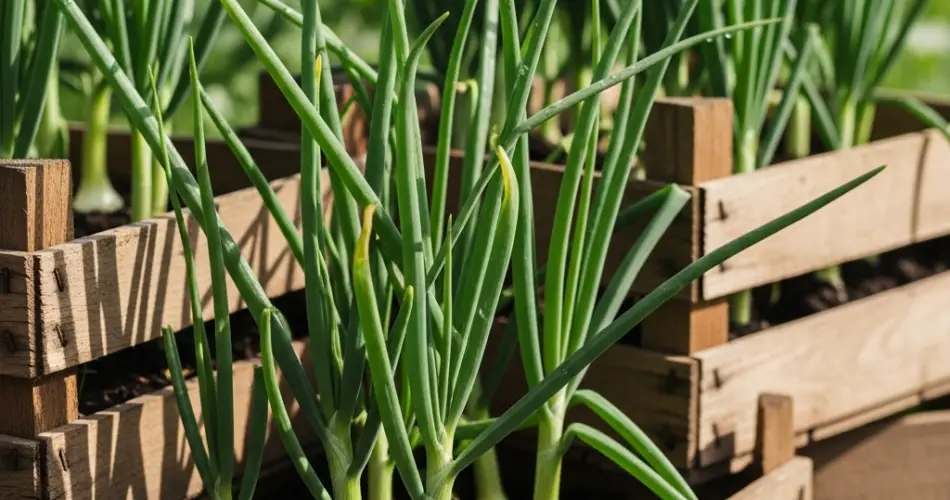
Growing onions in wooden crates is an excellent way to enjoy fresh, homegrown flavor—even in small urban spaces. These kitchen staples are not only easy to grow but also thrive in shallow containers, making them a perfect candidate for box or crate gardening. Whether you’re working with a tiny balcony, patio, or a compact backyard, onions can be your go-to crop for continuous flavor throughout the season.
By repurposing wooden crates or boxes, you can cultivate onions efficiently, maximize vertical growing space, and even turn a bland corner into a lush, edible garden. Let’s explore how to get started with onion crate gardening, from choosing the right materials to harvesting bulb after bulb.
Why Grow Onions in Crates?
Onions don’t need deep soil to develop properly, which makes them ideal for growing in wooden boxes. Their root systems are relatively shallow, meaning you can plant many in a single crate without sacrificing growth. This method allows for excellent control over soil quality, moisture, and sunlight exposure.
Crate gardening also makes harvesting, weeding, and pest management much easier. The height of a crate brings the planting surface closer to eye level and can be moved to optimize growing conditions throughout the day.
Choosing the Right Box or Crate
Look for a wooden crate that is at least 6–8 inches deep. Since onions don’t require deep soil, this shallow depth is sufficient. However, they do need space to spread sideways, so choose a crate wide enough to accommodate several rows.
Make sure the crate has good drainage. If it doesn’t already have holes at the bottom, drill some to allow excess water to escape. You can line the crate with landscape fabric or breathable burlap to retain soil while maintaining drainage.
To prolong the crate’s lifespan, consider raising it off the ground slightly using bricks, wood blocks, or attaching wheels.
Preparing the Soil
Onions grow best in loose, fertile, well-draining soil. A good growing medium should be rich in organic matter and allow for easy root development.
Create your mix using:
-
2 parts quality potting soil
-
1 part compost or aged manure
-
1 part coarse sand or perlite for drainage
Mix in a balanced organic fertilizer before planting, especially one that is rich in phosphorus and potassium. Avoid too much nitrogen, which promotes leaf growth at the expense of bulb development.
Choosing Onion Types
There are three main ways to grow onions:
-
Seeds: Start early indoors and transplant once strong enough.
-
Sets: Small immature onion bulbs, great for beginners.
-
Transplants: Young onion plants sold in bundles, ready for direct planting.
Sets and transplants are usually the easiest for crate gardening because they establish quickly and are more resistant to temperature fluctuations.
Choose a variety based on your region’s daylight length: short-day onions for southern areas, long-day onions for northern climates, and intermediate-day for zones in between.
Planting the Onions
Space onion sets or transplants 3–4 inches apart in rows, with about 6 inches between rows. Push each set about 1 inch deep into the soil, pointy side up.
Water thoroughly after planting to help settle the soil around the roots. Onions prefer consistent moisture, especially during bulb formation, but avoid overwatering as this can lead to rot.
Care and Maintenance
-
Watering: Keep the soil evenly moist but not soggy. Check the moisture regularly—crates dry out faster than garden beds.
-
Feeding: Apply a nitrogen-rich fertilizer every few weeks during the growing phase, but reduce it as the bulbs begin to swell.
-
Weeding: Remove weeds regularly to reduce competition for nutrients and water.
-
Mulching: A light layer of straw or grass clippings helps retain soil moisture and suppress weed growth.
As the plants grow, you may notice the bulbs beginning to push above the soil. This is normal and doesn’t require additional covering.
Pest and Disease Management
Watch for common pests like onion maggots, thrips, and aphids. Neem oil or insecticidal soap can help manage minor infestations.
Ensure good air circulation around the crate and avoid overhead watering to reduce the risk of fungal diseases such as downy mildew or rot.
Harvesting and Storage
Onions are ready for harvest when the green tops begin to yellow and fall over naturally. Stop watering at this point and allow the bulbs to dry out in the soil for a few days.
Pull the onions out gently and allow them to cure in a warm, dry, and ventilated space for 1–2 weeks. Once the skins are papery and the necks are fully dry, trim the tops and roots.
Store the cured onions in a mesh bag, crate, or basket in a cool, dry location with good airflow. Properly cured onions can last for several months.
Conclusion
Growing onions in wooden boxes or crates is a smart, sustainable way to add a burst of fresh flavor to your home cooking. With minimal space and effort, you can enjoy the satisfaction of harvesting your own aromatic, nutritious onions right from your backyard or balcony. Whether you’re just starting out in urban gardening or expanding your edible garden collection, onions are an easy, rewarding choice for your crate garden.


