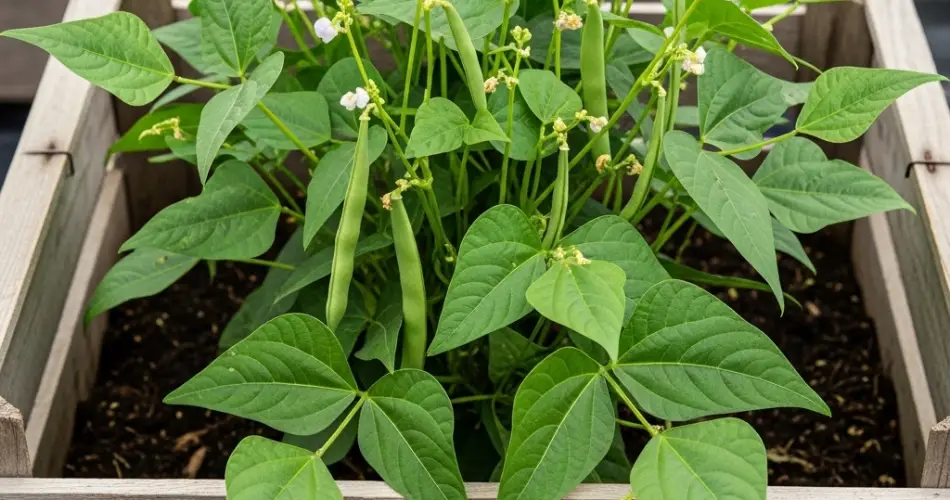
Green beans are one of the easiest and most satisfying vegetables to grow at home. Whether you prefer bush beans or climbing pole beans, they adapt well to containers, making them perfect for backyard DIY gardening—even without a traditional garden bed. One of the most convenient and accessible ways to grow green beans is in boxes or wooden crates.
With a few basic materials and a sunny corner of your yard, patio, or balcony, you can set up a productive green bean box garden that yields fresh pods all season long. Here’s how to do it right.
Why Grow Green Beans in Boxes?
Growing green beans in boxes comes with many advantages, especially for home gardeners working with limited space:
-
Efficient use of space: Perfect for small yards, patios, or balconies.
-
Better drainage: Containers like wooden boxes prevent waterlogging.
-
Portability: You can move your boxes to take advantage of the sun or avoid harsh weather.
-
Controlled soil conditions: You manage the soil quality, pH, and fertility.
-
Vertical options: Pole beans can climb a trellis or stake, saving horizontal space.
Best of all, green beans grow quickly, and you’ll often start harvesting within two months of planting.
Choosing the Right Box or Container
Start by selecting a sturdy wooden box or crate:
-
Minimum 10–12 inches deep
-
At least 18 inches wide (for multiple plants)
-
Made from untreated wood to avoid chemicals leaching into the soil
Ensure proper drainage by:
-
Drilling holes in the bottom of the box
-
Lining the interior with landscape fabric or burlap to hold the soil in
-
Elevating the box slightly on bricks or wooden slats to allow air and water flow underneath
Place your box where it receives at least 6–8 hours of direct sunlight daily—green beans love warmth and light.
Preparing the Soil
Green beans thrive in loose, well-draining soil that’s rich in organic matter. To prepare the ideal growing medium:
-
Mix 2 parts quality potting soil with 1 part compost
-
Add a small amount of perlite or coarse sand for drainage
-
Ensure the pH is neutral (around 6.0 to 7.0)
Before planting, water the soil lightly and make sure it’s moist, not soggy.
Choosing Between Bush Beans and Pole Beans
There are two main types of green beans:
-
Bush beans:
-
Compact and self-supporting
-
Mature in 50–60 days
-
Ideal for shorter containers
-
-
Pole beans:
-
Require a trellis or stake
-
Continue producing for a longer season
-
Best for maximizing vertical space
-
Choose one depending on your available space and how you plan to manage your harvests.
Planting Your Green Beans
To plant from seed (the most common method):
-
Sow seeds about 1 inch deep
-
For bush beans: Space seeds 3–4 inches apart in rows
-
For pole beans: Plant in a circle around a central stake or trellis, about 4 inches apart
Water gently after planting and keep the soil moist until germination, which typically takes 7–10 days.
Avoid planting green beans too early in spring—wait until the soil has warmed to at least 60°F (15°C) to ensure good germination and strong growth.
Watering and Fertilizing
Green beans prefer consistent moisture, especially while flowers are forming. Tips for success:
-
Water deeply when the top inch of soil is dry
-
Avoid overhead watering to reduce the risk of disease
-
Mulch the soil surface to conserve moisture and suppress weeds
Green beans don’t require heavy feeding. Too much nitrogen can lead to lush leaves with few beans. Add compost at planting and apply a diluted, balanced liquid fertilizer every 3–4 weeks if needed.
Supporting Your Plants
If you’re growing pole beans, be sure to install a support system early:
-
Use bamboo poles, wooden stakes, or a wire trellis
-
Secure climbing vines with soft ties as they grow
Bush beans may not need support but benefit from being spaced out to allow good airflow.
Common Pests and Problems
Watch for common issues like:
-
Aphids: Can be removed with a gentle spray of soapy water
-
Spider mites and beetles: Inspect leaves regularly
-
Powdery mildew: Avoid overhead watering and improve airflow
Rotate your crops yearly to prevent soil-borne diseases and avoid planting beans in the same container season after season.
Harvesting Green Beans
Green beans are typically ready for harvest 50–70 days after planting, depending on the variety.
-
Pick beans when they are firm, crisp, and about 4–6 inches long
-
Harvest regularly to encourage more pod production
-
Use scissors or pinch off beans gently to avoid damaging the plant
Frequent picking ensures the plant keeps producing for weeks.
After the Season
When the plants stop producing:
-
Remove and compost them
-
Rejuvenate the soil by mixing in fresh compost
-
Reuse the box for cool-season crops like lettuce or radishes
With minimal maintenance, your box can be used year-round for a variety of vegetables.
Final Thoughts
A green bean box garden is a simple and productive way to grow fresh food at home—even in small or unconventional spaces. With just a wooden box, good soil, and a bit of sunshine, you’ll be rewarded with crisp, flavorful beans that are perfect for stir-fries, salads, or steaming fresh off the vine.
Whether you’re a first-time gardener or a seasoned grower looking for a new approach, crate gardening brings satisfaction, sustainability, and harvests you can enjoy all season long.


