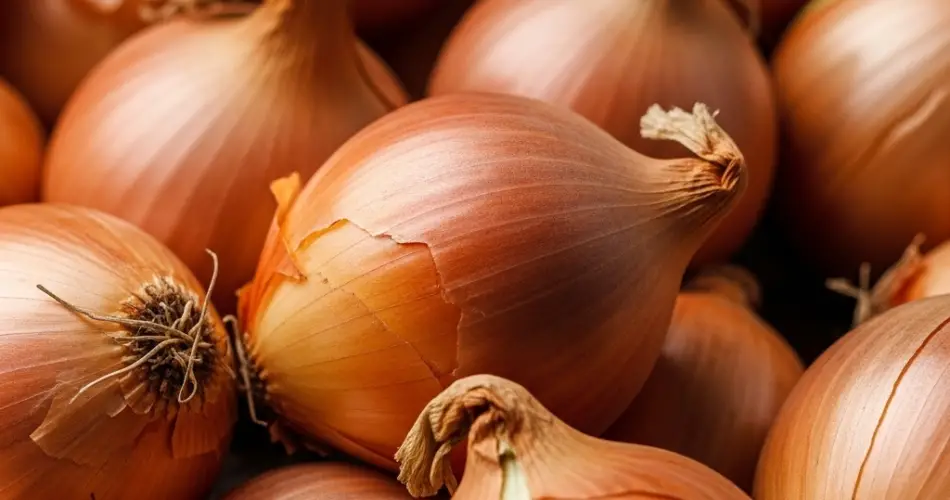
Onions are a staple in many home gardens. They’re easy to grow, help deter pests, and don’t require much space. But if you really want to get the most out of your onion patch, knowing what to plant nearby—and what to avoid—can make a big difference. Companion planting is the practice of placing certain crops together to enhance growth, flavor, and pest resistance. When done right, companion planting can reduce the need for pesticides and increase your overall harvest.
Here’s a guide to the best and worst companion plants for onions, so you can keep your garden healthy, balanced, and productive.
Why Companion Planting with Onions Works
Onions are natural pest repellents thanks to their strong aroma and sulfur compounds. They deter many common garden pests, including aphids, carrot flies, and cabbage loopers. When paired with the right companions, onions can protect vulnerable crops and, in turn, benefit from shared nutrients and improved soil conditions.
However, not every plant gets along with onions. Some crops may suffer from reduced growth or compete with onions for vital resources.
Best Companion Plants for Onions
1. Carrots
Carrots and onions are a classic pairing. Onions repel carrot flies, while carrots help discourage onion flies. This mutual protection helps both crops thrive without synthetic pest control.
2. Beets
Beets and onions grow well together without competing for space. Beets have deeper roots, while onions grow closer to the soil surface. They also enjoy similar growing conditions.
3. Lettuce
Lettuce is a shallow-rooted, fast-growing crop that pairs well with onions. It takes up little space and benefits from the pest-repelling properties of onions. Lettuce also helps shade the soil, reducing weed growth.
4. Strawberries
Though not a common pairing, onions help deter pests that commonly attack strawberries. Planting onions nearby can improve your berry crop’s chances of staying healthy.
5. Cabbage Family (Brassicas)
Members of the cabbage family—such as cabbage, broccoli, kale, and Brussels sprouts—benefit greatly from onions. Onions deter cabbage worms and loopers that commonly attack brassicas. The sulfur in onions may also help prevent fungal diseases.
6. Tomatoes
Tomatoes and onions can be good neighbors. Onions help deter red spider mites and aphids, common tomato pests. Just be sure to give both plants enough space to prevent crowding.
7. Swiss Chard and Spinach
These leafy greens grow quickly and benefit from being near onions. They enjoy similar growing conditions and don’t compete for nutrients.
Herbs That Grow Well with Onions
-
Chamomile enhances onion flavor and attracts beneficial insects.
-
Dill and parsley can attract pollinators and predatory insects that keep pests under control.
-
Summer savory helps deter pests and supports healthy onion growth.
Plants to Avoid Near Onions
Not all plants are compatible with onions. Some can stunt their growth or become more susceptible to disease when planted too close.
1. Peas
Legumes like peas and onions do not get along. Onions can inhibit the growth of peas by affecting the bacteria that fix nitrogen in the soil—an essential process for legumes.
2. Beans
Like peas, beans are legumes and should be kept away from onions. They require different soil conditions and can suffer reduced yields when grown too close.
3. Sage and Asparagus
Sage can inhibit onion growth, while asparagus has different watering and spacing needs. Both are better off planted in a separate part of the garden.
4. Garlic and Leeks
Though they belong to the same allium family, planting onions with other alliums like garlic, leeks, or shallots can lead to nutrient competition and make them more susceptible to the same pests and diseases.
Tips for Successful Onion Companion Planting
-
Space appropriately: Onions don’t like being crowded. Keep enough distance between plants to ensure air circulation and reduce disease risk.
-
Rotate crops: Avoid planting onions in the same spot every year to prevent soil-borne diseases.
-
Water wisely: Onions prefer consistent, moderate watering. Be cautious when planting them with crops that need heavy irrigation.
-
Use mulch: Mulching helps retain moisture, suppress weeds, and regulate soil temperature—beneficial for onions and their companions.
Final Thoughts
Onions are excellent companions in the garden thanks to their pest-deterring properties and easygoing nature. Pairing them with crops like carrots, lettuce, and tomatoes can help protect more vulnerable plants while making the most of your space. However, it’s just as important to avoid poor companions like beans, peas, and other alliums to prevent competition and stunted growth.
By understanding onion companion planting, you can create a more productive, harmonious garden that supports healthier plants and better harvests—all without relying on chemicals or complicated techniques.


