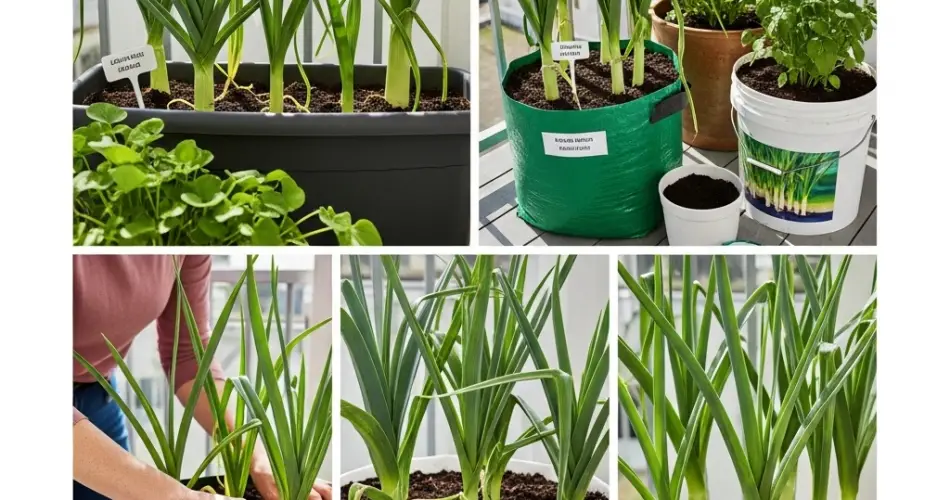
Leeks are an excellent vegetable to grow in containers, especially if you have limited garden space. With their mild onion flavor and versatility in the kitchen, leeks are a rewarding crop for home gardeners. Whether you’re growing them on a balcony, patio, or small backyard, this guide will show you how to successfully cultivate leeks in containers from start to finish.
Choosing the Right Container
The first step is selecting a suitable container. Leeks develop long, thick stems, so they require deep containers to support their growth. Choose a container that’s at least 12 inches deep and 10-12 inches in diameter. If you want to grow multiple leeks in one container, opt for larger troughs or tubs, spacing each plant 3 to 4 inches apart.
Make sure the container has adequate drainage holes to prevent water from pooling at the bottom. Sitting water can cause root rot, which is detrimental to leek development.
The Best Soil Mix for Leeks
Leeks grow best in rich, well-draining soil. A good potting mix for leeks should include:
-
Two parts compost or aged manure
-
One part garden soil
-
One part perlite or sand for drainage
Mix the components thoroughly and fill your container almost to the top. Leeks prefer slightly alkaline soil (pH 6.5 to 7), so adding a bit of lime if your soil is too acidic can improve results.
Starting Leek Seeds Indoors
Leeks are typically grown from seed, and starting them indoors gives them a strong head start. Sow leek seeds in seed trays or small pots 8–10 weeks before your last expected frost. Plant seeds about ¼ inch deep in moist seed-starting mix. Keep them in a bright, warm spot (around 70°F/21°C) and ensure the soil stays evenly moist.
Once the seedlings are about 6 inches tall and roughly the thickness of a pencil, they’re ready to be transplanted into your container.
Transplanting Leek Seedlings
Before transplanting, trim the tops of the seedlings to 4–5 inches to encourage stronger root growth. In your container, use a dibber or stick to make holes about 4 inches deep and 3–4 inches apart. Place each seedling into the hole and gently fill around it with soil, leaving just the top leaves exposed.
Water well after transplanting to help settle the soil around the roots.
Watering and Fertilizing
Leeks require consistent moisture to thrive. Water the container when the top inch of soil feels dry, aiming for deep, thorough watering rather than frequent shallow watering. During hot or windy weather, you may need to water more frequently.
To keep leeks growing steadily, feed them with a balanced liquid fertilizer every two weeks or add compost tea to the soil. You can also mulch around the plants to retain moisture and keep the soil temperature stable.
Blanching for Tender Stems
One of the secrets to sweet, tender leeks is blanching – covering the lower part of the stem so it grows white and soft. As your leeks grow taller, gradually hill up soil or compost around the base of each plant. In containers, you can also use toilet paper rolls or pieces of cardboard to wrap around the stems to block sunlight.
Start blanching when the leeks are about 10 inches tall and repeat every couple of weeks as they continue to grow.
Dealing with Pests and Diseases
While leeks are generally hardy, they can attract pests like onion flies, thrips, or aphids. Check the leaves regularly and remove any pests by hand or spray them off with a stream of water. Use insecticidal soap if necessary.
Avoid overwatering to prevent fungal diseases, and ensure your container has proper drainage. Good airflow between plants also helps minimize disease risk.
Harvesting Leeks
Leeks are ready to harvest when they are about 1 inch thick or larger, depending on your preference. Use a hand trowel or small garden fork to loosen the soil around the plant and gently lift it from the container.
You can harvest young, tender leeks early or allow them to mature for a more robust flavor. Once harvested, trim the roots and dark green tops, and rinse off any soil.
Final Tips
-
Rotate containers if you’re growing multiple crops to prevent nutrient depletion.
-
Avoid growing leeks in the same soil used for onions, garlic, or other alliums to reduce disease risks.
-
Don’t overcrowd – proper spacing encourages strong, healthy growth.
With the right setup and care, growing leeks in containers is a simple and satisfying way to add a gourmet vegetable to your kitchen garden. Whether you’re an urban gardener or just short on space, container-grown leeks can thrive with just a little attention and care.


