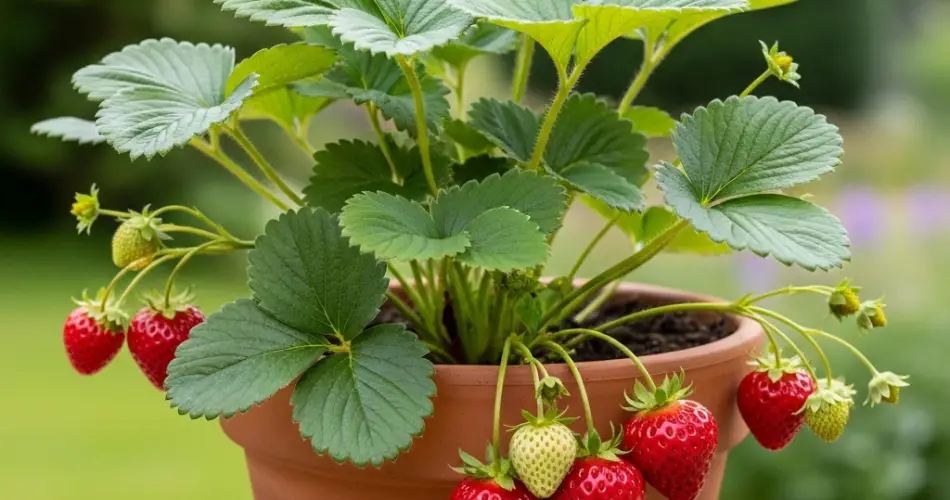
Dreaming of harvesting sweet, juicy strawberries but don’t have a garden? No problem. Strawberries are one of the best fruits for container gardening, making them ideal for balconies, patios, rooftops, or even sunny windowsills. With just a pot, some soil, and sunlight, you can enjoy homegrown strawberries in even the smallest space.
This guide will show you how to successfully grow strawberries in a pot—from choosing the right variety to caring for your plants and harvesting delicious berries.
Why Grow Strawberries in Pots?
Strawberries are compact, shallow-rooted plants that thrive in containers. Growing them in pots gives you full control over the soil quality, placement, and maintenance. Plus, container gardening helps reduce pest issues and allows you to move your plants easily to chase the sun.
Benefits of growing strawberries in containers:
-
Perfect for small spaces and urban settings
-
Easier to manage and harvest
-
Reduces the risk of soil-borne diseases
-
Ideal for beginners
-
Decorative as well as productive
With the right care, potted strawberries can be just as fruitful as those grown in the ground.
Best Strawberry Varieties for Containers
When growing in pots, it’s best to choose strawberry types that are productive and compact. There are three main types of strawberries:
-
June-bearing – Produce one large harvest in late spring to early summer.
-
Everbearing – Produce two to three harvests per year (spring and late summer).
-
Day-neutral – Produce smaller amounts of fruit continuously through the season.
Top varieties for containers:
-
Albion (day-neutral): Sweet, firm berries and high yield
-
Seascape (day-neutral): Tolerates heat and performs well in containers
-
Quinault (everbearing): Soft, flavorful berries on compact plants
-
Mara des Bois (day-neutral): Small, fragrant berries with a wild strawberry taste
-
Ozark Beauty (everbearing): Hardy and adaptable
What You’ll Need
To start your strawberry container garden, gather these basic supplies:
-
Healthy strawberry plants (crowns or seedlings)
-
A pot at least 10–12 inches deep with drainage holes
-
High-quality potting mix with compost
-
Organic fertilizer
-
Mulch (optional)
-
A sunny spot (6–8 hours of sunlight daily)
-
Watering can or spray bottle
You can also get creative and use hanging baskets, vertical planters, or recycled containers like plastic buckets—just ensure they have proper drainage.
Preparing the Pot
-
Choose the Right Container
Each plant needs space to spread, so select a pot that is wide enough to hold 1–3 plants, depending on its size. Ensure it has adequate drainage holes to prevent root rot. -
Fill with Soil
Use a loose, well-draining mix—combine potting soil with compost or well-rotted manure. Avoid dense garden soil, which can compact and restrict root growth in containers. -
Moisten the Soil
Lightly water the soil before planting so it’s damp but not soggy.
Planting Strawberries
-
Planting Depth
Set the plant so that the crown (where leaves meet roots) is just above the soil surface. If planted too deep, the crown can rot; too shallow, and roots may dry out. -
Spacing
If planting multiple strawberries in one container, space them 8 inches apart to give them room to grow and produce runners. -
Water Thoroughly
After planting, give your strawberries a deep drink to help them settle in.
Light and Location
Strawberries need full sun—6 to 8 hours of direct sunlight per day. Place pots in a sunny spot, such as a south-facing balcony or windowsill. If growing indoors or in low-light areas, consider supplementing with a grow light.
Care and Maintenance
-
Watering: Keep the soil consistently moist but not soggy. Container soil dries out faster, especially in warm weather, so check daily.
-
Feeding: Apply a balanced organic fertilizer every 2–3 weeks to encourage healthy growth and fruiting.
-
Mulching: Add a thin layer of straw or dried leaves on top of the soil to retain moisture and keep berries clean.
-
Removing Runners: Pinch off runners (long stems that spread outward) unless you plan to propagate new plants.
Pest and Disease Tips
While container strawberries face fewer problems than ground-grown plants, keep an eye out for:
-
Aphids: Small insects on leaves—treat with neem oil or soapy water
-
Slugs: Use crushed eggshells around the plant base or move the container to a dry, elevated spot
-
Fungal diseases: Avoid overhead watering and ensure good air circulation
Keeping foliage dry and checking plants regularly helps prevent most issues.
Harvesting Strawberries
Strawberries are ready to pick when they’re fully red, glossy, and fragrant. Check your plants daily during peak production, and harvest ripe berries by gently twisting them from the stem.
Picking frequently encourages more blooms and fruits. For the best flavor, eat your strawberries right after harvest or store them in the fridge for up to 2–3 days.
After the Season
At the end of the growing season, trim back old leaves and remove dead plants. If you plan to grow strawberries again next season, refresh the soil by adding compost and replant healthy crowns.
In cooler climates, protect your pots from frost by moving them indoors or wrapping them in insulating material during the winter.
Final Thoughts
No garden? No worries. With just a pot, a bit of soil, and some sunshine, you can grow a productive strawberry plant in almost any small space. Whether you’re on a balcony in the city or a sunny corner indoors, container-grown strawberries are a simple and satisfying way to bring fresh fruit into your life.
Start with one pot, and you might soon find yourself growing a whole row of sweet, homegrown strawberries—no yard required.


