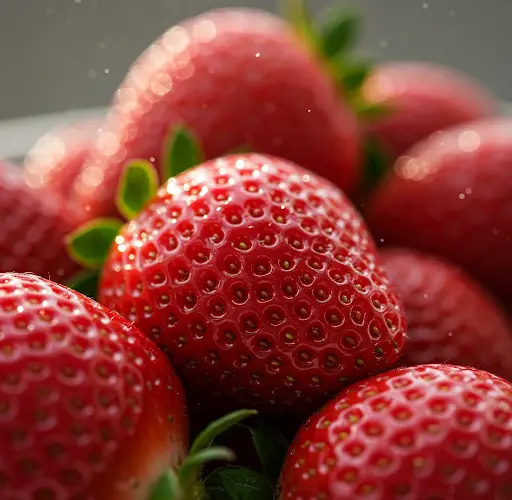
No Garden? No Problem! Growing Strawberries in Plastic Bags – The Unexpected Results
Strawberries are one of the most popular and rewarding fruits to grow at home. However, not everyone has the luxury of a garden or large outdoor space. This has led many gardeners to explore innovative methods, such as growing strawberries in plastic bags. The idea sounds promising—minimal space, easy maintenance, and mobility—but the results may not always turn out as expected. In this article, we’ll explore the process, benefits, challenges, and the unexpected outcomes of growing strawberries in plastic bags.
Why Grow Strawberries in Plastic Bags?
Growing strawberries in plastic bags is an attractive option for several reasons:
- Space-saving: Perfect for small balconies, patios, or even indoors.
- Better soil control: Allows you to use high-quality soil without worrying about poor ground conditions.
- Pest reduction: Minimizes exposure to soil-borne diseases and garden pests.
- Mobility: Easily move plants to optimize sunlight exposure.
- Water efficiency: Helps retain moisture and reduce water waste.
Despite these potential benefits, growing strawberries in plastic bags comes with its own set of challenges, which can lead to unexpected results.
How to Grow Strawberries in Plastic Bags
1. Choosing the Right Strawberry Varieties
Not all strawberry plants thrive in confined spaces. The best choices for bag cultivation include:
- Day-neutral strawberries: Such as ‘Albion’ or ‘Seascape,’ which produce fruit continuously throughout the season.
- Everbearing strawberries: Such as ‘Ozark Beauty’ or ‘Quinault,’ which yield two or three main harvests per year.
- Compact varieties: Look for smaller, more adaptable varieties like ‘Toscana’ that are suited for container growing.
2. Selecting the Right Plastic Bags
- Use sturdy, food-grade plastic bags (5-10 gallons) with good thickness to prevent tearing.
- Ensure the bags have drainage holes to prevent waterlogging and root rot.
- White or light-colored bags work best, as they reflect heat and prevent excessive root temperatures.
3. Preparing the Soil Mix
- Use a well-draining, nutrient-rich potting mix with compost, perlite, and coco coir.
- Avoid using heavy garden soil, which can compact and restrict root growth.
- Maintain a slightly acidic pH (5.5-6.5) for optimal strawberry growth.
4. Planting the Strawberries
- Fill the plastic bags two-thirds full with soil and slightly compact it.
- Make small slits in the sides of the bag to insert strawberry plants, ensuring they have enough space (about 8 inches apart).
- Leave the crown (center growth point) above soil level to prevent rot.
- Water thoroughly after planting.
5. Providing Proper Care
Light Requirements
- Place the bags where they receive at least 6-8 hours of sunlight daily.
- If growing indoors, supplement with grow lights to ensure proper fruiting.
Watering and Moisture Management
- Strawberries need consistent moisture, but avoid overwatering.
- Water when the top inch of soil feels dry.
- Be mindful of heat—plastic bags retain moisture but can also cause overheating in hot climates.
Fertilization
- Use a balanced fertilizer (10-10-10) every 2-3 weeks.
- Supplement with compost tea or diluted fish emulsion for organic nutrition.
- Avoid excessive nitrogen, which encourages leaves over fruit production.
The Unexpected Results
While the concept of growing strawberries in plastic bags is appealing, real-life experiences often bring some surprising outcomes:
1. Mixed Growth Success
Many gardeners report that their strawberries grew well initially, but some experienced uneven fruit production. While some plants thrived, others remained stunted despite identical care conditions.
2. Overheating Issues
Plastic bags can trap heat, especially in hot climates, leading to root stress and moisture loss. Some growers found that strawberries in dark-colored bags struggled more due to excessive heat absorption.
3. Limited Fruit Production
Unlike traditional garden-grown strawberries, plants in plastic bags sometimes produced smaller or fewer fruits. This was often due to restricted root space and inconsistent nutrient uptake.
4. Drainage and Root Rot Problems
Without proper drainage holes, excess water accumulated at the bottom of the bags, leading to root rot and fungal issues. Some gardeners found it difficult to regulate moisture levels.
5. Pest and Mold Issues
While plastic bags reduce soil pests, they don’t eliminate them entirely. Aphids, spider mites, and fungal mold were common issues, particularly in humid conditions.
Tips for Improving Results
If you still want to try growing strawberries in plastic bags, follow these tips to improve success:
- Choose high-quality, well-aerated soil to promote strong root development.
- Use bags with excellent drainage or elevate them slightly to prevent water pooling.
- Monitor temperature fluctuations and provide shade during extremely hot weather.
- Fertilize appropriately to ensure plants receive all essential nutrients.
- Hand-pollinate flowers if growing indoors or in enclosed spaces to ensure fruit set.
Final Verdict: Is It Worth Growing Strawberries in Plastic Bags?
Growing strawberries in plastic bags is a creative and space-efficient method, but it does come with challenges. While it works well in controlled conditions, it may not always yield the expected results in terms of fruit size and quantity. For best outcomes, it’s essential to carefully manage watering, soil quality, temperature, and pest control.
If you have limited space and want to experiment, plastic bag cultivation can be a fun and rewarding project. However, for more reliable and abundant strawberry harvests, raised beds, vertical planters, or hanging containers may offer better long-term success.
Regardless of the method you choose, with the right care and patience, growing strawberries at home can still be an enjoyable experience. Happy gardening!


