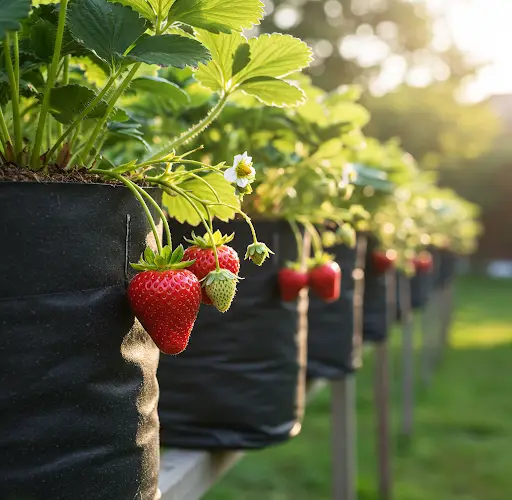
How to Grow Strawberries in Bags for a Large and Sweet Harvest in 120 Days
Growing strawberries in bags is an efficient and space-saving method that allows gardeners to cultivate delicious, large, and sweet strawberries even in small areas. Whether you have a backyard, balcony, or rooftop garden, this method can provide fresh strawberries in as little as 120 days. With proper care, these plants will yield an abundant harvest while minimizing soil-borne diseases. This guide covers everything you need to know to successfully grow strawberries in bags, from selecting the right variety to harvesting the ripe fruit.
Choosing the Right Strawberry Variety
Selecting the right strawberry variety is essential for a successful harvest. Some of the best varieties for growing in bags include:
- June-bearing strawberries – Produce a large crop in late spring or early summer.
- Everbearing strawberries – Provide multiple harvests throughout the growing season.
- Day-neutral strawberries – Continue to produce fruit as long as temperatures remain favorable.
For large and sweet strawberries, varieties like Albion, Chandler, Seascape, and Sweet Charlie are excellent choices.
Selecting the Right Bags for Growing
Strawberries thrive in well-draining and aerated soil, making grow bags an ideal choice. Consider these factors when selecting grow bags:
- Material: Fabric grow bags are preferred because they provide better aeration and prevent root rot.
- Size: A 5 to 10-gallon bag is ideal for multiple strawberry plants.
- Drainage: Ensure the bag has adequate drainage holes to prevent waterlogging.
Preparing the Soil and Planting
Strawberries require nutrient-rich, well-draining soil to thrive. Use a high-quality potting mix with the following composition:
- Coco coir or peat moss for moisture retention
- Perlite or sand for drainage
- Compost or organic matter for essential nutrients
Steps to Planting Strawberries in Bags
- Fill the grow bag with the prepared soil, leaving about 2 inches from the top.
- Make small holes (about 6 inches apart) to place the strawberry plants.
- Position the strawberry crowns just above the soil surface to prevent rot.
- Gently cover the roots and pat the soil to secure the plant.
- Water thoroughly to help the plants settle in.
Providing Optimal Growing Conditions
Strawberries need specific conditions to grow successfully. Here’s how to optimize their environment:
1. Sunlight Requirements
Strawberries require 6-8 hours of direct sunlight daily. If grown indoors, place them near a sunny window or use LED grow lights to supplement natural light.
2. Watering
- Keep the soil evenly moist but avoid waterlogging.
- Water the plants early in the morning to allow excess moisture to evaporate.
- Drip irrigation or a watering can with a fine spout is ideal for maintaining soil moisture.
3. Fertilization
- Use a balanced fertilizer (10-10-10) every 2-3 weeks during the growing phase.
- Once flowering begins, switch to a fertilizer higher in potassium (e.g., 5-10-10) to encourage fruit development.
- Organic options like compost tea, fish emulsion, or banana peel water can provide nutrients naturally.
Pruning and Maintenance
Regular maintenance helps increase strawberry yields and prevents diseases.
- Remove runners (long stems that produce new plants) to direct energy toward fruit production.
- Trim dead or yellowing leaves to improve airflow and reduce disease risk.
- Check for pests like aphids, spider mites, and slugs and use organic pest control methods like neem oil if needed.
Encouraging Pollination
Strawberries are self-pollinating, but hand pollination can improve yields, especially for indoor plants.
- Use a small brush or cotton swab to transfer pollen between flowers.
- Gently shake the plant to distribute pollen naturally.
Managing Pests and Diseases
Growing strawberries in bags reduces soil-borne diseases, but they can still be affected by pests and fungal infections.
- Aphids and whiteflies – Use insecticidal soap or neem oil.
- Powdery mildew – Ensure good airflow and apply a baking soda-water spray.
- Gray mold (Botrytis) – Remove affected fruit immediately and avoid overhead watering.
Harvesting Strawberries
Strawberries are ready for harvest about 120 days after planting, depending on the variety.
- Pick the fruit when fully red for the sweetest flavor.
- Use scissors or pruning shears to cut the strawberries instead of pulling them.
- Harvest in the morning when they are cool for better storage quality.
Storing and Using Your Strawberries
Fresh strawberries can be stored in different ways depending on how soon you plan to consume them:
- Refrigeration – Store unwashed berries in a breathable container for up to 5-7 days.
- Freezing – Wash, dry, and freeze them on a baking sheet before transferring them to an airtight bag.
- Preservation – Make strawberry jam, dehydrated chips, or fruit puree for long-term storage.
Conclusion
Growing strawberries in bags is a simple and effective method for producing large, sweet fruit in just 120 days. By selecting the right variety, maintaining optimal conditions, and following proper care techniques, you can enjoy a continuous harvest of fresh strawberries at home. Whether you’re a beginner or an experienced gardener, this method offers a rewarding way to cultivate your own delicious berries with minimal space requirements.


