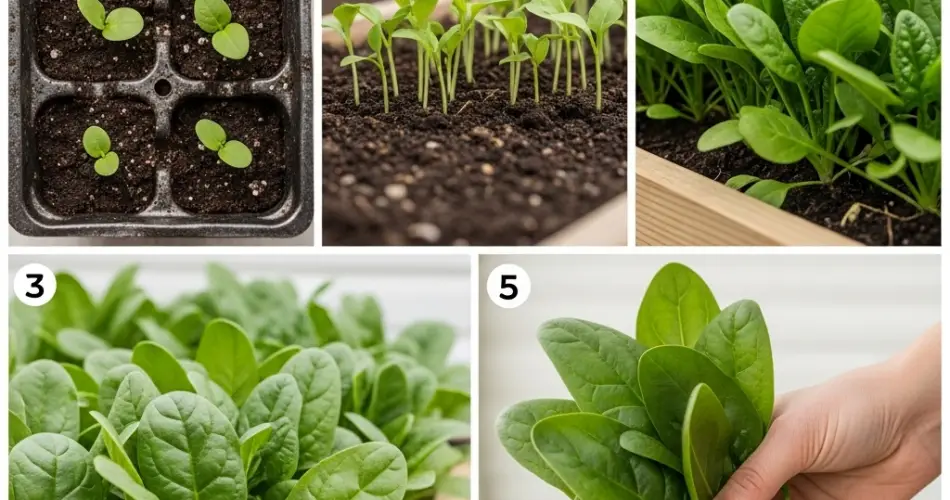
Spinach is a nutritious leafy green that’s easy to grow at home and perfect for gardens of any size—even in pots on a balcony. Growing your own spinach not only ensures a steady supply of fresh, pesticide-free greens, but also saves money over time. Whether you have a garden plot, raised bed, or just containers on a windowsill, cultivating spinach is accessible for everyone.
Here’s a complete step-by-step guide on how to sow, germinate, and grow spinach successfully at home.
Why Grow Spinach at Home?
Spinach is one of the most rewarding vegetables to grow because it:
-
Grows quickly and is ready for harvest in as little as 30–40 days.
-
Can be harvested multiple times from the same plant.
-
Requires minimal space, making it perfect for container gardening.
-
Is packed with iron, vitamins A, C, and K, and other essential nutrients.
By growing it yourself, you also avoid chemical pesticides and can enjoy a fresher, healthier product.
Choosing the Right Spinach Variety
There are several spinach varieties to choose from, depending on your preferences and climate:
-
Savoy spinach: Has crinkled, curly leaves and is very cold-tolerant.
-
Flat-leaf spinach: Smooth leaves that are easy to clean and perfect for cooking.
-
Semi-savoy: A hybrid with mildly crinkled leaves and good disease resistance.
Choose a variety based on your climate and the space you have available.
Materials You’ll Need
-
Spinach seeds
-
Pots, containers, or a garden bed
-
Loose, well-draining soil (rich in compost)
-
Watering can or spray bottle
-
Organic compost or natural fertilizer (optional)
How to Germinate Spinach Seeds
Spinach seeds have a tough outer shell, which can make germination slower. Here’s a trick to speed it up:
-
Soak the seeds: Place them in lukewarm water for 12–24 hours before planting. This softens the shell and accelerates sprouting.
-
Sow shallowly: Plant seeds about 1 to 1.5 cm deep in loose, moist soil.
-
Spacing: Leave 5–10 cm between seeds if growing in rows or pots to allow room for leaves to spread.
-
Light and temperature: Keep the area well-lit, but not in direct sun during germination. Ideal germination temperature is 15–20°C (59–68°F).
-
Moisture: Mist the soil regularly to keep it moist but not soggy. Overwatering can cause seeds to rot.
Germination usually occurs within 5 to 10 days.
Planting and Growing Conditions
Once seedlings emerge and grow a few centimeters tall, you can thin them out if needed, or transplant to a larger space.
-
Sunlight: Spinach thrives in partial shade or full morning sun. In hot climates, afternoon shade helps prevent bolting (premature flowering).
-
Soil: Use a mix rich in organic matter and compost. Good drainage is essential.
-
Watering: Keep the soil consistently moist. Spinach doesn’t tolerate drought well but avoid overwatering.
-
Fertilization: If the soil is poor, add organic compost every 2–3 weeks. Avoid high-nitrogen fertilizers, as too much can cause overly leafy growth with poor taste.
Caring for Your Spinach Plants
-
Mulch: Apply a thin layer of mulch to retain moisture and prevent weeds.
-
Pest control: Common pests include aphids and leaf miners. Use natural repellents like neem oil or garlic spray to deter them.
-
Weeding: Keep the area around your spinach clean to reduce competition for nutrients.
Harvesting Spinach
Spinach is typically ready to harvest within 30–40 days of sowing. You can begin harvesting outer leaves when they are about 7–10 cm long, allowing the center to continue producing.
Use scissors to snip the leaves, being careful not to damage the crown (the central part of the plant). With regular picking, you can harvest for several weeks from the same plant.
When the plant starts to bolt (send up a flower stalk), the leaves may turn bitter. At this point, it’s best to harvest everything or allow it to go to seed and collect seeds for the next planting.
Tips for Year-Round Spinach
-
Succession planting: Sow new seeds every 2–3 weeks to ensure a continuous harvest.
-
Cool weather crop: Spinach grows best in cooler seasons. In hot climates, try growing it in the fall, winter, and early spring.
-
Indoor growing: Spinach can also be grown indoors near a sunny window or under grow lights.
Final Thoughts
Growing spinach at home is easy, sustainable, and incredibly rewarding. With a little preparation and care, you can enjoy fresh, healthy greens year-round without having to buy them from the store again. It’s a great crop for beginner gardeners and those with limited space.
Try sowing a batch this week, and in just a few weeks, you’ll be harvesting your own homegrown spinach — fresh, flavorful, and completely organic.


