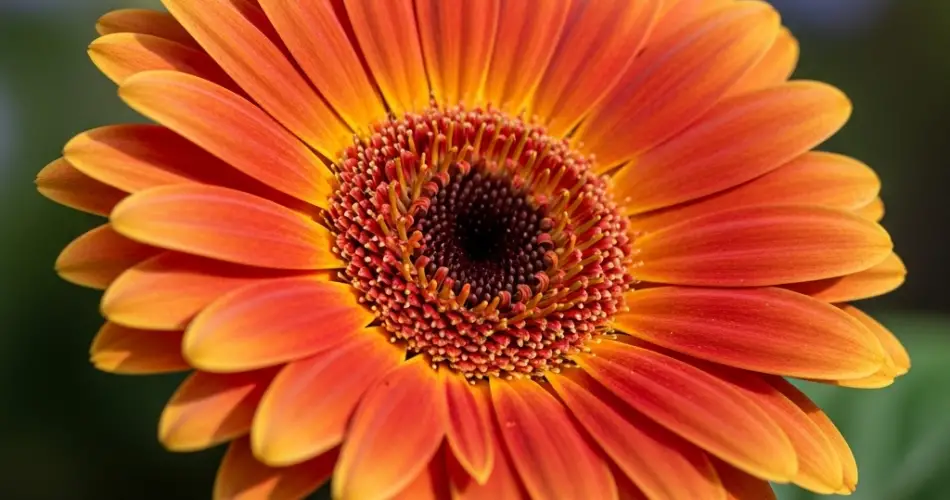
If you’re looking for a plant that adds a splash of vibrant color, purifies the air, and boosts your mood, the Gerbera daisy is an excellent choice. Known for its bright and cheerful flowers, the Gerbera (Gerbera jamesonii) is a popular houseplant that can brighten any room while requiring relatively simple care.
This article will explore why the Gerbera daisy is a fantastic addition to your home, how to care for it properly, and some of the surprising benefits and uses it offers.
Why Choose Gerbera for Your Home?
Gerbera daisies are well-loved for their bold, colorful blooms that come in a variety of shades, including red, pink, yellow, orange, and white. Their lively presence can instantly uplift any space, making them a favorite for home decoration.
But beyond their aesthetic appeal, Gerberas are also recognized for their ability to improve indoor air quality. NASA’s Clean Air Study found that Gerbera daisies are effective at filtering toxins like benzene, formaldehyde, and trichloroethylene from the air, helping to create a healthier living environment.
Additionally, caring for Gerberas can be a rewarding experience that brings a touch of nature indoors and encourages mindfulness through plant care.
How to Care for Gerbera Daisies at Home
Gerberas are moderately easy to grow indoors, but they do require specific conditions to thrive and bloom abundantly. Here are essential care tips:
Light
Gerbera daisies love bright, indirect sunlight. Place them near a window where they can receive at least 4-6 hours of bright, filtered light daily. Avoid harsh direct sunlight, which can scorch their leaves and flowers.
If natural light is limited, consider supplementing with fluorescent grow lights to keep the plant healthy.
Watering
Water your Gerbera thoroughly when the top inch of soil feels dry to the touch. Be careful not to overwater, as Gerberas are susceptible to root rot if left in soggy soil.
Ensure your pot has drainage holes to allow excess water to escape. Avoid wetting the foliage, which can lead to fungal problems.
Soil and Potting
Use a well-draining potting mix rich in organic matter. A mix designed for flowering plants or a blend of peat moss, perlite, and vermiculite works well.
Repot your Gerbera every 1-2 years to refresh the soil and accommodate growth. Choose a pot that is slightly larger than the current one to allow for root expansion.
Temperature and Humidity
Gerberas prefer moderate temperatures between 65°F and 75°F (18°C–24°C). Avoid placing them in drafty areas or near heating or cooling vents.
While they do well in average indoor humidity, misting the leaves occasionally or using a humidity tray can help in drier environments.
Fertilizing
Feed your Gerbera every two weeks during the growing season (spring and summer) with a balanced, water-soluble fertilizer formulated for flowering plants. Reduce feeding in the fall and winter when the plant’s growth slows.
Common Problems and How to Solve Them
-
Yellow Leaves: Usually caused by overwatering or poor drainage. Let the soil dry between waterings and ensure good drainage.
-
Wilting Flowers: Could be due to underwatering or lack of nutrients. Check soil moisture and fertilize regularly.
-
Pests: Watch for aphids, spider mites, and whiteflies. Treat infestations early with insecticidal soap or neem oil.
-
Fungal Diseases: Avoid overhead watering and remove affected leaves promptly.
Benefits and Uses of Gerbera Daisies at Home
-
Air Purification: As mentioned, Gerberas help remove harmful toxins, improving indoor air quality.
-
Mood Enhancer: Bright and colorful flowers can reduce stress and promote positive emotions.
-
Decoration: Their striking blooms add elegance and cheer to living rooms, kitchens, and offices.
-
Gifting: Gerbera daisies are popular gifts for their beauty and symbolism of cheerfulness and purity.
-
Cut Flowers: They last well as cut flowers in vases, bringing a fresh touch to any space.
Additional Tips for Success
-
Remove spent flowers regularly to encourage new blooms.
-
Avoid placing the plant in direct drafts or near appliances that emit heat.
-
Rotate the pot occasionally to ensure even light exposure and balanced growth.
-
Monitor the plant daily for early signs of stress or pests.
Conclusion
The Gerbera daisy is a brilliant choice for anyone looking to brighten their home with beautiful flowers while enjoying the added benefits of cleaner air and improved mood. With straightforward care and attention, this cheerful plant can thrive indoors and provide months of vibrant blooms.
By bringing a Gerbera daisy into your living space, you’re not just adding color—you’re cultivating a little piece of nature that nourishes both your environment and your well-being. Give it the right light, water, and nutrients, and you’ll soon be rewarded with a happy, healthy plant that truly stands out.


